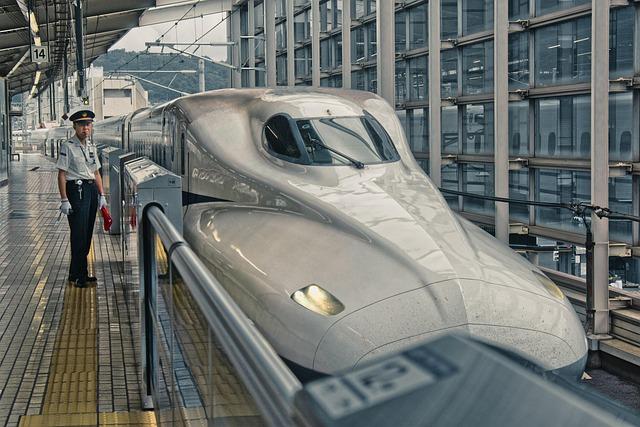
France Needs Better Slow Trains, Not Just Fast Ones
As high-speed rail continues to dominate headlines and reshape travel in France, an overlooked aspect of the nation’s railway system demands urgent attention: the slow train services that are crucial for rural connectivity and regional development. While the TGVs zip between major urban centers, the slower routes that link smaller towns and underserved areas often languish in neglect. This disparity poses significant implications for social equity, economic growth, and environmental sustainability. As policymakers and transport advocates push for advancements in France’s rail infrastructure, the call for a balanced approach—one that values both speed and accessibility—has never been more critical. In examining the current state of France’s train services, we explore why investment in slow trains is essential for a more inclusive transportation future.
The Case for Enhanced Regional Connectivity
As the demand for eco-friendly and accessible transportation grows, regional connectivity emerges as a critical factor in reshaping the French transport landscape. Enhancing local train services can significantly improve daily commutes and provide sustainable alternatives to car use. Investing in slower, more frequent trains not only alleviates congestion on roads but also fosters regional economies by ensuring that smaller towns are linked to larger urban centers. By prioritizing these connections, France can address the socioeconomic disparities that arise when only high-speed services are available.
This vision for improved connectivity hinges on certain key aspects that must be considered in the planning process:
- Frequency: More trips throughout the day ensure that rail travel accommodates varying schedules.
- Affordability: Competitive pricing for regional services makes train travel an attractive option for all income brackets.
- Accessibility: Ensuring that train stations are easily reachable and equipped for all passengers, including those with disabilities.
- Coordination with local transport: Seamless connections to buses and trams can enhance the overall travel experience.
| Aspect | Benefits |
|---|---|
| Regional Train Services | Improved access to jobs and services |
| Intermodal Connections | Streamlined travel across multiple modes |
| Sustainable Transport Options | Reduction in carbon footprint |
Investing in Quality Over Speed
Amid the ongoing debate about France’s transportation infrastructure, the emphasis on high-speed travel often overshadows a crucial component of a resilient rail system: the reliability and frequency of slower trains. Fast trains, while remarkable in catering to long-distance travel, do not adequately address the daily commuting needs of many citizens. A focus on quality rail services that prioritize punctuality, comfort, and accessibility can lead to a more integrated transportation network, benefitting both urban dwellers and rural communities alike. Implementing enhanced slower trains can create a modal shift that fosters economic growth and environmental sustainability.
Investing in slower trains also provides the opportunity to improve overall customer experience. Several key factors should be prioritized in such an initiative:
- Comfort: Enhancing seating and facilities for passengers.
- Frequency: Increasing train schedules to reduce waiting times.
- Connectivity: Providing better links to local transport options.
- Affordability: Ensuring that fares remain accessible for all commuters.
These enhancements can make rail travel a more attractive option compared to driving, ultimately reducing congestion and emissions. In the long term, a diversified approach to rail investment that supports both high-speed and slower train services may lead to a more sustainable future for France’s transportation landscape.
Balancing Urban and Rural Transport Solutions
As France grapples with the future of its transport infrastructure, the focus has heavily leaned towards high-speed rail systems, often neglecting the vital need for slow trains that serve less populated areas. While high-speed services connect urban hubs with incredible efficiency, they risk marginalizing rural communities, isolating them from economic opportunities and essential services. A balanced approach to rail transport must include investments in regional networks that provide reliable and affordable connectivity, ensuring that even those in more remote areas can access jobs, education, and healthcare.
In addition to enhancing direct train services, flexibility and multi-modal integration are crucial. Implementing shuttle buses, improving local public transportation links, and fostering partnerships with rideshare services can create a well-rounded transport ecosystem. Furthermore, the environmental gains from reducing car dependency cannot be understated. The benefits of increased local train services include:
- Reduced Traffic Congestion: Less reliance on cars leads to fewer vehicles on the road.
- Lower Carbon Footprint: Trains are generally more eco-friendly than cars.
- Economic Revitalization: Improved access can stimulate local businesses.
| Transport Mode | Speed (km/h) | Target Area |
|---|---|---|
| High-Speed Train | 300+ | Urban Centers |
| Regional Train | 80-160 | Suburban and Rural |
| Shuttle Bus | 40-60 | Local Neighborhoods |
Lessons from Successful Slow Train Models
Analyzing successful slow train models from various countries highlights key principles that could be applied to enhance France’s rail system. One crucial element is the emphasis on frequency of service. For example, countries like Japan and Switzerland have mastered the art of running trains at regular intervals, ensuring that passengers have more options when planning their journeys. This not only reduces wait times but also encourages greater utilization of rail services, a stark contrast to the infrequent services that often plague rural areas in France.
Moreover, the integration of local transport links with slow trains creates a seamless travel experience, as seen in places like Germany. By coordinating schedules with buses and trams, these systems help remove barriers between different modes of transport, making it more convenient for passengers to transition from one form to another. Additionally, investing in comfort and amenities within slow trains—such as Wi-Fi, catering services, and spacious seating—can significantly enhance user experience, promoting rail travel as a favorable alternative to cars and planes.
Final Thoughts
In conclusion, while France continues to invest in high-speed rail to connect major cities and enhance economic efficiency, the call for an improvement in slow train services underscores a significant oversight in the nation’s transportation policy. Balancing rapid transit with reliable, comprehensive regional services is crucial for fostering equitable access to rail travel, invigorating local economies, and promoting sustainable mobility. As the country moves forward, prioritizing robust slow train networks may ultimately prove as vital to its transport infrastructure as the iconic TGV lines. Addressing this dual need will not only enhance connectivity but also ensure that the benefits of modern rail travel are felt across all corners of France.