New Orleans Embraces Its French Roots
In a vibrant celebration of cultural heritage, New Orleans is rekindling its deep-seated French roots, integrating elements of its historical legacy into modern life. This revitalization is not merely a nostalgic nod to the past; it represents a dynamic fusion of traditions that shape the city’s unique identity today. As festivals, cuisine, and language intertwine, the community is finding new ways to honor its French ancestry while inviting both residents and visitors to participate in this living tapestry of culture. Through various initiatives, local leaders and artists aim to preserve the spirit of French influence in the Big Easy, fostering a renewed appreciation for its historical significance in shaping the city’s character. In this report, we delve into how New Orleans is celebrating its French heritage against the backdrop of contemporary challenges and opportunities, highlighting the ongoing journey of a city proudly rooted in its past.
New Orleans Celebrates Its French Heritage Through Culinary Arts
The rich tapestry of culinary traditions in New Orleans is intricately woven with threads of its French heritage, creating a unique gastronomic landscape that celebrates the city’s vibrant history. From the vibrant markets to elegant dining establishments, Creole and Cajun cuisines showcase a blend of flavors and techniques inherited from French settlers. Signature dishes such as gumbo, jambalaya, and beignets have deep-rooted connections to French cooking methods while incorporating local ingredients, underscoring the city’s commitment to honoring its past. Here, culinary creativity flourishes, and chefs often utilize locally sourced produce to craft dishes that pay homage to their ancestry.
Festivals throughout the year further highlight this culinary connection, offering residents and tourists alike a chance to savor traditional French-inspired fare alongside modern interpretations. Events such as the New Orleans Jazz & Heritage Festival and Bastille Day celebrations not only spotlight live music but also feature food stalls that present an array of French dishes. Visitors can indulge in a variety of offerings, including:
- Coq au Vin – A hearty chicken dish simmered in red wine.
- Ratatouille – A vegetable medley showcasing garden-fresh flavors.
- Crêpes – Thin pancakes filled with savory or sweet ingredients.
| Dishes | Origin | Key Ingredients |
|---|---|---|
| Gumbo | Creole | Okra, seafood, sausage |
| Jambalaya | Cajun | Rice, chicken, shrimp |
| Pralines | French | Pecans, sugar, cream |
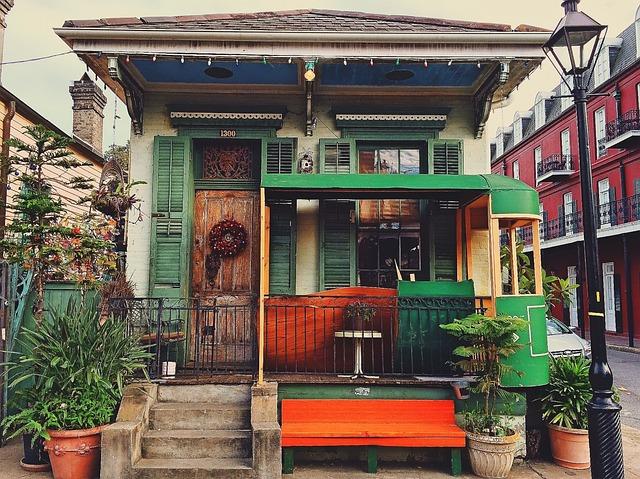
The Impact of French Architecture on New Orleans’ Urban Landscape
The architectural palette of New Orleans is a vibrant tapestry woven from its rich French heritage. In the 18th and 19th centuries, French settlers established a distinctive European flair that is still evident in the city’s famed French Quarter. The preservation of these structures has allowed the past to breathe life into the present, turning streets into living museums. Visitors can admire the unique features of this architecture, including:
- Wrought Iron Balconies: intricate designs that provide an elegant touch.
- Courtyards: hidden spaces that evoke a sense of tranquility amidst urban bustle.
- Colorful Facades: bright hues that reflect the vibrant culture of the city.
This distinctive architecture is not merely an aesthetic choice; it has significantly influenced the urban landscape and cultural identity of the city. The French influence is felt in the layout of the streets, where narrow passages and plazas foster community interaction, reminiscent of small towns in France. Furthermore, these structures play a vital role in tourism, drawing millions each year. A glimpse into the numbers illustrates this impact:
| Year | Visitors to French Quarter | Economic Impact ($ billions) |
|---|---|---|
| 2020 | 9 million | 1.5 |
| 2021 | 11 million | 2.1 |
| 2022 | 13 million | 2.6 |
The impact of French architecture on New Orleans extends beyond mere aesthetics, embodying a cultural legacy that shapes both daily life and economic growth in the city.
Revitalizing French Influence in Local Festivals and Community Events
New Orleans is pulling at the seams of its cultural fabric, weaving in the vibrant threads of its French heritage that have long enriched the city’s identity. This revival is most evident in local festivals and community events, where traditional French cuisine, music, and art come alive, reminding residents and visitors alike of the city’s storied past. Enhancing community engagement, these celebrations often feature:
- Creole Culinary Showcases – Local chefs serve dishes steeped in history.
- Live Cajun and Zydeco Music – Offering a pulsating soundtrack that captures the essence of southern Louisiana.
- Artisan Markets – Showcasing crafts and artworks that reflect French influences.
The infusion of French culture in these events is not merely for nostalgia; it plays a crucial role in boosting community pride and unity. Families gather to dance, eat, and share stories, creating an atmosphere of camaraderie and celebration. For instance, the annual French Quarter Festival has expanded its program significantly, incorporating language workshops and historical walking tours, making it a pivotal platform for cultural exchange. The festival aims to educate attendees on:
| Focus Area | Details |
|---|---|
| French Language | Interactive workshops for all ages |
| Culinary Heritage | Cooking demos by local chefs |
| Historical Insights | Tours highlighting French architecture and traditions |
Education and Preservation: Ensuring the Future of French Culture in New Orleans
The rich tapestry of French culture in New Orleans is not only a legacy to be celebrated but a living entity that needs nurturing through education and active preservation efforts. Local schools and community organizations are stepping up to deliver immersive programs that highlight the importance of the French language and contributions made by French ancestors. These initiatives encourage young people to engage with the city’s history through traditional crafts, music, and cuisine, ensuring that the vibrancy of French culture is passed down through generations. Programs such as French immersion classes and heritage festivals foster a deeper understanding and appreciation of this unique cultural identity.
Furthermore, collaborations between museums, cultural centers, and universities are pivotal in safeguarding New Orleans’ French heritage. These alliances focus on curating exhibitions that showcase artifacts and narratives from New Orleans’ French past, while also organizing workshops and lectures for the public. An example is the French Market in the French Quarter, which not only sells local produce but also hosts events that connect the community with its historical roots. The implementation of cultural stewardship initiatives aims to ensure that the essence of French influence remains a vibrant aspect of New Orleans’ eclectic identity.
Key Takeaways
In conclusion, New Orleans stands as a vibrant testament to its French heritage, weaving together history, culture, and community in a unique tapestry that continues to resonate today. From its renowned cuisine to the rhythmic sounds of jazz echoing through the streets, the city’s French roots are not merely a relic of the past but a living, breathing part of its identity. As the city embraces its rich legacy, it not only honors its history but also positions itself as a dynamic player in the global cultural landscape. Moving forward, New Orleans will undoubtedly continue to celebrate and cultivate its French connections, offering both residents and visitors alike a captivating experience steeped in tradition and innovation.