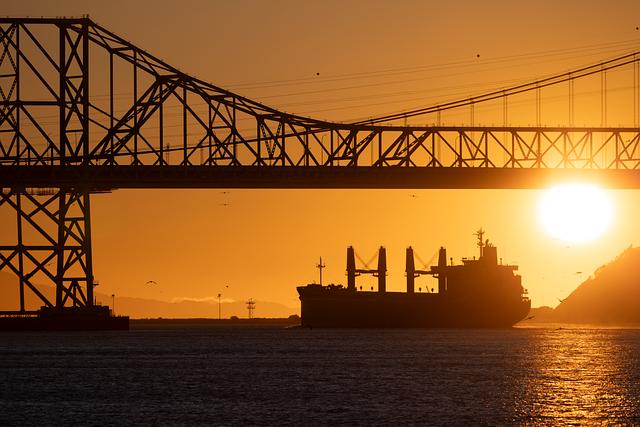
French authorities have detained the captain of the Russian shadow tanker Grinch, according to reports from RBC-Ukraine. The vessel, known for its involvement in covert maritime activities, has drawn increased scrutiny amid ongoing geopolitical tensions. This development marks a significant moment in the enforcement of international sanctions and maritime regulations targeting shadow shipping operations linked to Russia.
France Detains Captain of Russian Shadow Tanker Grinch in Maritime Crackdown
French authorities have taken decisive action by detaining the captain of the Russian tanker Grinch, renowned for operating under the radar within shadow shipping networks. This move marks a significant escalation in France’s naval enforcement strategy amid growing international pressure to clamp down on vessels suspected of evading sanctions. The tanker, noted for its controversial role in discreet cargo transfers, was intercepted in the Mediterranean Sea following intelligence that linked it to dubious maritime activities.
Key aspects surrounding the detention include:
- Operational Tactics: The Grinch frequently employed ship-to-ship transfers to obscure its cargo origins and destinations.
- Legal Framework: French maritime law and EU sanctions provided the legal basis for the detention, aligning with broader efforts to target sanction evasions.
- International Impact: Cooperation between French authorities and international partners has heightened scrutiny of shadow tankers in critical shipping lanes.
| Category | Details |
|---|---|
| Vessel Name | Grinch |
| Flag State | Russian Federation |
| Detention Location | Mediterranean Sea |
| Reason | Sanction evasion suspicion |
| Detaining Authority | French Maritime Law Enforcement |
Implications for International Sanctions and Shipping Regulations
The detention of the captain from the Russian shadow tanker Grinch by French authorities marks a significant escalation in international efforts to enforce sanctions targeting maritime activities linked to sanctioned states. Increasingly, the global community is scrutinizing vessel ownership, crew nationality, and flag registration to prevent the circumvention of sanctions. This event underscores the risks that ship operators and crews face when engaging in controversial shipping routes, potentially deterring others from participating in illicit trade networks.
Moreover, this incident is likely to prompt shipping regulators worldwide to revisit and strengthen compliance frameworks. Enhanced due diligence measures — including advanced ship tracking technologies and mandatory disclosure of ownership structures — are expected to become more common. The maritime industry may see:
- Greater transparency mandates for vessel registry and cargo documentation.
- Increased cooperation between national coast guards and international enforcement bodies.
- New penalties for shipping companies and captains found violating sanctions.
| Impact Area | Potential Regulatory Change |
|---|---|
| Flag Registrations | Stricter vetting and blacklisting of flags associated with sanction evasion |
| Compliance Checks | More frequent inspections and real-time monitoring of suspect vessels |
| Legal Accountability | Expanded scope of criminal liability for ship captains and owners |
Insights into the Grinch’s Role in Circumventing Economic Restrictions
France’s recent detention of the Grinch’s captain sheds light on the sophisticated methods employed by shadow tankers to bypass stringent economic sanctions imposed on Russia. The vessel, notorious for its elusive maneuvers, operated under a veil of secrecy, using complex ownership structures and frequent ship identity changes to evade detection. These tactics highlight the growing challenge regulators face in enforcing compliance on international waters, where jurisdictional gaps can be exploited.
Key mechanisms utilized by the Grinch to circumvent restrictions include:
- Flag switching: Undergoing multiple registry changes to confuse tracking systems.
- False documentation: Mislabeling cargo and destination details to bypass customs scrutiny.
- Satellite signal manipulation: Temporarily disabling or altering AIS (Automatic Identification System) signals to mask route details.
| Method | Effectiveness | Countermeasure |
|---|---|---|
| Flag Switching | High | Enhanced registry audits |
| False Documentation | Medium | Cross-border intelligence sharing |
| AIS Signal Manipulation | High | Real-time satellite monitoring |
Recommendations for Strengthening Maritime Enforcement and Compliance Measures
To effectively curb illicit maritime activities, authorities must bolster cooperative frameworks that transcend national jurisdictions. Strengthening intelligence sharing between nations and maritime agencies can lead to timely identification and interception of shadow shipping operations. Additionally, integrating advanced satellite tracking and AI-driven vessel monitoring systems will enhance real-time surveillance, enabling rapid response to suspicious movements and flag inconsistencies.
Key strategies include:
- Implementing unified databases for ownership and vessel history analysis
- Enhancing port state control inspections with standardized compliance protocols
- Expanding legal tools for detaining vessels and crews suspected of sanctions violations
- Promoting transparency in tanker routes and cargo declarations
| Measure | Impact | Responsible Entities |
|---|---|---|
| AI Vessel Tracking | Higher interception rate | Coast Guards, Maritime Authorities |
| Unified Database Access | Faster ownership verification | Customs, Intelligence Agencies |
| Port Control Inspections | Improved sanction enforcement | Port Authorities |
In Retrospect
The detention of the captain of the Russian shadow tanker Grinch by French authorities marks a significant development in the ongoing scrutiny of maritime activities linked to Russia. As investigations continue, this incident underscores the heightened vigilance of European nations in monitoring and enforcing sanctions amid the broader geopolitical tensions. Further updates are expected as legal proceedings unfold and the international community closely watches the implications for maritime security and compliance.