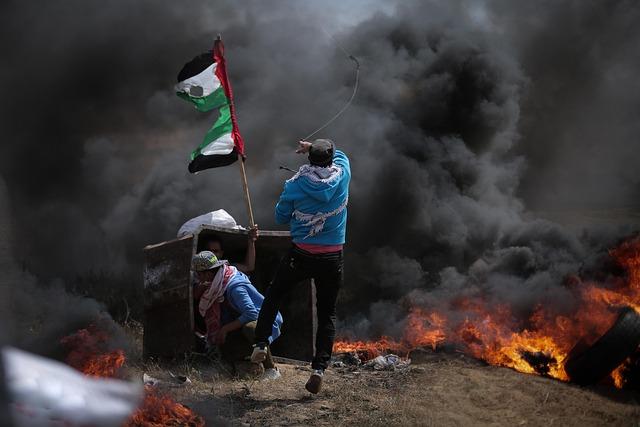
In the heart of Europe, France’s political landscape is facing unprecedented turbulence, casting a long shadow over Brussels and the broader European Union. As protests erupt, discontent simmers, and the specter of instability looms, the implications for EU policy and cohesion become increasingly dire. This article delves into the complexities of France’s political unrest, examining its causes, consequences, and the vital role it plays in shaping the future of the European project. With both domestic and international repercussions at stake, understanding the intricacies of this turmoil is more crucial than ever for policymakers and citizens alike.
Political Stalemate in France Threatens EU Stability
France is entangled in a political quagmire that threatens to destabilize not only the nation but the broader European Union. Recent parliamentary deadlocks have left President Emmanuel Macron struggling to push through critical reforms aimed at economic revitalization. Analysts warn that the lack of cohesive governance in Paris could lead to a ripple effect, impacting vital EU initiatives. The tensions between parties have escalated to the point that consensus appears impossible, leaving many to question whether France can maintain its influential role within Europe.
As political factions clash over issues like climate policy and immigration, key EU projects hang in the balance. The potential for a prolonged stalemate raises concerns about:
- Fund allocation for recovery post-pandemic
- Progress on climate agreements
- Strengthening of the EU’s external borders
The situation has prompted growing unease among EU leaders, who are closely monitoring the developments. With France being a cornerstone of the Union, any dysfunction could unravel decades of integrated policies, making the current standoff a significant point of concern for the continent’s stability.
Impact of Protests on European Governance
The ongoing protests in France highlight a crucial juncture for European governance. As citizens express their discontent over various issues—from economic inequality to climate policies—it becomes evident that these movements have far-reaching implications beyond national borders. European leaders are now faced with the challenge of addressing these grassroots sentiments while ensuring political stability across the continent. The reactions by governing bodies in Brussels will likely shape future policies, as demonstrated by the recent discussions on wage policies and social reforms, reflecting an increasing urgency to harmonize responses to civil unrest.
Moreover, the dynamics of these protests indicate a shift in public sentiment, which could lead to a resurgence of populist movements within Europe. Key factors influencing this changing landscape include:
- Economic Disparities: Heightened awareness of wealth gaps fueling discontent.
- Climate Activism: A strong push for sustainable policies emerging from grassroots campaigns.
- Immigration Policies: Public fears over migrant integration impacting national identity.
This shift poses a dilemma for European institutions, which must balance unity and diversity while navigating the turbulent political waters further aggravated by recent demonstrations. As seen in the table below, responses from various EU member states reveal differing approaches to managing civic unrest:
| Country | Response to Protests | Impact on Governance |
|---|---|---|
| France | Increased police presence | Heightened tensions |
| Germany | Easing of certain policies | Improved public confidence |
| Italy | Legislative proposals | Mixed public response |
Brussels’ Response Strategies for Paris’ Crisis
The ongoing political unrest in France has sent ripples through the halls of the European Union, prompting Brussels to activate a series of response strategies aimed at mitigating the potential fallout. While the situation remains fluid, key measures under consideration include:
- Enhanced Economic Support: Brussels is exploring increased financial aid packages to bolster France’s economy.
- Diplomatic Engagement: EU officials are engaging in intensive dialogue with French leaders to encourage stability and mitigate risks.
- Monitoring Political Developments: Continuous assessment of the political situation in France will be crucial to anticipate further implications for the EU as a whole.
Moreover, the EU is also considering adjustments to its legislative initiatives to accommodate the shifting political landscape in France. Proposed measures include:
- Flexible Regulatory Frameworks: Temporarily relaxing certain regulations to allow for swift economic recovery.
- Cross-Border Collaboration: Encouraging member states to share resources and strategies to support France during this crucial time.
- Public Communication Campaigns: Launching efforts to reassure both French citizens and EU member states of the Union’s commitment to stability.
Recommendations for Navigating Political Uncertainty in the EU
As political instability continues to grip France, the ripple effects are being felt across the European Union. To effectively navigate this turbulent landscape, stakeholders should focus on fostering open dialogue and collaboration among member states. Consider prioritizing the following strategies:
- Engage in proactive communication to clarify positions and policies.
- Enhance diplomatic ties through regular meetings between EU leaders.
- Monitor public sentiment in various member states to anticipate shifts in policy support.
Moreover, companies and organizations operating within the EU must remain agile to adjust to rapidly changing conditions. It is essential to establish comprehensive risk assessment frameworks that include political, economic, and social dimensions. Key recommendations include:
| Risk Factor | Mitigation Strategy |
|---|---|
| Regulatory Changes | Stay updated with EU parliamentary discussions. |
| Market Volatility | Diversify investments across stable member states. |
| Public Backlash | Engage with local communities to build trust. |
In Retrospect
In conclusion, France’s persistent political upheaval presents a significant challenge not only for the nation itself but also for the broader European landscape. As Paris grapples with internal dissent and a fractious political environment, its influence on EU policymaking and unity is under scrutiny. With looming elections and the potential for further instability, Brussels must navigate these complexities carefully. The situation in France serves as a crucial reminder of the interconnectedness of European politics, where the ripples of one nation’s struggles can impact the entire continent. As this situation unfolds, stakeholders across Europe will be watching closely, bracing for the implications that may arise from France’s ongoing political saga.