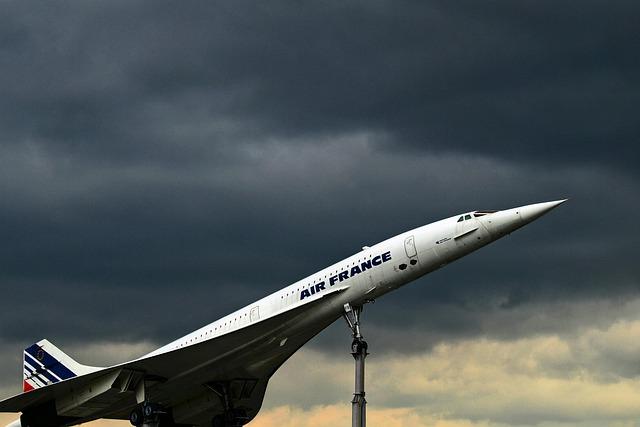
Strike action has caused significant disruption to Air France services, impacting thousands of travelers and prompting widespread cancellations and delays. As union members demonstrate over ongoing labor disputes, the French airline faces mounting operational challenges, leaving passengers and the aviation industry grappling with uncertainty. This latest development underscores the ongoing tensions within Europe’s aviation sector and raises questions about the future of airline labor relations.
Strike Action Causes Major Delays and Cancellations at Air France
Passengers faced significant disruptions this week as Air France employees initiated a strike over ongoing labor disputes. Flights across major European hubs experienced extensive delays, with many services cancelled on short notice. Travelers were advised to check their flight status regularly and prepare for potential changes to their travel plans. Airports reported long queues at customer service counters, with frustrated passengers seeking rebooking assistance and refunds.
Key impacts of the strike include:
- Over 200 flights cancelled across domestic and international routes
- Delays averaging between 3 to 6 hours on affected services
- Reduced staffing levels complicating baggage handling and boarding processes
| Region | Flights Cancelled | Avg Delay (hrs) |
|---|---|---|
| Paris Charles de Gaulle | 120 | 4.5 |
| Amsterdam Schiphol | 50 | 3.2 |
| London Heathrow | 40 | 5.0 |
Impact on Business Travel Schedules and Corporate Client Confidence
Business travel plans have been thrown into disarray as the ongoing strike at Air France causes widespread cancellations and delays. Corporations that rely heavily on punctual air transport face significant challenges in maintaining operational efficiency and meeting tight project deadlines. The unpredictability of flight availability has forced many companies to scramble for alternative arrangements, often at higher costs and with increased logistical complexity. Travel managers now report a surge in last-minute bookings and a growing necessity for contingency travel policies to mitigate the risk of disrupted itineraries.
- Heightened costs: Premium fees for rerouted flights and last-minute hotel bookings
- Reduced meeting attendance: Key executives missing critical face-to-face engagements
- Strained client relations: Delays causing frustration among corporate clients and stakeholders
Corporate confidence in Air France’s reliability has taken a hit, with many clients expressing concern over the airline’s ability to provide stable service during industrial actions. Some multinational firms are even reconsidering their travel partnerships, exploring alternative carriers or remote meeting solutions to safeguard business continuity. The current unrest signals a pressing need for airlines to prioritize clear communication and flexible policies to retain trust among their valuable corporate clientele.
| Impact Aspect | Short-Term Effect | Long-Term Outlook |
|---|---|---|
| Travel Costs | Increase by 20-30% | Potential budget reallocation to non-Air France carriers |
| Meeting Attendance | Drop by 15% | Greater adoption of virtual meetings |
| Client Confidence | Significant decline | Dependent on strike resolution and communication improvements |
Air France Response Strategies and Contingency Measures Amid Disruptions
In response to the ongoing strike action, Air France has activated multiple layers of contingency measures aimed at minimizing passenger disruptions and maintaining operational stability. The airline has prioritized critical routes and implemented a temporary reduction in flight schedules, while proactively informing customers through direct notifications and updates on its official platforms. Moreover, flexible rebooking options have been introduced, allowing affected travelers to alter their itineraries without incurring additional fees. To facilitate smoother airport experiences, Air France has coordinated with ground services to enhance staffing at key hubs, ensuring efficient handling of check-ins and customer inquiries.
Key components of Air France’s strategy include:
- Deploying reserve crews to minimize cancellations
- Increasing communication channels including social media updates and call center support
- Providing accommodation and meal vouchers for long-delayed passengers
- Partnering with alternative carriers where possible to reroute passengers
| Contingency Measure | Description | Target Impact |
|---|---|---|
| Flexible Rebooking | Fee-free itinerary changes | High passenger satisfaction |
| Enhanced Ground Support | Additional staff at airports | Reduced wait times |
| Alternative Carrier Partnerships | Passenger rerouting | Maintained connectivity |
| Priority Flights | Focus on essential routes | Continued service on key sectors |
Recommendations for Travelers Navigating Air France Strike-Related Interruptions
Travelers affected by the ongoing Air France strike are advised to stay proactive in managing their itineraries. Check the airline’s official website and mobile app frequently for real-time flight status updates and alternative travel options. It is also wise to contact customer service early to explore rebooking or refund possibilities, as lines tend to be busy during industrial actions. For those yet to book, consider flexible tickets or alternate carriers to minimize potential disruption.
Airport navigation might become more challenging due to limited staff availability, so allowing extra time for check-in and security is essential. Additionally, keep a compact travel essentials kit and important documents handy in case of sudden changes. Below is a concise checklist to ease travel during the strike:
- Confirm flight status at least 24 hours ahead
- Opt for digital boarding passes
- Prepare for longer wait times at counters and security
- Keep alternative transport options in mind (train, bus)
- Save emergency contact numbers related to your travel
Insights and Conclusions
As Air France continues to grapple with ongoing strike actions, passengers and the airline industry alike face significant uncertainty. The disruption underscores the challenges of balancing labor disputes with operational demands in the competitive aviation sector. Business travellers are advised to stay informed of the latest developments and prepare for possible itinerary changes as negotiations evolve. Further updates will follow as the situation unfolds.