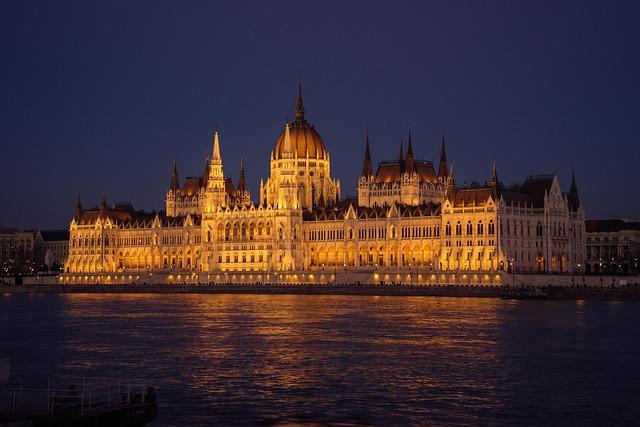
In a landmark decision, the Algerian Parliament has officially declared French colonial rule a crime, intensifying calls for accountability and reparations. The resolution, aimed at addressing the lasting impacts of over a century of colonization, marks a significant step in Algeria’s ongoing efforts to confront its colonial past. This move not only rekindles historical grievances but also sets the stage for potential diplomatic and legal battles over demands for compensation, as documented by the Orinoco Tribune.
Algerian Parliament Officially Labels French Colonial Rule as a Crime Against Humanity
In a historic session, the Algerian Parliament has passed a resolution categorizing the era of French colonial rule as a crime against humanity. This unprecedented move aims to formally acknowledge the extensive human rights abuses, economic exploitation, and cultural destruction endured by Algeria during more than a century of colonial domination. The resolution calls for an international dialogue on reparations and restitution, emphasizing the deep scars left on the nation’s social and economic fabric.
The parliament’s decision outlines specific demands directed at the French government, including:
- Official apologies and public recognition of crimes committed
- Restoration of cultural artifacts and return of stolen heritage
- Compensation for victims and their descendants
- Cooperation in historical truth commissions to fully document abuses
| Key Aspects | Impact During Colonial Rule | Post-Colonial Demands |
|---|---|---|
| Human Rights | Forced labor, massacres, torture | Official acknowledgment and reparations |
| Economy | Resource extraction without benefit | Economic restitution and development aid |
| Culture | Suppression of identity, looting | Return of artifacts, cultural revival support |
Detailed Examination of Historical Injustices and Their Lasting Impact on Algeria
The legacy of French colonial rule in Algeria is marked by extensive social, economic, and cultural disruptions that continue to resonate today. From 1830 to 1962, the indigenous populations faced systemic dispossession of land, suppression of cultural identities, and widespread human rights abuses. The imposition of foreign administrative systems dismantled existing socio-political structures, leaving deep scars in the collective memory of Algerians. This era was also characterized by violent uprisings and harsh retaliations, culminating in the brutal Algerian War of Independence, which alone caused an estimated 1 million deaths and countless displacements.
In assessing the long-term consequences of this colonial history, several core impacts emerge:
- Economic underdevelopment due to resource extraction and prioritization of settler agriculture
- Persistent social inequalities rooted in uneven access to education and land ownership
- Cultural erasure and the suppression of Arabic and Berber languages in favor of French
- Psychological trauma and national identity crises stemming from decades of oppression
| Aspect | Impact | Current Implications |
|---|---|---|
| Land Ownership | Massive confiscation and redistribution to settlers | Ongoing rural poverty and land disputes |
| Language Policy | Promotion of French over native languages | Challenges in preserving Algerian heritage |
| Economic Policies | Resource extraction benefiting France | Dependence on certain sectors, hampering diversification |
| Social Stratification | Segregation and limited social mobility | Enduring inequalities in education and employment |
Government Outlines Legal Framework and Pathways for Seeking Reparations
The Algerian government has taken a decisive step by laying out a comprehensive legal framework that seeks to hold France accountable for its colonial legacy. This framework not only codifies the historical grievances as legally reprehensible but also establishes clear mechanisms for individuals and communities to pursue reparations. Central to this approach is the creation of dedicated tribunals and commissions tasked with investigating claims, assessing damages, and facilitating negotiations between the two states.
Key elements of the reparations pathway include:
- Documenting Historical Injustices through archival research and survivor testimonies.
- Legal Recognition of the colonial government’s actions as crimes subject to international law.
- Compensation Frameworks tailored to various categories of victims, including displaced populations and descendants.
- Diplomatic Engagements designed to ensure formal acknowledgment and restitution commitments from France.
| Legal Pathway | Purpose | Status |
|---|---|---|
| Truth Commission | Document violations and testimonies | Established |
| Reparations Tribunal | Adjudicate claims and award damages | Pending Parliamentary approval |
| Diplomatic Task Force | Negotiate with French authorities | Active |
| Victim Support Programs | Provide psychosocial and legal aid | In development |
Calls for International Support and Recommendations for Diplomatic Engagement
The Algerian Parliament has urgently appealed to the international community to acknowledge the grave injustices inflicted during French colonial rule and to back Algeria’s demand for reparations. Lawmakers emphasize that this recognition is not only a crucial step toward healing but also serves as a precedent in global efforts to address the historical wounds caused by colonialism. In their calls, they highlighted the necessity for multilateral forums such as the United Nations and the African Union to spearhead diplomatic initiatives that promote justice and reconciliation.
To foster productive diplomatic engagement, experts and officials propose a series of strategic recommendations:
- Establishment of International Truth Commissions: Independent bodies to investigate and document colonial-era crimes comprehensively.
- Creation of Joint Reparations Funds: Collaborative financial mechanisms between France and Algeria to support affected communities and development projects.
- Enhanced Bilateral Talks: Structured dialogues aimed at addressing past grievances while building future partnerships.
- Promotion of Educational Exchanges: Programs designed to increase mutual understanding and historical awareness among younger generations.
| Recommended Diplomatic Actions | Expected Impact | Key Stakeholders |
|---|---|---|
| International Truth Commission | Comprehensive historical accountability | UN, Algeria, France, NGOs |
| Joint Reparations Fund | Economic restitution and development | Governments, international donors |
| Bilateral Diplomatic Dialogues | Mutual understanding and future cooperation | Diplomatic corps, leadership |
| Educational Exchange Programs | Increased historical awareness | Schools, universities, cultural organizations |
To Conclude
The Algerian Parliament’s official declaration labeling French colonial rule as a crime represents a significant moment in the ongoing reckoning with colonial histories. By formally seeking reparations, Algeria is not only demanding acknowledgment of the past injustices but also pushing for tangible measures to address the enduring impacts of colonialism. As this development unfolds, it is likely to prompt further dialogue between Algeria and France, as well as broader discussions on historical accountability and justice across the post-colonial world. The coming months will reveal how these demands resonate on the international stage and what steps may follow in this complex and deeply consequential issue.