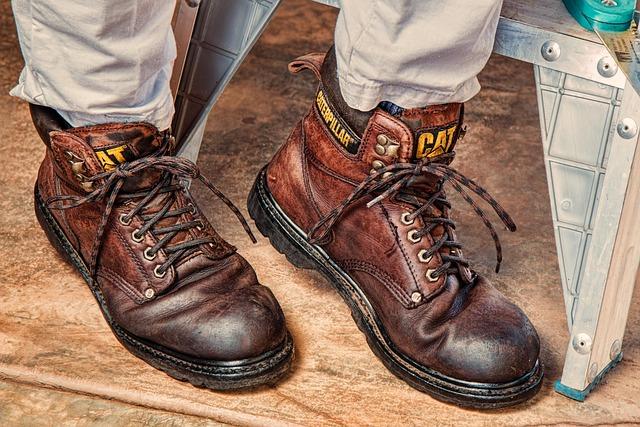
In a decisive move to safeguard outdoor workers during increasingly frequent heatwaves, France has announced a series of new protective measures aimed at mitigating the risks associated with extreme temperatures. As rising heat trends pose significant health threats, particularly to those in agriculture, construction, and other outdoor sectors, the French government is stepping up its efforts to ensure worker safety. The initiative underscores a growing recognition of the impacts of climate change on labor conditions and signals a commitment to prioritizing the well-being of the workforce amid soaring temperatures. With these measures, France seeks to set a precedent for other nations grappling with similar challenges as summer heat intensifies globally.
New Regulations Address Health Risks for Outdoor Workers During Heatwaves
In response to increasing temperatures and the associated health risks, regulations have been introduced to safeguard outdoor workers during heatwaves. These measures, designed to minimize heat-related illnesses, mandate that employers implement effective cooling strategies. As part of these regulations, companies must now provide adequate hydration stations and rest areas that are shaded or air-conditioned. This proactive approach aims to ensure that outdoor laborers can perform their duties without jeopardizing their well-being.
Among the newly established guidelines are specific recommendations for work hours, emphasizing adjustments during peak heat periods. The regulations highlight key strategies that employers should adopt, including:
- Mandatory hydration breaks every hour to encourage regular water intake.
- Flexible shift patterns to avoid the hottest parts of the day.
- Training programs for supervisors to recognize signs of heat stress.
| Temperature (°C) | Recommended Action |
|---|---|
| Above 30 | Increase hydration breaks |
| Above 35 | Limit outdoor work to early morning or late afternoon |
| Above 40 | Consider stopping outdoor work |
Assessment of Current Heat Exposure and Worker Vulnerability
Recent assessments have highlighted the critical nature of heat exposure among outdoor workers, particularly during heatwaves. The rise in global temperatures has prompted an urgent need to evaluate how prolonged exposure to high temperatures impacts health and productivity. Factors influencing worker vulnerability include:
- Age: Older workers may experience heightened susceptibility to heat stress.
- Health Conditions: Pre-existing medical conditions can exacerbate heat-related illnesses.
- Hydration Levels: Inadequate hydration increases the risks associated with heat exposure.
- Workload: Intense physical activity can amplify the body’s heat strain.
Government initiatives have initiated broader evaluations pertaining to heat exposure, aiming to implement tailored protective measures. Authorities plan to monitor heat indices regularly and ensure that guidelines adhere to scientific recommendations to safeguard outdoor laborers. A proposed table outlining current risk factors associated with heat exposure and the measures being adopted provides critical insight:
| Risk Factor | Protective Measure |
|---|---|
| High Temperatures | Regular breaks in shaded areas |
| Prolonged Exposure | Implementing shorter work shifts |
| High Humidity | Providing cooling gear |
| Lack of Hydration | Ensuring access to water stations |
Implementation Strategies for Effective Protection Measures
To effectively implement protective measures for outdoor workers during heatwaves, France’s latest regulations focus on both preventive actions and immediate response strategies. Employers are encouraged to adopt workplace policies that prioritize hydration, rest periods, and educational programs about heat-related risks. This proactive approach includes providing access to shaded areas and cooling solutions, such as fans or air-conditioned spaces, to minimize the impact of extreme temperatures on their workforce.
Furthermore, enforcement of these measures requires a coordinated effort between government agencies and private sector stakeholders. Regular inspections and monitoring play a crucial role, ensuring compliance and creating a safer working environment. Essential aspects of the strategy include:
- Regular training sessions for workers on recognizing heat stress symptoms.
- Collaboration with health authorities to provide timely medical advice and resources.
- Clear communication channels for reporting heat-related incidents effectively.
| Measure | Description |
|---|---|
| Hydration Stations | Accessible water points to encourage regular drinking. |
| Break Schedules | Structured rest periods during peak heat hours. |
| Worker Education | Informative sessions on heat safety and prevention. |
Recommendations for Employers to Maintain Safety Standards
To ensure the well-being of outdoor workers during heatwaves, employers must prioritize effective measures aligned with the new regulations. Establishing a comprehensive heat management policy is essential. This policy should include detailed protocols for monitoring temperatures, recognizing signs of heat-related illnesses, and implementing prevention strategies. Regular training sessions should be scheduled to ensure all employees are aware of the risks associated with extreme heat and the proper actions to take in response.
Furthermore, employers can benefit from creating a supportive work environment by providing essential resources. This includes:
- Access to hydration stations: Ensure that workers have easy access to cool water at all times.
- Frequent breaks: Schedule regular work breaks in shaded or air-conditioned areas to help workers recuperate.
- Protective gear: Supply lightweight and breathable clothing to minimize heat exposure.
A proactive approach not only enhances worker safety but also boosts morale and productivity, making it a win-win for both employees and employers.
Final Thoughts
In conclusion, France’s introduction of new protective measures for outdoor workers during heatwaves marks a significant step forward in prioritizing worker safety amid escalating climate challenges. By implementing guidelines that address rest breaks, hydration, and temperature monitoring, the government aims to mitigate the health risks posed by extreme heat. This proactive approach not only reflects a commitment to safeguarding the well-being of workers but also highlights the need for ongoing adaptation in labor practices as climate conditions continue to evolve. As other nations grapple with similar issues, France’s measures could serve as a model for safeguarding vulnerable populations in a warming world.