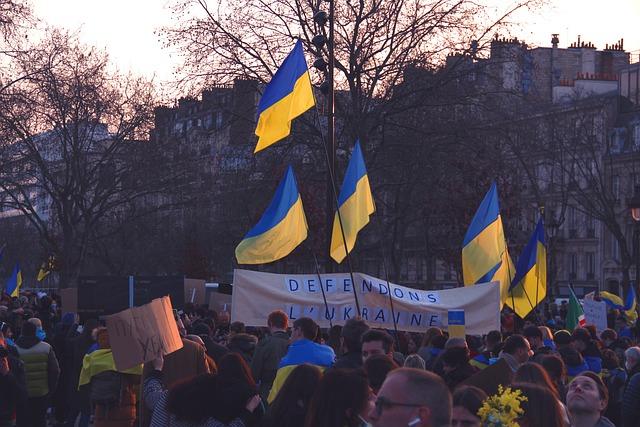
Nearly 300 Arrested in France Amid ‘Block Everything’ Movement
In a significant display of civil unrest, nearly 300 individuals were arrested across France as protests related to the ‘Block Everything’ movement escalated over the weekend. Sparked by widespread discontent with government policies and socioeconomic conditions, demonstrators took to the streets in a bid to disrupt daily life and challenge the status quo. Law enforcement responded with heightened security measures, resulting in clashes in several cities. As tensions mount, the movement, fueled by a growing sense of frustration among citizens, has garnered widespread attention, raising questions about the future of public dissent in France. This article delves into the events that unfolded and the broader implications for French society.
Block Everything Movement Sparks Nationwide Protests Across France
In a dramatic display of discontent, thousands of demonstrators took to the streets across France, fueled by what has been dubbed the “Block Everything” movement. With protests erupting in major cities including Paris, Lyon, and Marseille, law enforcement faced challenges managing the escalating tensions. Participants expressed frustration over a range of issues—economic hardship, governmental policies, and social inequalities—prompting a unified call for action. As the movement gained momentum, reports indicated that nearly 300 individuals were detained amidst confrontations between police and protesters.
The protests featured a broad spectrum of participants, ranging from young activists to seasoned labor union members. Organizers employed a variety of tactics to convey their message, including:
- Road blockades to disrupt transportation networks
- Sit-ins at government buildings
- Marches through city centers
Despite the government’s attempts to quell the unrest, the movement has gained traction, reflecting a deeper societal pushback against perceived injustices. Speculation is rife about potential repercussions and the future direction of this burgeoning collective.
Escalating Tensions: The Role of Law Enforcement in Recent Arrests
Law enforcement agencies in France have taken a decisive stance in response to the escalating protests linked to the “Block Everything” movement, resulting in nearly 300 arrests over the past week. This action underscores the government’s growing concern about public safety and order amidst rising tensions. The police have been actively mobilizing, employing various strategies to manage large crowds and prevent vandalism, which have been reported in several cities. Key measures include:
- Increased police presence in major urban areas
- Use of crowd control tactics to disperse protests
- Implementation of curfews in particularly affected neighborhoods
The recent crackdown has drawn mixed reactions from the general public and civil rights groups. Supporters argue that strong law enforcement is necessary to maintain public safety, while opponents claim that heavy-handed tactics could infringe on citizens’ rights to protest peacefully. A pertinent overview of significant arrests and related incidents illustrates the ongoing struggle between law enforcement and demonstrators:
| Date | Location | Number of Arrests |
|---|---|---|
| October 1 | Paris | 120 |
| October 2 | Lyon | 80 |
| October 3 | Marseille | 50 |
Public Reactions: Analyzing Support and Opposition to the Movement
Public response to the ‘Block Everything’ movement in France has been sharply divided, with a significant segment of citizens expressing solidarity with the demonstrators. Many supporters argue that the movement is a necessary action against rising costs and government inaction on crucial social issues. Key reasons for this support include:
- Economic Hardship: Many individuals feel the pinch of inflation and rising living costs, prompting them to back collective protests.
- Demand for Accountability: Supporters believe government leaders must be held accountable for policies perceived as neglectful of the working class.
- Empowerment through Unity: Advocates argue that mass mobilization can amplify marginalized voices, fostering a sense of community among demonstrators.
Conversely, opposition to the movement is also vocal, with critics arguing that the protests may lead to chaos and disrupt daily life. Public sentiment against the actions taken by demonstrators highlights several concerns:
- Public Safety: Residents worry about the safety risks associated with large gatherings and potential clashes with law enforcement.
- Economic Disruption: Business owners express frustration over the impact on local economies, fearing lost revenue due to blocked streets and protests.
- Calls for Dialogue: Some suggest that a more measured approach focused on dialogue with the government would be more effective than disruptive protests.
Path Forward: Recommendations for Dialogue and Conflict Resolution
In light of the recent unrest associated with the ‘Block Everything’ movement, it is imperative to foster a climate conducive to constructive dialogue. The government and protest leaders should initiate open forums aimed at addressing the underlying grievances fueling public discontent. Key recommendations include:
- Engaging Stakeholders: Create a collaborative platform that includes both government officials and protest leaders to facilitate communication.
- Negotiation Frameworks: Establish clear guidelines for negotiation to ensure both sides feel heard and valued.
- Conflict Resolution Workshops: Invest in training sessions that equip participants with skills to handle disagreements peacefully.
To further alleviate tensions, both parties must consider transparent approaches that promote accountability. It may be beneficial to implement community-led initiatives that allow citizens to voice their concerns and participate actively in the decision-making process. Possible strategies could involve:
| Strategy | Description |
|---|---|
| Public Consultations | Regular meetings where community members can express concerns and propose solutions. |
| Mediation Services | Neutral third parties available to assist in discussions between government and protesters. |
| Feedback Mechanisms | Platforms for ongoing input from citizens regarding policy changes and public safety. |
In Retrospect
In conclusion, the mass arrests during the “Block Everything” movement highlight the escalating tensions between protestors and authorities in France. As nearly 300 individuals were detained amid widespread demonstrations, the situation underscores a growing discontent with government policies and socio-economic issues. The response from law enforcement has drawn mixed reactions, raising questions about civil liberties and the right to protest. As France grapples with the implications of these events, the ongoing dialogue between citizens and the state will be crucial in shaping the future of public dissent in the country. The developments in the coming days will undoubtedly continue to garner attention both domestically and internationally, as stakeholders monitor the unfolding landscape of social movements across France.