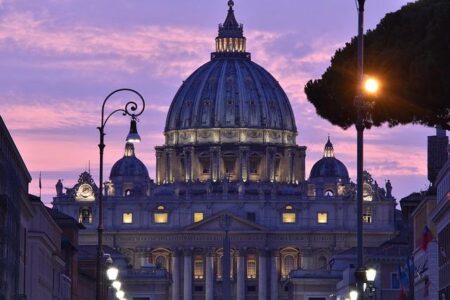
Strasbourg’s Architectural Tapestry: A Fusion of French Heritage and Modern Design
Strasbourg, the historic capital of the Alsace region, serves as a living canvas where French architectural designs take center stage. While the city is renowned for its medieval charms, such as the iconic Strasbourg Cathedral, it also showcases a striking array of contemporary buildings that challenge and complement its storied past. In this article, we explore the dynamic relationship between tradition and innovation in Strasbourg’s architectural landscape, highlighting notable projects featured by e-architect. From the elegant lines of its historic structures to the bold geometries of modern creations, Strasbourg’s buildings tell a tale of cultural evolution and artistic expression, reflecting the city’s unique position at the crossroads of Europe. Join us as we navigate through this architectural journey, unveiling the stories and designs that define Strasbourg’s urban identity.
Exploring the Fusion of Gothic and Modern Styles in Strasbourg Architecture
The architectural landscape of Strasbourg presents a fascinating tapestry woven from the threads of both Gothic and modern styles. The cathedrals, with their soaring spires and intricate facade details, stand as testaments to the city’s medieval heritage. The Strasbourg Cathedral, an embodiment of Gothic artistry, features stained glass that invites beams of light to dance across its stone interiors. In contrast, modern interventions such as the Cité de la Musique introduce a fresh perspective, characterized by clean lines and innovative materials. This juxtaposition creates a dialogue between eras, demonstrating how contemporary designs can coexist harmoniously alongside centuries-old structures.
The fusion of styles is not limited to monumental structures; it extends to residential buildings and public spaces throughout the city. For example, the Quartier des Halles showcases modern housing projects that respect the historical context, utilizing materials such as glass and steel to complement existing stone facades. Notable highlights include:
- Innovative Lighting: Enhances both Gothic and modern elements during nighttime.
- Landscaped Courtyards: Provide a serene backdrop against the city’s vibrant architectural contrasts.
- Adaptive Reuse: Historic buildings transformed for contemporary needs, preserving their original charm.
Unveiling Iconic Landmarks: A Tour Through Strasbourg’s Historical Buildings
Strasbourg’s architectural heritage showcases an intricate blend of Gothic, Renaissance, and neo-Classical styles, capturing the essence of its rich historical narrative. The most prominent gem is undoubtedly the Strasbourg Cathedral, with its stunning façade made of pink sandstone and its towering spire that reaches an impressive height of 142 meters. As visitors walk through the quaint streets of La Petite France, they encounter half-timbered houses that reflect the city’s medieval charm, showcasing vibrant colors and unique architectural details that have stood the test of time.
Among other significant edifices, the Palais Rohan stands as a testament to the grandeur of the French noble architecture of the 18th century, featuring opulent interiors that tell stories of France’s aristocratic past. To further understand the architectural diversity of Strasbourg, one can also explore the modern contrast brought by the European Parliament building, a symbol of the city’s role as a center of political dialogue in Europe. Visitors can appreciate a harmonious blend of history and modernity, characterized by a design that is both functional and visually striking. Consider the following table highlighting key landmarks and their architectural significance:
| Landmark | Architectural Style | Year Completed |
|---|---|---|
| Strasbourg Cathedral | Gothic | 1439 |
| Palais Rohan | Rococo | 1742 |
| European Parliament | Modern | 1999 |
Sustainable Design Practices: The Future of Strasbourg’s Urban Landscape
As Strasbourg moves towards a greener future, city planners and architects are adopting innovative, sustainable design practices that reflect the principles of environmental consciousness and social responsibility. Among the key strategies being implemented are green roofs, which not only reduce the urban heat island effect but also promote biodiversity. Furthermore, the integration of renewable energy sources, such as solar panels and wind turbines, is becoming increasingly prevalent in new constructions. These elements aim to minimize the environmental footprint of buildings while enhancing the quality of life for residents.
Another noteworthy aspect of the city’s evolving architectural landscape is the focus on adaptive reuse. By repurposing historic structures, Strasbourg preserves its cultural heritage while meeting modern sustainability standards. This approach not only reduces waste but also attracts eco-conscious investors and residents. City officials are increasingly supporting smart urban planning initiatives that prioritize green spaces, pedestrian pathways, and efficient public transport systems, enhancing the overall livability and connectivity of Strasbourg’s neighborhoods.
| Key Sustainable Practices | Description |
|---|---|
| Green Roofs | Provide insulation and promote urban biodiversity. |
| Renewable Energy | Incorporate solar panels and wind turbines in designs. |
| Adaptive Reuse | Transform historic buildings into modern spaces. |
| Smart Urban Planning | Focus on public transport and green spaces for better connectivity. |
Renovation and Preservation: Balancing Heritage with Contemporary Needs
As urban landscapes evolve, the challenge of integrating contemporary architectural needs with the preservation of historical buildings becomes increasingly complex. In cities like Strasbourg, where rich architectural heritage sits side by side with modern development, architects and city planners face the task of creating spaces that honor the past while accommodating the demands of modern life. Solutions often encompass innovative techniques such as:
- Adaptive reuse: Transforming old structures into new functional spaces without losing their historical essence.
- Modern materials: Incorporating sustainable materials that meld seamlessly with traditional aesthetics.
- Smart technology: Installing modern amenities to improve energy efficiency and user experience while respecting the building’s character.
This careful balance is vital not only for maintaining the unique architectural heritage of Strasbourg but also for enhancing the city’s appeal as a vibrant, modern destination. Effective preservation strategies may involve establishing collaborative frameworks that engage various stakeholders, including local governments, conservation groups, and community members. By prioritizing dialogue and inclusivity, Strasbourg can ensure that future developments not only reflect its tradition but also embrace forward-thinking visions, ultimately enriching the city’s narrative and its inhabitants’ quality of life.
| Strategy | Description |
|---|---|
| Adaptive Reuse | Repurposing historic buildings for modern usage. |
| Modern Integration | Using contemporary designs that complement the old. |
| Community Engagement | Involving locals in preservation discussions. |
In Summary
In conclusion, Strasbourg stands as a testament to the harmonious blend of historical and contemporary architecture, showcasing designs that reflect its unique position at the crossroads of French and German cultures. From the intricate Gothic spires of the Strasbourg Cathedral to the avant-garde structures emerging in the European district, the city’s buildings narrate a rich story of artistic evolution and urban innovation. As urban development continues to unfold, Strasbourg remains committed to preserving its architectural heritage while embracing modernity, making it a living canvas for architects and a focal point for enthusiasts of design. The fusion of styles not only enriches the urban landscape but also enhances the quality of life for its residents and visitors alike. As we look to the future, the architectural narrative of Strasbourg promises to inspire and captivate for generations to come.