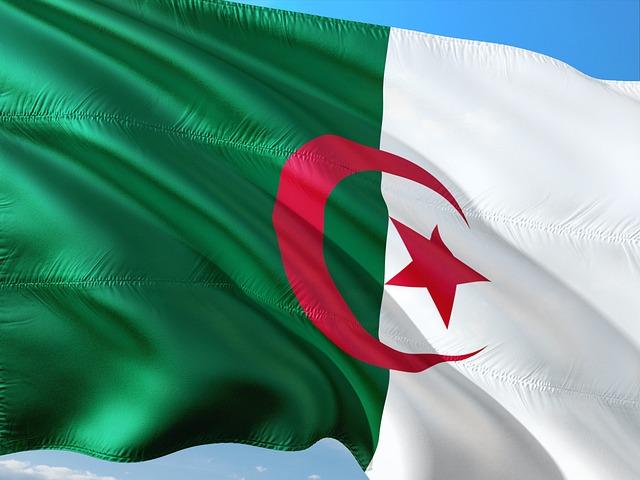
In a significant development echoing through diplomatic circles, Algeria has officially declared France’s colonial rule over its territory a crime. This pronouncement marks a renewed chapter in addressing the complex and often painful legacy of colonialism in North Africa. The announcement arrives amid ongoing geopolitical discussions and resonates with recent news developments from Azerbaijan, highlighting shifting narratives and historical reckonings in post-colonial regions. This article explores the context and implications of Algeria’s declaration, juxtaposed with the latest news from Azerbaijan.
Algeria Officially Declares France’s Colonial Rule a Crime of Aggression
In a historic move that reverberates across the international community, Algeria has officially categorized the period of French colonial dominance as a crime of aggression. This declaration marks a significant step in acknowledging the decades-long suffering inflicted on the Algerian people during the colonial era. The Algerian government emphasized that this legal classification aims to seek justice and moral redress, highlighting the severe human rights violations and systemic oppression perpetrated under French rule.
The declaration comes with a call for global recognition and reparative measures. Algeria’s statement outlined specific grievances including:
- Forced displacement and cultural suppression
- Economic exploitation and resource extraction
- Violent repression of independence movements
Experts predict that this stance could catalyze a re-examination of colonial histories worldwide and influence ongoing debates about accountability and reconciliation between former colonial powers and their ex-colonies.
Impact of Algeria’s Historic Resolution on Franco-Algerian Relations
Algeria’s resolution officially condemning French colonial rule as a crime marks a pivotal moment that could redefine diplomatic ties between the two nations. This historic declaration has already stirred deep political dialogues and unearthed unresolved wounds from decades of colonization and conflict. French officials have responded cautiously, emphasizing the need for dialogue while urging Algeria to pursue reconciliation through mutual respect and understanding. Meanwhile, Algerian leaders assert that this acknowledgment is essential for true healing and justice, signaling a willingness to revisit historical grievances in a bid to reshape future cooperation.
The resolution’s ripple effects are expected to impact various sectors, from cultural exchanges to economic partnerships. Key developments anticipated include:
- Review of bilateral agreements currently in place, with potential amendments reflecting new political realities.
- Enhanced support for Algerian diaspora communities in France, fostering stronger identity and advocacy networks.
- Increased focus on historical education, with joint efforts to address colonial history in school curricula.
| Area | Potential Impact |
|---|---|
| Trade | Temporary tensions; long-term diversification encouraged |
| Tourism | Mutual cultural tourism initiatives launched |
| Education | Joint historical projects initiated |
Expert Analysis on the Legal and Political Implications of the Declaration
The declaration by Algeria condemning France’s colonial rule as a crime marks a pivotal moment, setting the stage for profound legal and political consequences. International legal experts emphasize this move challenges the legacy of colonialism through the lens of international human rights law and transitional justice. The declaration could potentially influence reparations claims, impacting existing treaties and bilateral agreements between the two nations. It also raises complex questions about state responsibility, the statute of limitations on colonial-era actions, and the applicability of international law to historical injustices.
Politically, the declaration is expected to reverberate beyond Algerian-French relations, potentially influencing other former colonies to reexamine and publicly denounce their colonial histories. Below are some key implications:
- Diplomatic Strain: Heightened tensions in Algeria-France relations, including possible travel or trade restrictions.
- Domestic Impact: Boost to nationalist movements and government legitimacy in Algeria.
- Regional Dynamics: Encouragement for neighboring countries to pursue similar declarations.
| Aspect | Potential Effect | Timeline |
|---|---|---|
| Legal Claims | New lawsuits for reparations | Short-to-Medium Term |
| Diplomatic Relations | Increased tensions and negotiations | Immediate |
| Regional Influence | Rise in anti-colonial declarations | Medium Term |
Recommendations for International Diplomatic Engagement and Reconciliation Efforts
To bridge the lingering historical chasm between Algeria and France, it is imperative that international diplomatic efforts prioritize transparent dialogue and mutual acknowledgment of past grievances. This should entail comprehensive discussions that involve not only government officials but also historians, cultural representatives, and civil society organizations from both nations. Emphasizing restorative justice measures can pave the way for genuine reconciliation and foster an environment in which both countries can collaboratively address the lasting impacts of colonialism. A commitment to truth and reparative initiatives will be essential in transforming historical accountability into a foundation for future cooperation.
- Facilitate inclusive forums for shared historical narratives
- Establish joint commissions to investigate colonial-era abuses
- Promote educational exchanges highlighting cultural understanding
- Support community-led initiatives enhancing reconciliation
| Stakeholder | Recommended Action | Expected Outcome |
|---|---|---|
| Governments of Algeria & France | Formal apology and reparations negotiations | Institutional trust-building |
| International Organizations | Facilitate mediation and monitor implementation | Neutral oversight and accountability |
| Academics & Cultural Experts | Collaborate on unbiased historical documentation | Shared historical clarity |
Moreover, the healing of historical wounds must be accompanied by sustained diplomatic interaction aimed at reinforcing bilateral relations and regional stability. Continued engagement should embody principles of respect, empathy, and cooperation, ensuring that past injustices are neither forgotten nor repeated. Stronger ties grounded in mutual recognition will enhance socio-economic partnerships and enable Algeria and France to act jointly within broader international frameworks. Transparent communication channels and periodic reviews of reconciliation progress will be vital tools to ensure that efforts remain meaningful and adapt to evolving geopolitical contexts.
In Retrospect
As Algeria formally declares France’s colonial rule a crime, this development underscores a continuing reckoning with colonial histories in the region. The move reflects broader efforts to address historical injustices and reshape narratives around the legacy of colonialism. Observers in Azerbaijan and beyond will be watching closely as this declaration influences diplomatic relations and regional discourse in the coming months.