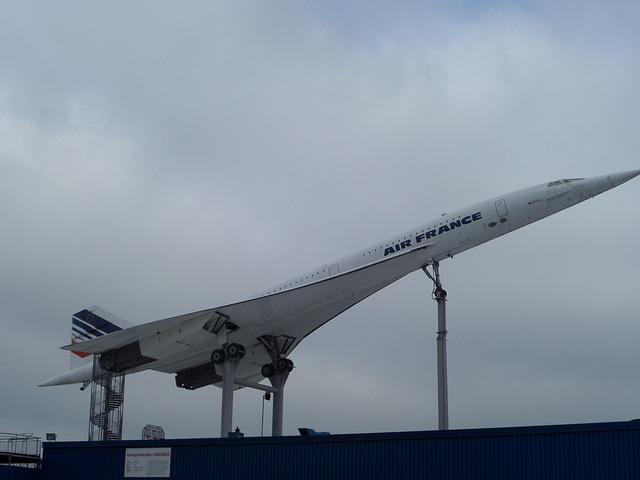
France Lists First Supersonic Concorde as Historical Monument
In a landmark decision that celebrates both aviation heritage and engineering marvel, France has officially designated the first Concorde supersonic aircraft as a historical monument. The iconic jet, which revolutionized air travel with its impressive speeds and unique design, has been an enduring symbol of technological innovation since its debut in the 1960s. This recognition not only honors the legacy of the Concorde but also highlights France’s commitment to preserving its rich aerospace history. As the world reflects on the evolution of flight, the listing serves as a reminder of a remarkable era when the skies celebrated speed and luxury like never before.
France Recognizes Concorde as a Historical Monument
In a historic move, the French government has officially recognized the Concorde as a historical monument, cementing its place in the annals of aviation history. This decision not only celebrates the engineering marvel that allowed passengers to travel faster than the speed of sound but also highlights France’s commitment to preserving its rich aviation heritage.
The Concorde, which first took flight in 1969 and entered commercial service in 1976, remains a symbol of innovation and luxury. With its sleek design and impressive speed, it transformed air travel for a generation. Moving forward, the aircraft will be displayed at various aviation museums across the country, ensuring that future generations can appreciate its significance. Key features of the aircraft include:
- Speed: Capable of reaching over Mach 2
- Capacity: Designed to carry up to 100 passengers
- Legacy: Operated until 2003, with only 20 built
| Year | Event |
|---|---|
| 1969 | First flight of Concorde |
| 1976 | Commercial service begins |
| 2003 | Final flight, ending an era |
Significance of the Concorde in Aviation History
The Concorde stands as a monumental achievement in aviation history, marking the pinnacle of supersonic travel. Its development, which began in the 1960s, symbolized international collaboration, particularly between the United Kingdom and France. This sleek aircraft not only reduced transatlantic flight times but also revolutionized passenger expectations for air travel. With speeds of over Mach 2, the Concorde made the world feel smaller, allowing travelers to cross the Atlantic in just a few hours—an unimaginable feat at the time. Some significant aspects of its legacy include:
- Technological Innovation: Advanced aerodynamics and engineering.
- Environmental Challenges: Heightened discussions on noise and fuel efficiency.
- Luxury Travel: Redefined the experience of flying, catering to the elite.
Despite its eventual retirement in 2003, the Concorde’s impact on aviation continues to resonate. Its sonic boom prompted regulations that limited supersonic flight over land, but it also sparked interest in developing quieter, more efficient aircraft designs. The aircraft’s legacy persists in ongoing discussions about the future of air travel, including new advancements in supersonic technology and sustainable aviation. Below are some key milestones in the Concorde’s history:
| Date | Event |
|---|---|
| 1969 | First Concorde prototype takes flight. |
| 1976 | Commercial operations begin. |
| 2003 | Final flight of the Concorde. |
Future Preservation Efforts for Iconic Aircraft
As France embarks on a significant initiative to protect its aviation heritage, the decision to officially designate the supersonic Concorde as a historical monument marks a pivotal moment for future preservation efforts. Recognized for its groundbreaking design and engineering, the Concorde’s stature in aerospace history is indisputable. This move not only honors the legacy of the iconic aircraft but also sets a precedent for the conservation of other significant aviation artifacts. The commitment to preserving such landmarks is indicative of a broader trend towards safeguarding historical technology, ensuring future generations can appreciate the engineering marvels that have shaped air travel.
The preservation efforts will likely encompass several key strategies, including:
- Restoration Projects: Engaging experts to restore and maintain the structural integrity of the aircraft.
- Educational Programs: Introducing workshops and exhibitions to educate the public on the Concorde’s impact on aviation.
- Collaboration with Museums: Partnering with aviation museums to create extensive displays celebrating the Concorde’s history.
- Community Involvement: Encouraging local communities to participate in preservation initiatives through volunteer programs and fundraising events.
| Preservation Focus | Description |
|---|---|
| Structural Integrity | Regular inspections and repairs to prevent deterioration. |
| Public Engagement | Host events to raise awareness and community interest. |
| Digital Archives | Create online resources documenting the Concorde’s history. |
Public Engagement and Education Opportunities Surrounding the Concorde
The designation of the Concorde as a historical monument opens up various avenues for public engagement and educational initiatives. Museums and educational organizations can now curate exhibitions that dive deep into the aircraft’s engineering marvels and its cultural significance. Potential programs might include:
- Interactive Workshops: Hands-on experiences for students to learn about aerospace engineering.
- Guided Tours: Expert-led tours showcasing the Concorde’s design and operational history.
- Public Lectures: Talks by aviation historians and former Concorde pilots.
- Film Screenings: Showcasing documentaries and films that highlight the Concorde era.
Furthermore, the opportunity to engage with the Concorde on a historical level can enhance local tourism and community involvement. Schools could collaborate with local authorities and historical societies to promote awareness of the aircraft’s impact on technology and means of transportation. A potential calendar of events might be organized, featuring:
| Event | Date | Description |
|---|---|---|
| Concorde Day | June 15 | A celebration of the Concorde’s legacy with workshops and displays. |
| Aviation Fair | August 20 | A gathering for enthusiasts with talks and exhibits dedicated to supersonic flight. |
| STEM Nights | Monthly | Regular events focusing on science, technology, engineering, and math, inspired by aviation. |
Wrapping Up
In a momentous decision, France has officially recognized the iconic Concorde as a historical monument, marking a significant chapter in aviation history. This supersonic aircraft, famed for its elegance and speed, will now be preserved as a testament to human ingenuity and progress in aerospace engineering. As it embarks on this new role, the Concorde stands not only as a relic of the past but also as a symbol of France’s pioneering spirit in the realm of flight. The designation is a fitting tribute to an aircraft that redefined travel and left an indelible mark on the landscape of international aviation. As the world reflects on the legacy of the Concorde, its place as a cultural and historical icon is now firmly secured.