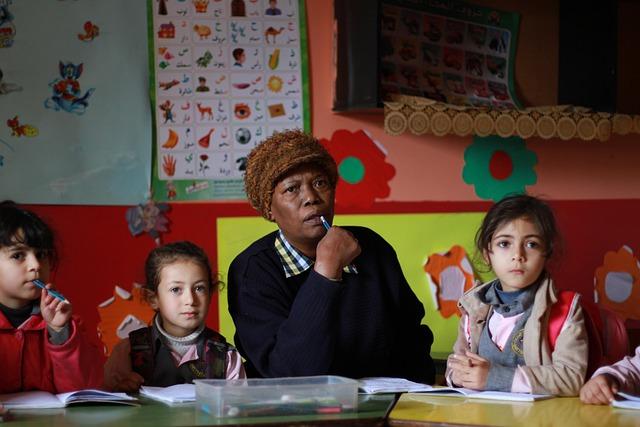
In Gaza, where conflict and economic hardship have long shaped daily life, education emerges as a battleground in its own right. Despite crippling restrictions, frequent power outages, and a crumbling infrastructure, schools and educators strive to provide children with the knowledge and stability they desperately need. France 24’s in-depth report sheds light on the relentless efforts to keep Gaza’s education system afloat amid ongoing adversity, highlighting the resilience of students and teachers determined to secure a brighter future against daunting odds.
Education under Siege in Gaza Challenges Faced by Students and Teachers
Amid the relentless conflict, students and teachers in Gaza confront a landscape marred by constant disruption. Schools frequently transform from centers of learning into shelters from violence, forcing classes to pause indefinitely. Educational infrastructure suffers devastating damage, leaving many institutions without adequate facilities or resources. Access to basic supplies like textbooks, stationery, and even electricity remains severely limited, further hindering the teaching-learning process. Educators often work under extreme pressure, balancing their own safety concerns with the urgent need to maintain a semblance of normalcy in the classroom.
Key challenges facing Gaza’s education system include:
- Intermittent closures due to airstrikes and security risks
- Shortage of qualified teachers amid ongoing displacement
- Insufficient materials and outdated curricula
- Psychological trauma impacting student focus and wellbeing
| Issue | Impact | Response Strategies |
|---|---|---|
| Infrastructure Damage | Learning halted, overcrowded schools | Temporary classrooms, international aid |
| Teacher Shortages | Reduced instruction quality | Recruitment campaigns, remote training |
| Psychological Trauma | Decline in student engagement | Counseling services, trauma-informed teaching |
Rebuilding Amid Ruins Efforts to Restore Schools and Learning Facilities
After years of conflict, the landscape of education in Gaza is marked by shattered classrooms and damaged infrastructure, yet communities refuse to surrender their children’s right to learn. Local authorities, with limited resources, have launched urgent repair projects, turning rubble-strewn sites into hopeful spaces for study. Makeshift classrooms have sprung up in community centers and tents, staffed by teachers determined to keep education alive despite ongoing power shortages and material scarcities. These grassroots efforts embody resilience, prioritizing continuity in learning against all odds.
Support from international organizations supplements these local initiatives, providing critical supplies like textbooks, stationery, and digital tools to bridge gaps caused by interrupted schooling. The restoration process includes:
- Structural repairs to damaged school buildings
- Implementation of psychosocial support programs for students and educators
- Distribution of technology kits to facilitate remote learning
- Training sessions aimed at equipping teachers with crisis-responsive educational methods
| Type of Facility | Status Before Rehabilitation | Status After Efforts |
|---|---|---|
| Primary Schools | 50% structurally unsafe | 85% operational |
| Secondary Schools | 40% reported damages | 70% partially restored |
| Learning Centers | Mostly destroyed | 60% re-established |
This coordinated rehabilitation symbolizes a collective commitment to future generations, signaling that education remains a beacon of hope amid the instability. However, ongoing conflict continues to threaten these advancements, underscoring an urgent need for sustained peace and investment in Gaza’s educational infrastructure.
Innovative Solutions Digital Tools and Community Initiatives Keeping Education Alive
In the heart of Gaza, where power outages and restricted access to resources challenge conventional schooling, educators and communities are harnessing digital platforms to keep learning uninterrupted. From mobile apps delivering curriculum content to online peer study groups facilitated through messaging services, these tools have become lifelines for hundreds of students. Volunteer-led initiatives have further strengthened this ecosystem by distributing tablets preloaded with educational materials, ensuring that students without internet access can continue their studies offline.
Community-driven efforts also play a critical role, bridging gaps left by infrastructural challenges. Local organizations have established safe learning hubs, equipped with solar panels and internet hotspots, where students gather to collaborate and receive mentorship. The table below highlights some of the key digital and grassroots initiatives empowering Gaza’s youth:
| Initiative | Focus Area | Impact |
|---|---|---|
| Gaza e-Learning Project | Digital Content Access | 300+ students reached weekly |
| Solar Study Hubs | Renewable Energy & Connectivity | 10 hubs serving 200 students |
| Volunteer Mentorship Network | Emotional & Academic Support | 150+ active mentors |
- Adaptive learning apps tailored to local curricula
- Community libraries supplying printed and digital resources
- Workshops training parents and teachers in digital literacy
International Support and Policy Changes What Needs to Happen Next
Global engagement remains crucial to safeguarding the fragile educational infrastructure in Gaza. International agencies must prioritize funding that directly supports schools, teachers, and learning materials, while also demanding accountability in resource distribution. The role of diplomatic channels is equally essential to negotiate ceasefires that ensure uninterrupted schooling. Without sustained pressure, temporary measures risk fading, leaving a generation deprived of fundamental education.
- Increase humanitarian aid targeted for education and psychological support.
- Implement international monitoring mechanisms to oversee schooling conditions and protect students.
- Promote policy reforms that facilitate safe access to education amidst conflict.
| Key Actors | Recommended Actions | Expected Outcome |
|---|---|---|
| UN Agencies | Increase funding and oversight | Improved school operations |
| Local Authorities | Ensure equitable resource distribution | Balanced access for all students |
| International Governments | Leverage diplomatic pressure | Safer learning environments |
Final Thoughts
As Gaza’s education system faces ongoing challenges from conflict, blockade, and limited resources, the resilience of students, teachers, and institutions remains a testament to the enduring value placed on learning. Despite the hardships, efforts to preserve and advance education continue, underscoring its critical role in shaping the future of generations amid adversity. The international community’s engagement and support will be pivotal in ensuring that education not only survives but thrives in Gaza’s fraught environment.