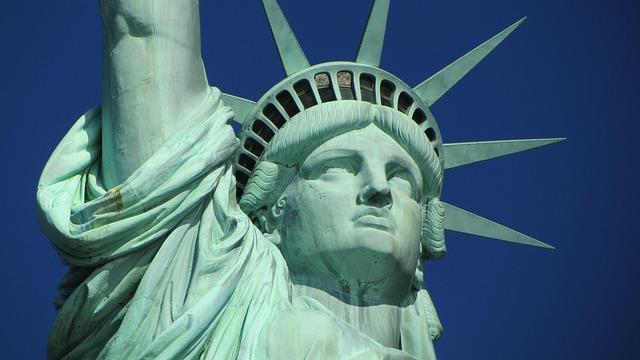
In a striking commentary on global politics, a new mural in France has captured attention with its provocative depiction of the Statue of Liberty covering her eyes. This powerful artwork, painted by renowned street artist JB Hoh, is seen as a direct critique of former U.S. President Donald Trump’s policies and rhetoric. Unveiled in a public space in Paris, the mural conveys a poignant message on issues such as immigration, freedom, and democracy, underscoring the ongoing tensions between artistic expression and political discourse. As debates surrounding national identity and global values intensify, this mural serves as a stark reminder of the enduring symbolism of the Statue of Liberty in contemporary society.
French Mural Artist Critiques Political Climate Through Iconic Symbolism
In a striking display of artistic protest, a French mural artist has transformed a city wall into a canvas of political criticism, prominently featuring the *Statue of Liberty* with her eyes covered. This poignant imagery serves as a powerful repudiation of the current political climate influenced by figures such as Donald Trump, whose policies have often been characterized by controversy and division. The choice of the iconic statue, a symbol of freedom and democracy, now obscured from view, encapsulates the sentiment of many who feel that these ideals are being jeopardized.
The mural not only sparks conversation but also acts as a reminder of the responsibility that comes with liberty and leadership. By juxtaposing such a revered figure against an act of blindness, the artist effectively conveys a sense of disillusionment towards values that once defined modern democracy. Supporters of the mural have expressed admiration for the artist’s ability to encapsulate complex sentiments through visual symbolism, igniting discussions on themes such as:
- Disregard for Human Rights
- Nationalism versus Globalism
- Censorship and Free Speech
As the mural draws attention from both local and international audiences, it stands as a testament to the power of art as a medium for social commentary. Its presence invites viewers to reflect critically on the overarching political narrative while encouraging active participation in the dialogue surrounding the future of democracy.
Analysis of the Mural’s Impact on Franco-American Relations
The mural depicting the Statue of Liberty covering her eyes serves as a potent symbol, igniting conversations surrounding the current state of Franco-American relations. This bold artistic statement resonates deeply, reflecting a sense of disillusionment with the policies and rhetoric emanating from the U.S. under Trump’s administration. Themes of exclusion and isolationism are vividly illustrated, prompting the international community to reconsider America’s perceived role as a beacon of democracy and freedom. The mural encapsulates concerns within France, where cultural values of openness and hospitality clash against the backdrop of U.S. immigration policies that are increasingly seen as divisive.
Additionally, the artwork acts as a catalyst for dialogue between the two nations, as it encourages citizens to engage with the implications of political decisions on global relationships. The anger and frustration directed at the U.S. government may foster stronger connections among European allies, driving discussions about collective action and mutual support. As both countries navigate this complex landscape, the mural’s message highlights how art can transcend barriers, offering a fresh lens through which to analyze contemporary geopolitical dynamics. Key points of interest include:
- Impact on bilateral trade relationships
- Influence on cultural diplomacy initiatives
- Shift in public perception regarding U.S. policies in France
Public Reaction to the Controversial Artwork and Its Broader Implications
The unveiling of the mural depicting the Statue of Liberty covering her eyes has ignited a fiery debate among the public, brilliantly encapsulating the polarized views surrounding contemporary American politics. Many have interpreted the artwork as a poignant critique of Donald Trump’s policies, particularly his perceived disregard for fundamental democratic values. Social media platforms have been flooded with mixed reactions, showcasing a diverse array of perspectives, such as:
- Support for the Artist: Activists and art enthusiasts praise the mural as a bold statement promoting awareness about civil liberties.
- Censorship Concerns: Critics argue that such imagery stifles political dialogue and may alienate moderate audiences.
- Symbolic Resonance: Many feel that the mural serves as a wake-up call to voters, urging them to confront uncomfortable truths.
Furthermore, this artistic expression transcends its visual impact, raising questions about free speech and the role of art in societal discourse. The mural has prompted discussions about the broader implications for artists as commentators and the responsibility they bear. Local governments, too, must navigate this complex landscape of public sentiment, as they consider the impact of such artworks on community identity. A simple breakdown of community responses illustrates this disconnect:
| Response Category | Percentage of Respondents |
|---|---|
| Favorable | 45% |
| Critical | 35% |
| Neutral/Indifferent | 20% |
Exploring the Intersection of Art and Activism in Contemporary Society
In a bold visual statement, a new mural in Paris portrays the Statue of Liberty covering her eyes, serving as a provocative critique of current socio-political issues under the leadership of Donald Trump. This artwork not only symbolizes the disillusionment felt by many over the perceived erosion of democratic values but also raises questions about accountability and truth. The artist aims to reflect a sentiment of frustration with policies that have aimed to restrict freedom and immigration, thereby challenging the very ideals the statue has long represented. Artists around the globe have increasingly used public spaces as canvases to vocalize dissent and invoke critical discussions on contemporary issues.
The mural, executed with striking detail, invites onlookers to engage in a deeper conversation about the roles of both art and activism in a rapidly changing world. Key themes include:
- Visibility vs. Censorship: Exploring how art can serve as a form of protest against censorship.
- Identity and Inclusion: Highlighting the struggles faced by marginalized communities amidst political turmoil.
- Empowerment through Art: Showcasing how creativity becomes a tool for societal change.
By capturing collective sentiments visually, the mural not only commemorates the ideals of liberty but also challenges viewers to reflect on their positions within the political landscape. This fusion of art and activism is a potent reminder of how artistic expression can spark vital conversations that resonate on both local and global scales.
The Way Forward
In conclusion, the striking mural in France serves as a powerful visual critique, invoking the image of the iconic Statue of Liberty covering her eyes as a response to contemporary political discourse, particularly aimed at former President Donald Trump. This artistic expression not only reflects the sentiments of many regarding the current state of global leadership but also highlights the enduring relevance of symbols like Liberty in the face of divisive politics. As viewers interpret the mural’s message, it prompts a broader conversation about the values of freedom and democracy, underscoring the interconnectedness of world affairs. As art continues to challenge and provoke, this mural stands as a testament to the enduring influence of cultural commentary in shaping political narratives.