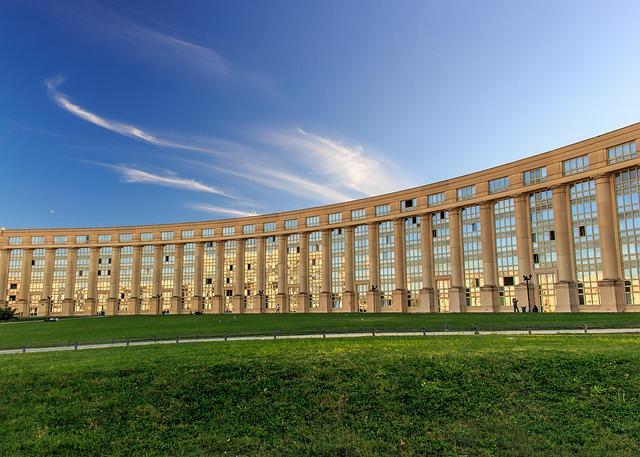
A Comprehensive Guide to Living in Montpellier: Insights from The Connexion
Nestled in the sun-soaked landscapes of the Occitanie region, Montpellier stands out as a vibrant hub of culture, history, and modernity in southern France. With its rich heritage, stunning architecture, and bustling student population, the city offers a unique blend of charm and opportunity that appeals to both locals and expatriates alike. In this comprehensive guide, The Connexion explores the essential aspects of life in Montpellier, from navigating its public transport system to immersing oneself in its diverse culinary scene. Whether you’re considering a move, planning a visit, or simply curious about this dynamic city, our detailed insights will equip you with the knowledge you need to thrive in Montpellier’s lively environment.
Exploring the Vibrant Culture and History of Montpellier
Montpellier, a city with a rich tapestry of history, invites residents and visitors alike to dive deep into its vibrant cultural heritage. Founded in the 10th century, the city was a melting pot of diverse influences, reflected in its stunning architecture and institutions. Key landmarks such as the Saint-Pierre Cathedral and the Arc de Triomphe serve as testimonials to its medieval roots. Residents can explore charming streets lined with colorful facades, where each corner reveals stories from the past. The city’s commitment to education and the arts is embodied in its numerous museums and galleries, such as the Musée Fabre, which houses an impressive collection of European art.
The annual festivals held throughout Montpellier also showcase the city’s dynamic culture. Noteworthy events include the Montpellier Dance Festival, which draws international performers, and the Comédie du Livre, a celebration of literature and local authors. Furthermore, the city’s vibrant culinary scene is enhanced by its Mediterranean influence, making the discovery of local markets an essential part of life here. A quick glimpse at the table below highlights some must-try culinary delights:
| Dishes | Description |
|---|---|
| Tapenade | A flavorful spread made from olives, capers, and anchovies. |
| Brandade de Morue | A creamy cod dish mixed with olive oil and garlic. |
| Panisse | Chickpea fritters, crispy on the outside and soft within. |
| Pissaladière | A savory tart topped with caramelized onions, olives, and anchovies. |
Navigating Local Cuisine: Top Restaurants and Hidden Gems
Montpellier is a vibrant tapestry of culinary experiences, showcasing everything from traditional dishes to innovative gastronomy. Local favorites like Le Petit Jardin offer a cozy atmosphere and a seasonal menu crafted from locally sourced ingredients. Meanwhile, the lively streets are home to unassuming bistros such as La Diligence, renowned for its hearty,authentic French cooking and an impressive wine selection that can transport any diner to the vineyards of Languedoc. For those craving international flavors, Restaurant Le Comédie combines French techniques with global cuisine, ensuring a unique dining experience that captivates both locals and visitors alike.
A journey off the beaten path can lead to hidden gems like Café de la Mer, where the seafood steals the show with daily catches prepared to perfection. If you’re looking for something sweet, head to La Gâteau à la Crème, an artisanal bakery famous for its delectable pastries and mouth-watering tarts. Consider making a reservation at one of these spots to guarantee a taste of Montpellier’s culinary magic:
| Restaurant | Cuisine Type | Specialty |
|---|---|---|
| Le Petit Jardin | French | Seasonal Dishes |
| La Diligence | Traditional French | Hearty Meals |
| Restaurant Le Comédie | Fusion | Global Flavors |
| Café de la Mer | Seafood | Daily Catches |
| La Gâteau à la Crème | Bakery | Artisanal Pastries |
Getting Around in Montpellier: Transportation Tips and Tricks
Montpellier boasts an efficient and user-friendly transportation network that makes getting around the city a breeze. The Tramway system is particularly noteworthy, featuring four lines that connect key districts and attractions. Frequent service means you won’t have to wait long, making it a popular choice for both locals and visitors. The tram system is complemented by an extensive bus network, which covers more remote areas and offers night service on weekends. To maximize convenience, consider purchasing a transit pass that allows unlimited travel for a set period.
For those who prefer to explore on two wheels, Montpellier is incredibly bike-friendly, with numerous dedicated cycling paths. Bike rentals are easily accessible, and the city’s bike-sharing program, Vélomagg, makes it hassle-free to hop on a bike for short journeys. Alternatively, the city is compact enough to navigate on foot, allowing for a more intimate experience with its charming streets. Taxis and ride-sharing services are also available, providing a flexible option for late-night outings or trips to areas less serviced by public transit. Whether you choose the tram, bike, or your own two feet, Montpellier’s transportation offers something for everyone.
Understanding the Housing Market: Renting and Buying in the City
In Montpellier, the shift toward urban living has drastically transformed the housing landscape, offering a variety of options for both renting and buying. Renting is particularly appealing for newcomers or those uncertain about long-term commitments. The city presents a range of choices from charming studios in the historical centre to more modern apartments in the outskirts. Monthly rents can vary significantly based on location, size, and amenities, often falling within the following ranges:
| Area | Average Monthly Rent |
|---|---|
| Centre Ville | €750 – €1,200 |
| Antigone | €600 – €950 |
| Port Marianne | €700 – €1,000 |
On the other hand, purchasing property represents a longer-term investment and serves as an attractive option for those looking to establish roots in the area. The real estate market here has seen a steady increase, driven by factors such as low interest rates and a growing population. Buyers can find a mix of historic homes, contemporary apartments, and spacious villas. Potential buyers should focus on particular neighborhoods known for their robust infrastructure and community vibe, which include:
- Figuerolles – Known for its artistic community and vibrant atmosphere.
- Aiguelongue – Favored for family-friendly amenities and green spaces.
- Celleneuve – Offers a blend of residential comfort with proximity to shops and schools.
To Wrap It Up
In conclusion, Montpellier emerges as a vibrant tapestry of history, culture, and modernity, making it an ideal destination for both newcomers and long-term residents. Whether you are drawn by its rich architectural heritage, diverse culinary scene, or the thriving arts community, this guide serves as a crucial resource for navigating the city’s complexities. By understanding the local customs, educational opportunities, and practical living tips outlined here, you can more easily integrate into this dynamic Mediterranean hub. As you embark on your journey in Montpellier, remember that your experience is what you make of it—embrace the city’s charm and let it enrich your life. For further insights and updates on living in this beautiful locale, stay connected with The Connexion.