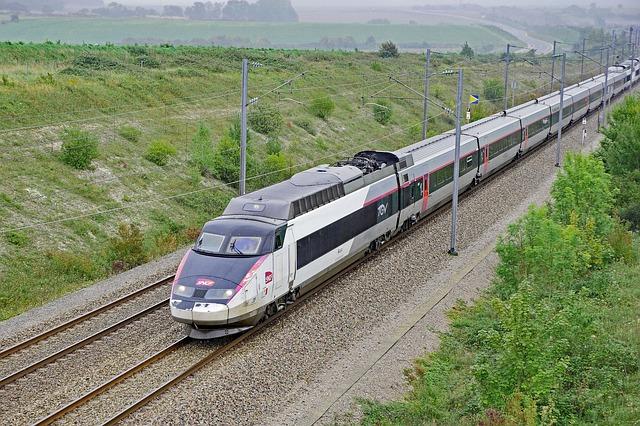
High-Speed Bordeaux-Lyon TGV Service Set to Launch by 2027
In a significant boost for France’s rail network, the eagerly anticipated high-speed train service connecting Bordeaux and Lyon is projected to go live by 2027. This new route, part of a broader initiative to enhance national transportation infrastructure, promises to slash travel times between the two major cities and improve connectivity across the country’s southwestern regions. As France continues to prioritize sustainable travel and efficient public transport, the introduction of the TGV (Train à Grande Vitesse) service embodies the nation’s commitment to modernizing its railways while catering to the growing demand for rapid intercity connections. Stakeholders and commuters alike are closely watching as preparations accelerate for this transformative development.
High-Speed Connection Set to Transform Travel Between Bordeaux and Lyon
A new era for travel in France is on the horizon, as the highly anticipated high-speed TGV service connecting Bordeaux and Lyon is set to commence by 2027. This development promises to significantly shorten travel times, making regional connectivity even more efficient. Passengers can look forward to covering the distance of approximately 590 kilometers in just over three hours, compared to the current travel time of around six hours using conventional trains. The enhanced service aims to provide a seamless travel experience, with state-of-the-art trains equipped with modern amenities and ample space for passengers and luggage.
The impact of this connection extends beyond mere travel convenience. It is expected to bolster economic ties between the two cities and foster tourism in the region. Key benefits include:
- Increased Accessibility: Easier access for business and leisure travelers alike.
- Environmental Considerations: Promoting train travel as a sustainable alternative to car or air travel.
- Job Creation: Stimulating local economies through increased demand for services and facilities.
Furthermore, local authorities are optimistic about the potential for enhanced cultural exchange and collaboration between Bordeaux and Lyon, positioning both cities as central hubs in France’s high-speed rail network.
Economic Boost Anticipated from Enhanced Rail Infrastructure
The launch of the high-speed TGV service between Bordeaux and Lyon is set to transform the regional economy significantly. With a projected travel time cut to just over 2 hours, this rapid connection is likely to enhance business interactions, tourism, and the overall vibrancy of both cities. Key economic benefits include:
- Increased Tourism: Easier access is expected to attract more visitors seeking to explore the cultural and culinary offerings of both Bordeaux and Lyon.
- Job Creation: The construction and operation of the rail infrastructure will generate numerous job opportunities in engineering, maintenance, and customer service.
- Business Growth: With faster transport links, companies will gain enhanced access to regional markets, spurring local entrepreneurship and investment.
This transformative project aligns with broader national goals to improve public transportation and reduce carbon emissions. Data from previous rail expansions indicate a positive ripple effect on the economy, as shown in the table below:
| Rail Project | Travel Time Reduction | Economic Impact |
|---|---|---|
| London to Birmingham | 50% decrease | £4 billion boost |
| Paris to Marseille | 30% decrease | €3 billion increase |
| Barcelona to Madrid | 40% decrease | €5 billion growth |
As communities prepare for the arrival of the new service, stakeholders are optimistic that its benefits will extend well beyond transportation, positioning the region for a sustainable and prosperous future.
Environmental Benefits of the New TGV Service
The introduction of the high-speed Bordeaux-Lyon TGV service is set to provide significant environmental benefits, aligning with global efforts to reduce carbon emissions. By promoting train travel over air and car transportation, this service is expected to lead to a substantial decrease in greenhouse gas emissions. Key advantages include:
- Reduction in Air Pollution: Trains produce lower levels of nitrous oxides and particulate matter compared to traditional vehicles.
- Energy Efficiency: Rail travel has been shown to be more energy-efficient per passenger mile, making it a sustainable choice for long-distance travel.
- Encouragement of Urban Development: Improved rail connectivity can foster both economic growth and eco-friendly urban planning.
Moreover, the project is expected to integrate eco-friendly technologies that minimize the ecological footprint of construction and operation. Additional elements contributing to sustainability include:
| Feature | Description |
|---|---|
| Renewable Energy Sources | Utilization of solar panels and wind energy for station operations. |
| Green Construction Materials | Use of recycled and sustainably sourced materials in building new stations. |
| Biodiversity Projects | Initiatives to enhance local ecosystems along the rail corridor. |
Recommendations for Maximizing Passenger Experience and Accessibility
To ensure a superior passenger experience on the upcoming high-speed TGV service between Bordeaux and Lyon, it is essential to focus on specific enhancements that cater to diverse traveler needs. These may include:
- Comfortable Seating: Implementing spacious, ergonomic seating with ample legroom will cater to both short and long-distance travelers.
- Onboard Services: Offering high-quality food and beverage options, with special provisions for dietary requirements, can significantly enhance the journey.
- Entertainment Systems: Providing complimentary Wi-Fi and access to a range of entertainment options, such as movies and games, can keep passengers engaged.
- Real-time Updates: Integrating digital displays to inform passengers about travel times, delays, and connections will help improve overall satisfaction.
Accessibility must be a top priority to accommodate all passengers effectively. Measures to consider include:
- Priority Boarding: Designating specific boarding times for passengers with reduced mobility will streamline the boarding process.
- Accessible Facilities: Ensuring restrooms and seating areas are fully accessible for individuals with disabilities, including tactile guidance for visually impaired travelers.
- Staff Training: Regular training for staff on how to assist passengers with various needs can create a welcoming atmosphere.
| Feature | Description |
|---|---|
| High-speed Travel | Connecting Bordeaux and Lyon in under 5 hours. |
| Advanced Accessibility | Enhanced facilities for passengers with disabilities. |
| Eco-friendly Options | Low-emission trains supporting environmental sustainability. |
Closing Remarks
In conclusion, the imminent launch of high-speed TGV service between Bordeaux and Lyon by 2027 marks a significant advancement in France’s rail network, promising to enhance connectivity and boost local economies. As travel times shrink and accessibility improves, passengers can look forward to a more streamlined experience that underscores the country’s commitment to modernizing its transport infrastructure. With this important development on the horizon, stakeholders in both cities are poised to benefit from increased tourism, business opportunities, and regional growth. As the date for this transformative service approaches, all eyes will be on the project’s progress and its potential to reshape the travel landscape in France.