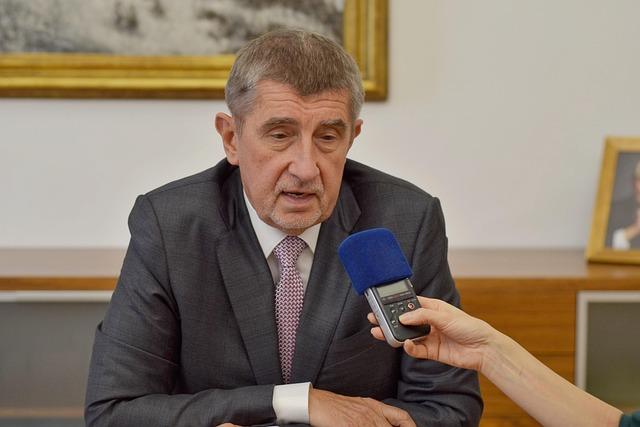
French Prime Minister faces mounting pressure as the government confronts a critical budget standoff, with debates intensifying over proposals to impose higher taxes on the wealthy. As economic challenges loom and public demands for fiscal responsibility grow louder, the call to “tax the rich” has become a focal point of contention. The outcome of this financial showdown could determine the future direction of France’s economic policies and the stability of the current administration, Reuters reports.
French Prime Minister Confronts Intense Pressure Over Wealth Tax Proposal
The French Prime Minister is navigating mounting opposition from within his own ranks and economic stakeholders as he pushes forward a contentious wealth tax proposal aimed at balancing the country’s budget. Critics argue that the plan risks driving affluent citizens and investors away, potentially stifling growth at a critical time. Supporters maintain it is a necessary step to address fiscal deficits and fund social programs, emphasizing its design to target the ultra-wealthy without burdening the middle class.
Key points fueling the debate include:
- Projected revenue increase: An estimated €5 billion annually from new tax brackets on high net-worth individuals.
- Opposition factions: Conservative lawmakers and business groups warning of economic slowdown.
- Government assurances: Measures to prevent capital flight and protect domestic investment.
| Aspect | Supporters’ View | Opponents’ Concerns |
|---|---|---|
| Economic Impact | Boosts social services funding | Potential capital outflow |
| Political Stability | Demonstrates fiscal responsibility | May threaten coalition unity |
| Social Equity | Reduces inequality | Could discourage entrepreneurship |
Economic Implications of Increasing Taxes on High-Income Earners in France
France’s push to increase taxes on high-income earners aims to boost public revenue amid soaring budget deficits. However, economists warn of potential drawbacks including capital flight, reduced investment, and a potential decrease in entrepreneurial incentives. Critics argue that heavier taxation might push wealthy individuals to relocate their assets, thereby shrinking the tax base and ironically undermining the government’s fiscal objectives.
Key economic considerations include:
- Impact on Investment: Increased tax burdens may dampen private capital formation, slowing economic growth.
- Labor Market Effects: Higher marginal tax rates can affect incentives for income generation and productivity.
- Revenue vs. Flight Risk: The balance between additional revenue and potential loss of taxable high earners is delicate and uncertain.
| Factor | Potential Positive Effect | Potential Negative Effect |
|---|---|---|
| Public Revenue | Increased tax income for public services | Possible decline due to tax avoidance |
| Economic Growth | Funding for infrastructure and social programs | Reduced private investment and innovation |
| Social Equality | Improved redistribution of wealth | Potential capital flight and economic stagnation |
Political Fallout and Public Response to the Budget Ultimatum
The political landscape in France has been significantly shaken as the Prime Minister confronts growing dissent both within the government and among opposition parties. The ultimatum — demanding a firm stance on taxing the wealthy — has unleashed fierce debate in parliament, with key coalition members expressing reservations about the economic impact of increased taxation. This discord threatens the stability of the administration, as lawmakers weigh the risk of alienating affluent voters against the mounting public pressure for fiscal equity.
Public demonstrations have intensified across major cities, reflecting widespread frustration with economic inequality. From student groups to labor unions, voices rally behind the call to “tax the rich” as an essential step toward balancing societal finances. Authorities report an uptick in petitions and social media campaigns demanding transparent budget measures.
- Protests organized in over 20 cities nationwide
- Over 100,000 signatures collected for anti-austerity petitions
- Major unions declaring plans for nationwide strikes next month
- Public opinion polls show a 62% favorability for taxing the wealthy
| Group | Position | Recent Activity |
|---|---|---|
| Coalition MPs | Divided | Private talks ongoing |
| Opposition Parties | Unified against PM’s stance | Planning joint press conference |
| Public Activist Groups | Strongly supportive | Organizing mass protests |
Strategic Recommendations for Balancing Fiscal Responsibility and Social Equity
To navigate the treacherous terrain between fiscal responsibility and social equity, it is crucial that policymakers adopt nuanced strategies that target wealth accumulation without stifling economic growth. Progressive taxation, when designed with clear thresholds and minimal loopholes, can act as a lever for redistributing wealth while ensuring adequate government revenue. This approach must be complemented by:
- Enhanced transparency: Closer scrutiny of financial flows and tax compliance to prevent evasion.
- Incentives for reinvestment: Encouraging wealthy individuals and corporations to invest in job-creating sectors.
- Social program funding: Channeling tax revenues into education, healthcare, and affordable housing to reduce inequality.
Policymakers face the challenge of balancing growth with fairness, an equilibrium that demands both innovation and discipline. The table below outlines potential outcomes of various taxation models on fiscal health and social equity, highlighting where the French government might consider tailoring its response amid mounting pressures.
| Tax Model | Impact on Budget | Effect on Inequality |
|---|---|---|
| Flat Tax | Moderate revenue increase | Limited effect |
| Steep Progressive Tax | Significant revenue gain | Reduces wealth gap |
| Targeted Wealth Tax | High yield with enforcement | Promotes fairness |
To Conclude
As the French government grapples with mounting fiscal pressures, the call to tax the wealthy has emerged as a defining issue in the national budget debate. With Prime Minister facing a stark ultimatum, the coming weeks will be critical in determining whether France can navigate its economic challenges through more progressive taxation or risk political and financial instability. The outcome will not only shape the country’s economic trajectory but also set a precedent for how advanced economies address inequality and fiscal responsibility in an era of growing public discontent.