Introduction
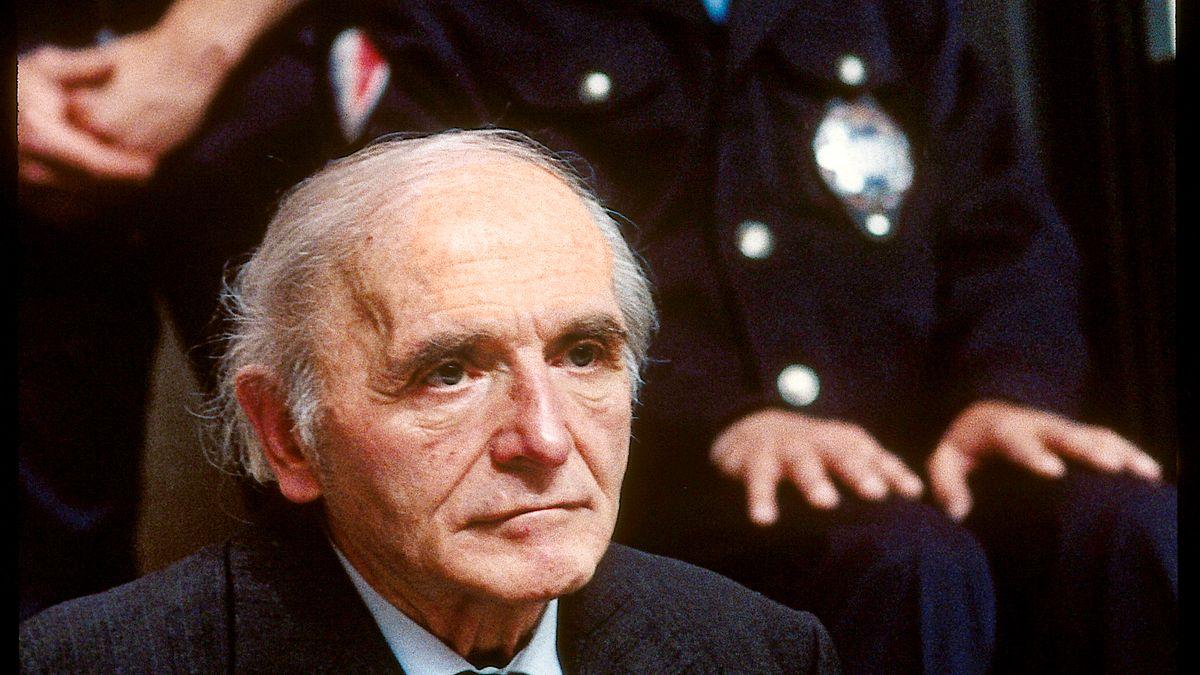
The trial of Klaus Barbie, the infamous Nazi war criminal known as the “Butcher of Lyon,” marked a pivotal moment in the global reckoning with wartime atrocities and the quest for justice. As the first prominent Nazi held accountable for his actions after World War II, Barbie’s trial in the 1980s not only exposed the horrors of his past but also ignited a fierce debate on accountability, memory, and the legacy of fascism in Europe. This landmark case revealed the complexities of bringing historical criminals to justice, capturing the attention of a world still grappling with the shadows of its past. In this article, we explore the seismic impact of Barbie’s trial, examining how it reshaped legal discourse, influenced modern war crimes tribunals, and set the stage for future reckonings with genocide and state-sponsored violence.
The Legacy of Klaus Barbie: Unpacking the Impact of His Trial on International Justice
The trial of Klaus Barbie, notorious for his role as a Gestapo officer during World War II, marked a pivotal moment in the evolution of international justice. His prosecution in the 1980s not only brought attention to the atrocities of the Holocaust but also challenged prevailing notions of accountability for war criminals. For the first time, a legal framework emerged that held individuals responsible for crimes against humanity, emphasizing that such transgressions could not be obscured by time or geography. The proceedings highlighted the importance of public memory and historical acknowledgment, pushing societies to confront their pasts and seek justice for the victims of heinous acts.
Moreover, the ramifications of Barbie’s trial were felt far beyond France, influencing international legal standards and human rights advocacy across the globe. Humanitarian organizations and governments began to rally for the establishment of tribunals that would address war crimes comprehensively. This trial set a precedent for future cases in international courts, paving the way for significant legal instruments such as the Rome Statute and the establishment of the International Criminal Court (ICC). The legacy of Barbie’s trial underscores an undeniable truth: the pursuit of justice is not merely an act of remembrance but a fundamental necessity to prevent the recurrence of such horrors.
Victims’ Voices: How the Trial Brought Survivor Testimonies to the Forefront
The trial of Klaus Barbie, infamously known as the “Butcher of Lyon,” became a pivotal moment in highlighting the stories of those who endured the horrors of Nazi persecution. Survivors stepped into the limelight, their testimonies not only providing harrowing accounts of the atrocities committed but also serving as a powerful reminder of the human capacity for resilience. Each voice added depth to the narrative, as they recounted personal experiences that had long lingered in silence, often overshadowed by the complexities of history and politics.
- Emotional Testimonies: Survivors shared gut-wrenching experiences that conveyed the trauma of their pasts.
- Historical Significance: These narratives helped document the extent of Barbie’s crimes, ensuring that the victims were not forgotten.
- Collective Healing: The act of speaking out became a crucial step towards personal and communal recovery.
As the courtroom filled with the chilling recollections of the past, the trial transformed into a platform for justice and accountability. The impact of survivor testimonies was profound, resonating beyond the walls of the courtroom and prompting dialogues about morality, memory, and responsibility. In stark contrast to Barbie’s denials and evasions, the survivors’ unwavering courage underscored a truth that demanded recognition: facing the darkness of history was necessary for genuine healing and peace.
| Key Aspects of Survivor Testimonies | Impact on Society |
|---|---|
| Personal Stories: Real accounts of suffering and loss. | Awareness: Raised consciousness about the Holocaust and its lasting effects. |
| Justice: Provided a moral foundation for prosecuting war crimes. | Empathy: Fostered understanding and compassion for victims. |
Legal Precedents Set: The Trial’s Influence on Subsequent War Crimes Prosecutions
The trial of Klaus Barbie, infamously known as the “Butcher of Lyon,” marked a pivotal shift in international law and the prosecution of war crimes. As the first significant post-World War II trial of a Nazi war criminal in a French court, it set crucial legal precedents that would shape the frameworks of future prosecutions. Barbie’s trial underscored the principle that individuals could be held accountable for crimes against humanity under domestic law, irrespective of their military rank or the situations in which they operated. Key outcomes from the trial included:
- Establishment of Accountability: The recognition that state-sponsored atrocities cannot escape justice.
- Clarification of Crimes Against Humanity: An expanded definition that influenced subsequent legal frameworks.
- Encouragement of Victims’ Participation: The inclusion of survivor testimonies empowered victims in the judicial process.
In the aftermath of Barbie’s conviction in 1987, the principles demonstrated during his trial resonated in later significant proceedings, including those at the International Criminal Tribunal for the former Yugoslavia (ICTY) and the International Criminal Court (ICC). Legal scholars often point to factors such as:
| Factor | Impact on War Crimes Prosecutions |
|---|---|
| Jurisdictional Precedents | Set a basis for international jurisdiction over war crimes. |
| Victim Rights | Promoted the inclusion of victims in legal processes. |
| Universal Jurisdiction | Encouraged nations to prosecute war criminals regardless of their home country. |
These outcomes showcase how Barbie’s trial did not only bring meager justice to those he harmed, but also galvanized a movement towards holding perpetrators of atrocities accountable on a global stage. His case became a blueprint for subsequent trials, redefining the world’s approach to justice and the impermissibility of impunity.
Lessons Learned: Recommendations for Future Trials of Atrocities and Human Rights Violations
The trial of Klaus Barbie provided invaluable insights into the complexities of prosecuting atrocities and human rights violations. Future trials must prioritize transparency and accessibility to ensure that the process is understood and trusted by the public. Key recommendations include:
- Inclusive Legal Frameworks: Employ diverse legal standards that honor international human rights norms while accommodating local legal traditions.
- Victim Participation: Foster mechanisms for victim and survivor testimonies to be central, ensuring they have a voice in the proceedings.
- Educational Outreach: Implement public awareness campaigns that elucidate the trial’s objectives, fostering community engagement and support.
Moreover, establishing a clear communication strategy is essential for managing public perception and expectations. Effective use of media can help in shaping narratives surrounding trials in a way that promotes justice and reconciliation. Consider the following tactics:
| Tactic | Purpose |
|---|---|
| Regular Updates | To keep the public informed of proceedings and maintain transparency. |
| Documentary Evidence | To provide context and substantiate claims made during the trial. |
| Engagement with NGOs | To create credibility and support for the trial through recognized organizations. |
Closing Remarks
In conclusion, the trial of Klaus Barbie not only brought to light the harrowing depths of human cruelty but also underscored the enduring quest for justice. As the courtroom revelations unfolded, they resonated far beyond the walls of the trial, igniting global conversations about accountability, memory, and the moral obligations of societies to confront their pasts. Barbie’s case embodied the struggle to ensure that such atrocities are neither forgotten nor repeated, marking a pivotal moment in the history of international law and human rights. As we reflect on the implications of this landmark trial, we must continue to advocate for justice, recognizing that the fight against impunity is ongoing and that the echoes of history demand our vigilance. The scars of the past serve as a solemn reminder: when justice falters, humanity pays the price.