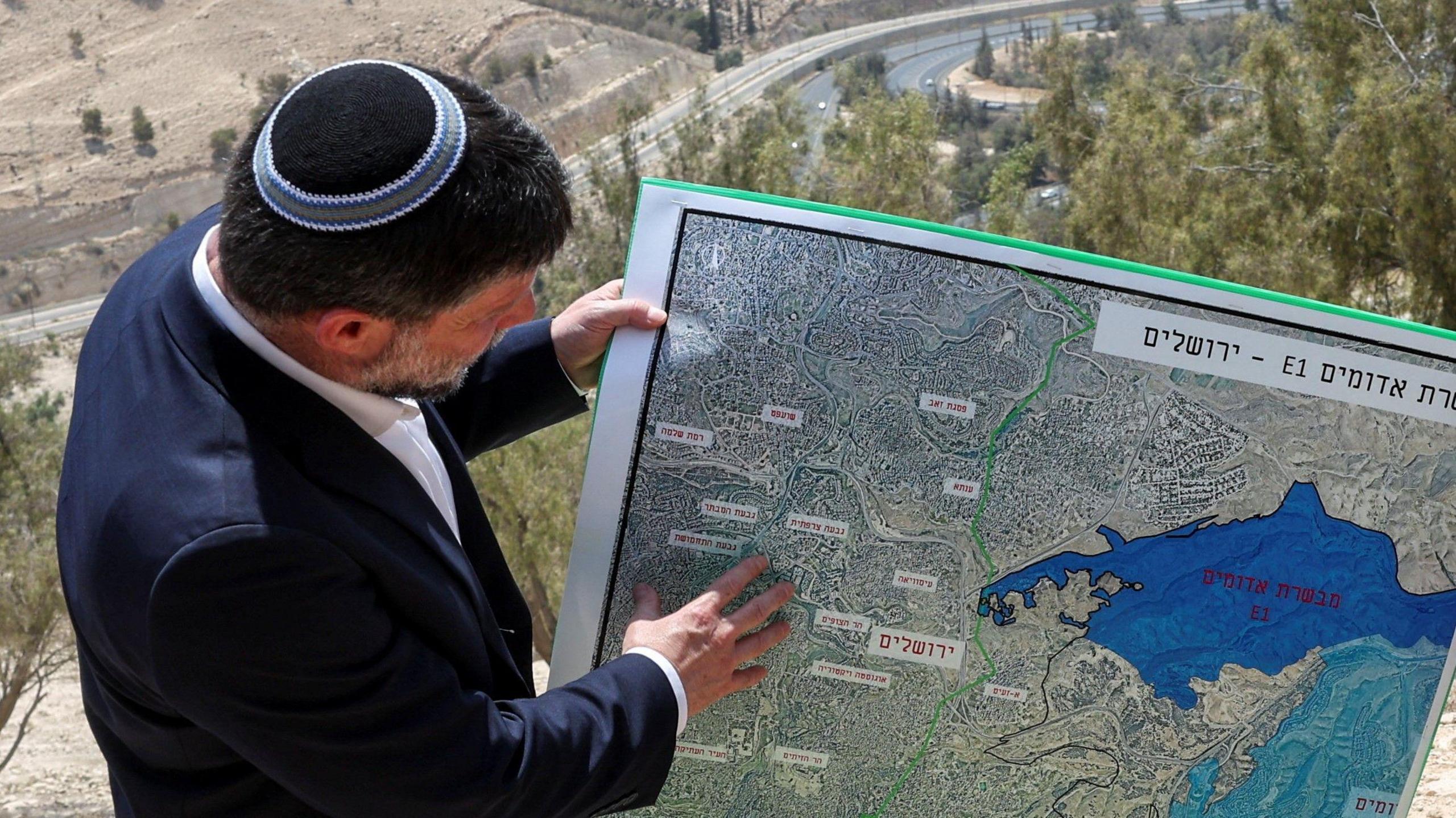
The Israeli government’s recent plan to forcibly relocate residents of Gaza has drawn sharp international condemnation, with France 24 reporting that the move has been denounced as a “crime against humanity.” The controversial proposal, which involves mass displacement amid ongoing conflict, has sparked outrage from global human rights organizations and foreign governments alike. This development adds a new dimension to the already volatile situation in the region, raising urgent legal and humanitarian concerns.
Israeli Proposal to Relocate Gazans Sparks International Outcry
The recent announcement outlining a plan to relocate thousands of Gazans has triggered widespread condemnation across the globe, with human rights organizations and government officials labeling the move as an unprecedented violation of international law. Advocates stress that such forced displacement not only endangers civilian lives but also may constitute a profound breach of humanitarian principles.
Key concerns raised by critics include:
- Violation of the Fourth Geneva Convention protections for civilian populations
- Potential for massive humanitarian crises, with limited access to resources and shelter
- Risk of exacerbating regional instability and fueling further conflict
- Absence of viable alternatives or guarantees for the safety and well-being of relocated populations
| Stakeholder | Response |
|---|---|
| United Nations | Condemned the proposal; called for immediate halt |
| European Union | Expressed deep concern over humanitarian impact |
| Israel | Defended plan as necessary for security reasons |
Human Rights Groups Label Forced Displacement a Crime Against Humanity
Leading international human rights organizations have condemned the Israeli government’s proposal to forcibly relocate residents of Gaza, categorizing the plan as a blatant violation of international law and a grave offense against human dignity. These groups highlight that such an act undermines the rights of civilians to remain in their homes and maintain their community bonds. The mass displacement, they argue, risks not only immediate humanitarian crises but also long-term destabilization of the region, potentially leading to increased suffering and conflict.
- Violation of international agreements: Contravenes the Fourth Geneva Convention protections.
- Humanitarian concerns: Threatens access to basic needs including shelter, food, and medical care.
- Legal implications: Could be prosecuted as a crime against humanity under international criminal law.
| Aspect | Human Rights Concerns |
|---|---|
| Forced Movement | Disrupts civilian life and cultural heritage |
| Access to Services | Likely restricted due to displacement |
| International Response | Calls for accountability and intervention |
Advocates stress that the international community must act swiftly to prevent the forced relocation and hold perpetrators accountable. They urge diplomatic channels to prioritize negotiations that uphold human rights and safeguard the population’s fundamental freedoms. Allowing such displacement to proceed not only deepens humanitarian crises but also sets a dangerous precedent for future conflicts around the world.
Impact of Relocation on Gaza’s Civilian Population and Infrastructure
The proposed forced relocation of residents in Gaza threatens to exacerbate an already dire humanitarian crisis. Thousands of civilians face imminent displacement, uprooting families from their homes and severing access to essential services such as healthcare, education, and clean water. The immediate impact will be the destruction of social networks and the dismantling of community resilience, pushing vulnerable populations into overcrowded shelters and temporary camps ill-equipped to meet their basic needs. Human rights organizations warn that this move could lead to increased casualties, psychological trauma, and long-term socioeconomic destabilization.
Infrastructure across Gaza, already crippled by years of conflict and blockades, stands to suffer significant damage. Key facilities including power plants, hospitals, and water treatment systems may become unreachable or non-operational as a result of systematic displacement efforts. The table below highlights the expected consequences on critical infrastructure:
| Infrastructure Type | Current Status | Projected Impact |
|---|---|---|
| Healthcare Facilities | Severely overstretched | Partial or full shutdowns due to staff displacement |
| Electricity Supply | Intermittent, limited hours | Further outages affecting hospitals, homes |
| Water & Sanitation | Contaminated, scarce access | Worsening contamination, spread of disease |
- Disruption of critical medical services endangers the lives of the sick and injured.
- Loss of shelter and basic utilities magnifies the risk of public health emergencies.
- Fragmentation of communities complicates aid distribution and recovery efforts.
Calls for Diplomatic Intervention and Protection of Palestinian Rights
Global outcry has intensified as calls mount for immediate diplomatic action to halt the Israeli plan of forcibly relocating Palestinians from Gaza. Human rights organizations, along with several United Nations officials, have categorically condemned the move as a clear violation of international law and a crime against humanity. Advocates stress the urgent need for international leaders to step in and ensure the protection of Palestinian rights, emphasizing the disproportionate humanitarian consequences this forced displacement could trigger.
Efforts to galvanize political and legal support are focusing on the following key demands:
- Immediate cessation of eviction orders and relocation mandates against Gazan civilians.
- Deployment of international observers to monitor and prevent violations of human rights on the ground.
- Legal accountability for plans and actions undermining the protection guaranteed under international humanitarian frameworks.
- Enhanced humanitarian aid and safe passage for vulnerable populations facing displacement risks.
| Stakeholders | Role |
|---|---|
| United Nations | Facilitation of peace talks and human rights monitoring |
| International NGOs | Advocacy and humanitarian assistance delivery |
| Foreign Governments | Diplomatic pressure and sanctions enforcement |
| Local Palestinian Authorities | Protection and representation of displaced communities |
The Conclusion
The international outcry over Israel’s proposed relocation of Gaza’s residents underscores the deepening humanitarian and political crisis in the region. As critics intensify accusations of potential violations of international law, the situation remains fraught with uncertainty and escalating tensions. Observers and human rights organizations worldwide continue to call for urgent dialogue and restraint to prevent further suffering amidst one of the most protracted conflicts of the modern era.