Introduction
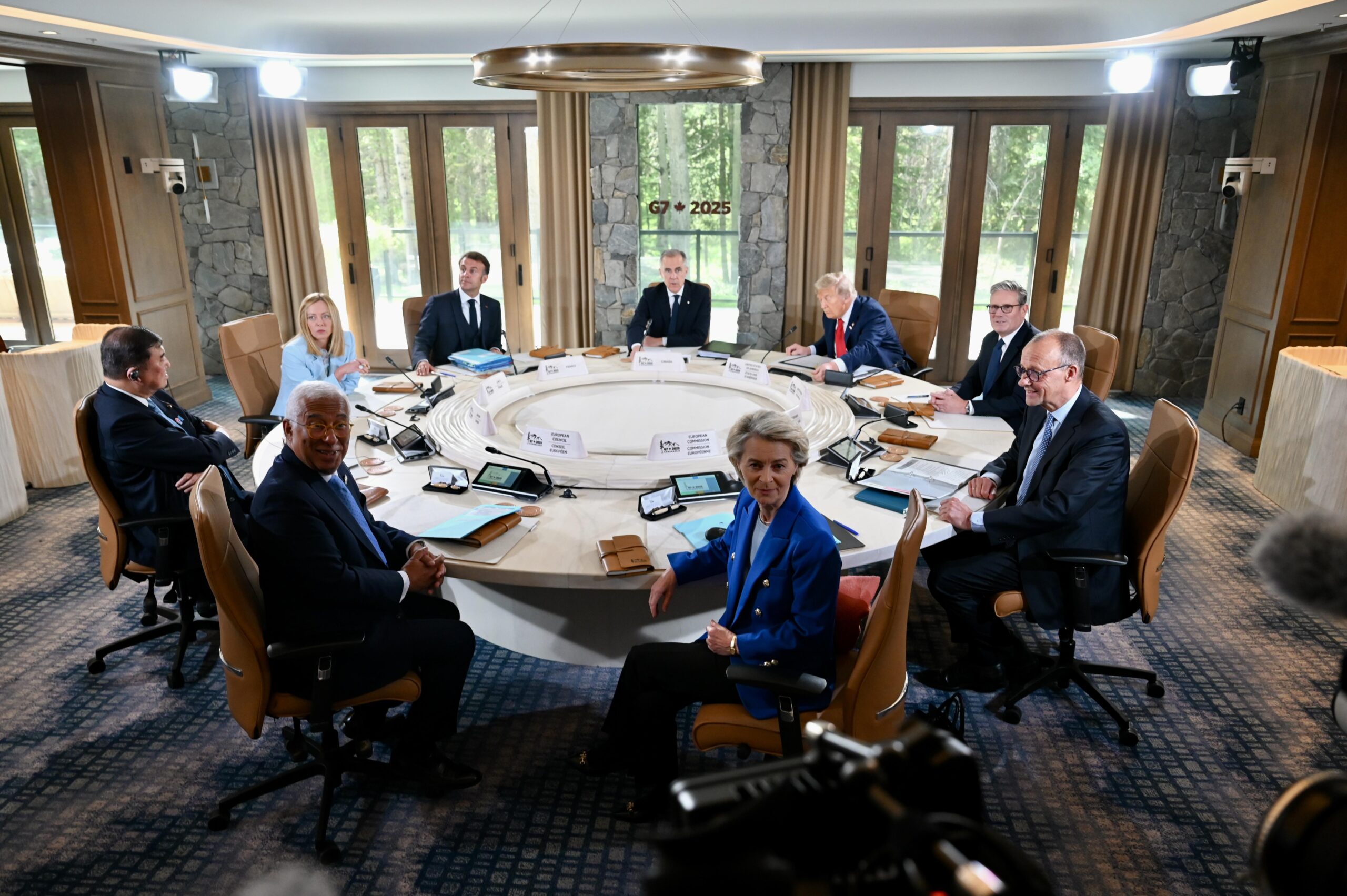
As the global economy grapples with unprecedented challenges, the G7 economies—comprising France, the United Kingdom, Japan, and others—find themselves at a crossroads. Once heralded as symbols of economic stability and political leadership, these nations now face a confluence of crises that underscore their vulnerabilities. From rising inflation and sluggish growth to political polarization and shifting global dynamics, the authority and effectiveness of the G7 are being called into question. This article delves into the central issues plaguing these major economies and examines the implications of their current political leadership in navigating this turbulent landscape. As citizens voice their frustrations and seek accountability, the future of the G7 hangs in the balance.
Economic Stagnation in G7 Countries: Analyzing the Root Causes
The G7 economies are facing a troubling period of stagnation, marked by sluggish growth and rising unemployment. Several interconnected factors contribute to this malaise, including declining productivity, demographic shifts, and geopolitical tensions. Countries like France and the UK are grappling with an aging population that places a significant strain on social services and the labor market. Meanwhile, Japan’s prolonged struggle with deflation and economic inertia has made it difficult to reinvigorate domestic consumption. These challenges are compounded by fluctuating global markets that thwart international trade dynamics, diminishing growth prospects across the board.
Moreover, political leadership in these nations has also faced criticism for lacking a cohesive strategy to tackle these economic issues. Key shortcomings include a failure to adapt to technological advancements and green energy transitions, which are vital for future competitiveness. The inability to implement comprehensive fiscal policies has left governments reactive rather than proactive. A potential pathway out of this stagnation may require bold reforms such as investing in education, fostering innovation, and improving infrastructure to stimulate economic activity. The political will to address these underlying issues remains crucial for reclaiming growth momentum.
Political Leadership Crisis: Addressing the Disconnect with Voter Concerns
The current state of political leadership among G7 economies reveals a troubling disconnect with voter concerns that is becoming increasingly difficult to ignore. In France, UK, and Japan, citizens are grappling with economic uncertainty, rising cost of living, and growing social divides, yet their leaders seem more focused on international relations than addressing pressing domestic issues. This disparity between voter expectations and government actions is fostering a sense of disillusionment, prompting citizens to question the efficacy and relevance of their leaders.
To truly reconnect with their electorate, political leaders must recalibrate their priorities and engage in transparent dialogue that highlights the challenges faced by everyday citizens. This can be achieved through:
- Regular town hall meetings to foster direct communication.
- Policy initiatives rooted in comprehensive public feedback.
- Strengthened accountability measures to ensure leaders act in the electorate’s best interests.
By addressing the core grievances of their constituencies, these leaders can begin to bridge the growing gap between them and those they serve, ultimately restoring confidence in their political systems.
Innovation and Competitiveness: A Call for Strategic Reforms
The G7 economies are grappling with stagnation, a situation exacerbated by a lack of innovative frameworks and adaptive political leadership. As nations like France, the UK, and Japan find themselves at a crossroads, the urgent need for reform becomes evident. Policymakers must focus on fostering a culture of innovation that encourages collaboration between the public sector and private enterprises to enhance competitiveness. To accomplish this, a multi-faceted approach should include:
- Investing in Research and Development: A robust investment strategy can drive advancements in technology and sustainability.
- Streamlining Regulatory Frameworks: Simplifying laws to allow quicker implementation of innovative solutions.
- Boosting Education and Training: Preparing the workforce for future demands, particularly in tech-centric fields.
While the focus on technological advancement is critical, the role of effective governance cannot be overlooked. Leadership must pivot towards transparency and accountability, reinforcing public trust. Increasing citizen engagement in policy-making can yield innovative ideas that resonate with the populace. The table below illustrates the correlation between public engagement and innovation in G7 nations:
| Country | Public Engagement Score | Innovation Index |
|---|---|---|
| France | 7.8 | 60.1 |
| UK | 6.5 | 53.4 |
| Japan | 5.9 | 52.0 |
Global Collaboration and Climate Challenges: The Need for Unified Action
As the clock ticks towards critical climate thresholds, the G7 economies find themselves at a crossroads where solidarity is paramount. The divergent approaches among member states like France, the UK, and Japan reflect a troubling inconsistency in commitment. The recent summits have seen nations outlining ambitious goals, yet the implementation of these pledges remains sluggish. For example, investments in renewable energy are often overshadowed by fossil fuel subsidies, leading to skepticism among advocates for change. A truly unified front requires member states to navigate their political landscapes while prioritizing environmental sustainability over short-term economic interests.
The interdependence of nations on climate action cannot be understated. In the absence of cohesive strategies, the G7 faces unique challenges that hinder effective responses. Key issues include:
- Disparate Policy Goals: Each nation’s environmental policies vary significantly.
- Economic Pressures: Immediate economic struggles can distract from long-term climate objectives.
- Public Support: Varying levels of public engagement and support affect the political will for complex climate initiatives.
To provide a clearer picture of this predicament, the following table illustrates some key statistics relating to G7 member states and their carbon emissions:
| Country | Carbon Emissions (MtCO2) | Renewable Energy % |
|---|---|---|
| France | 291 | 18% |
| UK | 420 | 30% |
| Japan | 1,162 | 10% |
These figures underscore the urgent need for collaborative action and a commitment to reversing damage. Without a paradigm shift in the political leadership of these economies, the G7’s role as a leading climate authority may be at stake, jeopardizing the collective future of global environmental health.
Wrapping Up
In conclusion, the challenges facing the G7 economies—particularly those of France, the UK, and Japan—reflect deeper structural issues and leadership crises that cannot be overlooked. As these nations grapple with economic stagnation, rising inflation, and political discontent, the urgency for innovative policy solutions becomes paramount. The effectiveness of their leadership will be tested in the coming months as they navigate an increasingly complex geopolitical landscape. The G7’s ability to adapt and respond to these multifaceted challenges will not only influence their domestic stability but also their roles on the global stage. As we move forward, the world will be watching to see how these economies can harness their collective strength to foster sustainable growth and restore public trust in their political institutions.