REVIEW: The Festival d’Avignon Presents WHEN I SAW THE SEA By Ali Chahrour
The Festival d’Avignon, a cornerstone of the international performing arts scene, continues to captivate audiences with its diverse slate of productions. This year, the festival showcased “When I Saw the Sea,” a poignant piece by Lebanese choreographer and performer Ali Chahrour. Exploring themes of loss, nostalgia, and the complexity of human emotions, the production promises a visceral experience that resonates deeply in today’s turbulent world. As the festival draws theater enthusiasts from across the globe, Chahrour’s work stands out for its innovative blend of movement, narrative, and visual artistry, inviting spectators to reflect on their own encounters with longing and memory. In this review, we delve into the intricacies of Chahrour’s vision and the impact it leaves on audiences at one of the most prestigious cultural events in Europe.
Exploring the Themes of Identity and Displacement in When I Saw the Sea
The production intricately weaves together the themes of identity and displacement, presenting a visceral exploration of how individuals navigate their sense of self amidst turbulent environments. Through compelling performances, the characters grapple with their fragmented identities shaped by personal and socio-political upheavals. The use of staging and visual metaphors amplifies the sense of longing and loss, encapsulating the essence of those who find themselves uprooted. From the poignant soliloquies to the ensemble’s synchronized movements, the narrative poignantly reveals the profound psychological impacts of dislocation.
Additionally, the work delves into the crossroads of cultural heritage and personal identity, showcasing a rich tapestry of experiences that are at once unique and universally relatable. Key elements include:
- Personal Journeys: Each character’s backstory adds depth to their motivations.
- Symbolic Imagery: The use of the sea as a metaphor for both separation and a yearning for home.
- Collective Memory: How shared histories shape the identities of displaced communities.
This thoughtful examination invites audiences to reflect on their own narratives while fostering empathy for those navigating similar struggles in the real world. The interplay between self and community further emphasizes the importance of dialogue in understanding what it truly means to belong.
A Closer Look at Ali Chahrour’s Unique Directorial Vision
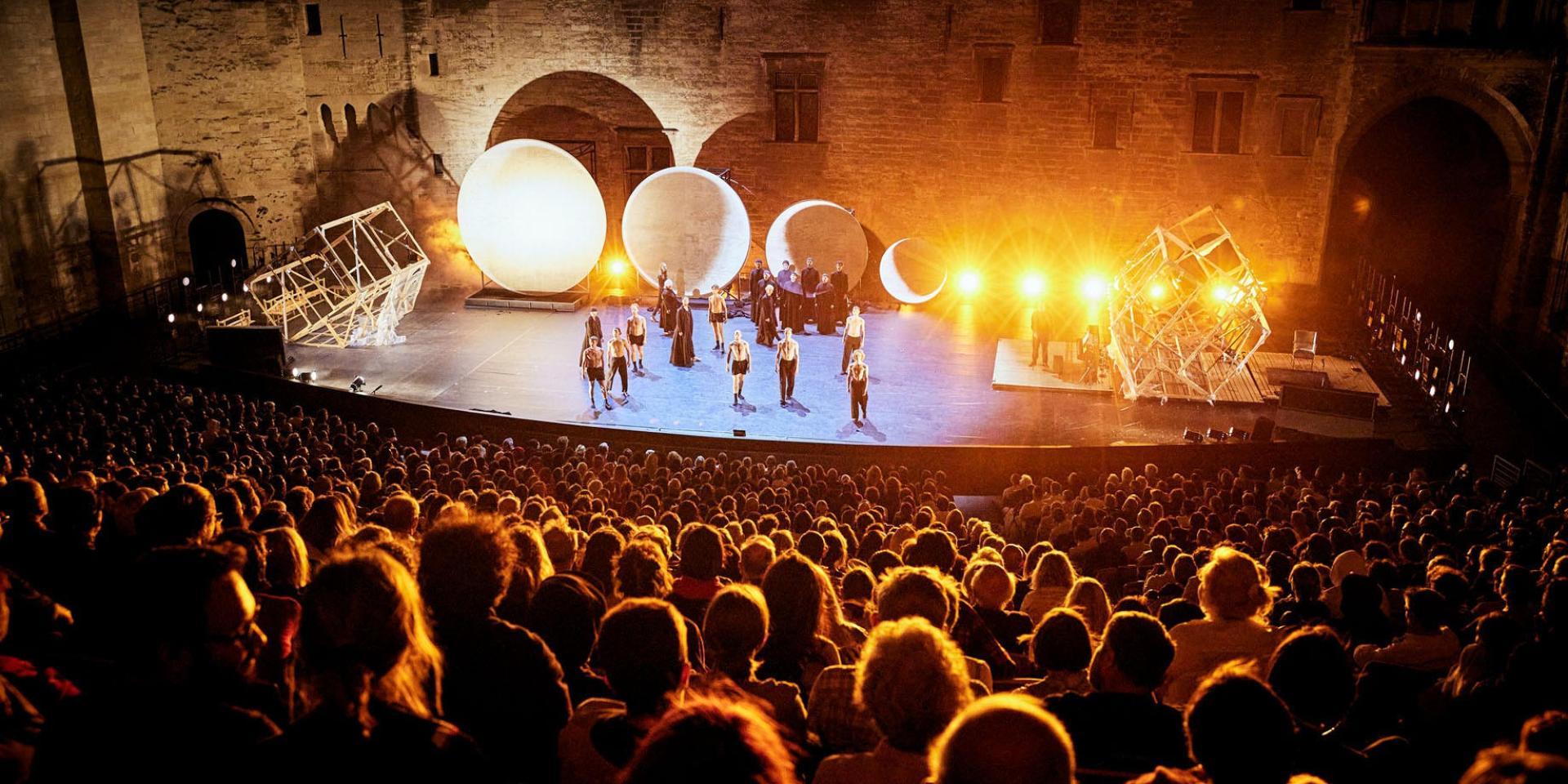
Ali Chahrour’s directorial vision in “When I Saw the Sea” is both distinctive and profoundly immersive, challenging traditional narratives through his innovative use of space and time. The production exemplifies an intricate interplay of visual storytelling and evocative soundscapes, seamlessly transporting audiences to a world where reality blurs with emotion. Chahrour deftly manipulates the stage, employing dynamic lighting and striking set designs that reflect the internal landscapes of the characters. This multifaceted approach not only captivates but also invites the audience to engage with the themes of loss and yearning on a deeply personal level.
Moreover, Chahrour’s incorporation of cultural elements enhances the overall impact, creating a rich tapestry of experiences that resonate universally. Through the following techniques, the performance underscores the director’s unique artistic sensibilities:
- Fluid choreography: Each movement tells a story, synchronizing with the emotional weight of the narrative.
- Symbolic props: Objects are layered with meaning, serving as conduits for reflection and connection.
- Interdisciplinary influences: Drawing inspiration from various art forms, Chahrour crafts a holistic experience that transcends conventional boundaries.
This vibrant exploration not only mirrors the complexities of human emotion but also asserts Chahrour’s place as a visionary in contemporary theater, redefining the audience’s relationship with the performance.
Performances that Captivate: The Talented Cast of When I Saw the Sea
In an unforgettable display of artistry, the cast of When I Saw the Sea delivers performances that resonate deeply with audiences, effectively capturing the emotional landscape of Chahrour’s poignant narrative. Each actor brings a unique blend of passion and skill, skillfully navigating the complex themes of displacement and yearning. Notable performances include:
- Dania Hammoud: Her portrayal of the protagonist showcases a profound emotional range that leaves viewers captivated.
- Ramzy Nammour: With an intense presence, Nammour provides a compelling counterpoint to the central narrative, weaving tension and hope together seamlessly.
- Shirine Boutella: Boutella’s nuanced performance offers a glimpse into the fragility of human connections amidst turmoil.
The chemistry among cast members enhances the overall impact of the production, creating a cohesive tapestry of experiences that reflect the realities of a generation grappling with identity and belonging. The dedication and synergy displayed in their performances are a testament to Chahrour’s unique vision for the stage. As the production unfolds, audiences witness moments that linger long after the curtain falls:
| Character | Actor | Performance Highlight |
|---|---|---|
| Protagonist | Dania Hammoud | Emotional Monologue |
| Antagonist | Ramzy Nammour | Tension Building Scene |
| Supporting Role | Shirine Boutella | Heartfelt Interaction |
Why This Production is a Must-See at the Festival d’Avignon
The production of WHEN I SAW THE SEA by Ali Chahrour stands out at this year’s Festival d’Avignon for its profound exploration of themes such as identity, migration, and the human connection to nature. Skillfully combining elements of dance, spoken word, and visual art, the performance captivates audiences through its innovative storytelling. The hauntingly beautiful choreography serves as a visceral representation of the complexities faced by those who have traversed vast oceans in search of a new beginning. Viewers are not mere spectators but participants in a deeply emotional journey that resonates beyond the stage.
This production has garnered attention for several reasons:
- Emotional Depth: Every movement conveys the weight of the narratives being told.
- Multifaceted Artistry: The blend of various artistic mediums creates a rich tapestry that keeps the audience engaged.
- Social Commentary: It effectively raises critical questions about displacement and belonging.
Chahrour’s visionary direction challenges conventional theater norms, making this performance a standout at a festival that prides itself on pushing artistic boundaries. For those seeking a transformative experience, WHEN I SAW THE SEA promises not only visual splendor but also lasting reflections on the human condition.
Key Takeaways
In conclusion, “When I Saw the Sea” by Ali Chahrour stands as a poignant testament to the power of performance art to explore complex themes of longing, identity, and the human experience. The production, showcased at the Festival d’Avignon, captivates audiences with its stirring visuals and evocative storytelling, highlighting Chahrour’s unique voice in contemporary theater. As the festival continues to redefine the boundaries of artistic expression, this work promises to resonate long after the final curtain falls. For those seeking an unforgettable theatrical experience, “When I Saw the Sea” is undoubtedly a must-see. Stay tuned for more insights and updates as the Festival d’Avignon unfolds its rich and diverse offerings this season.