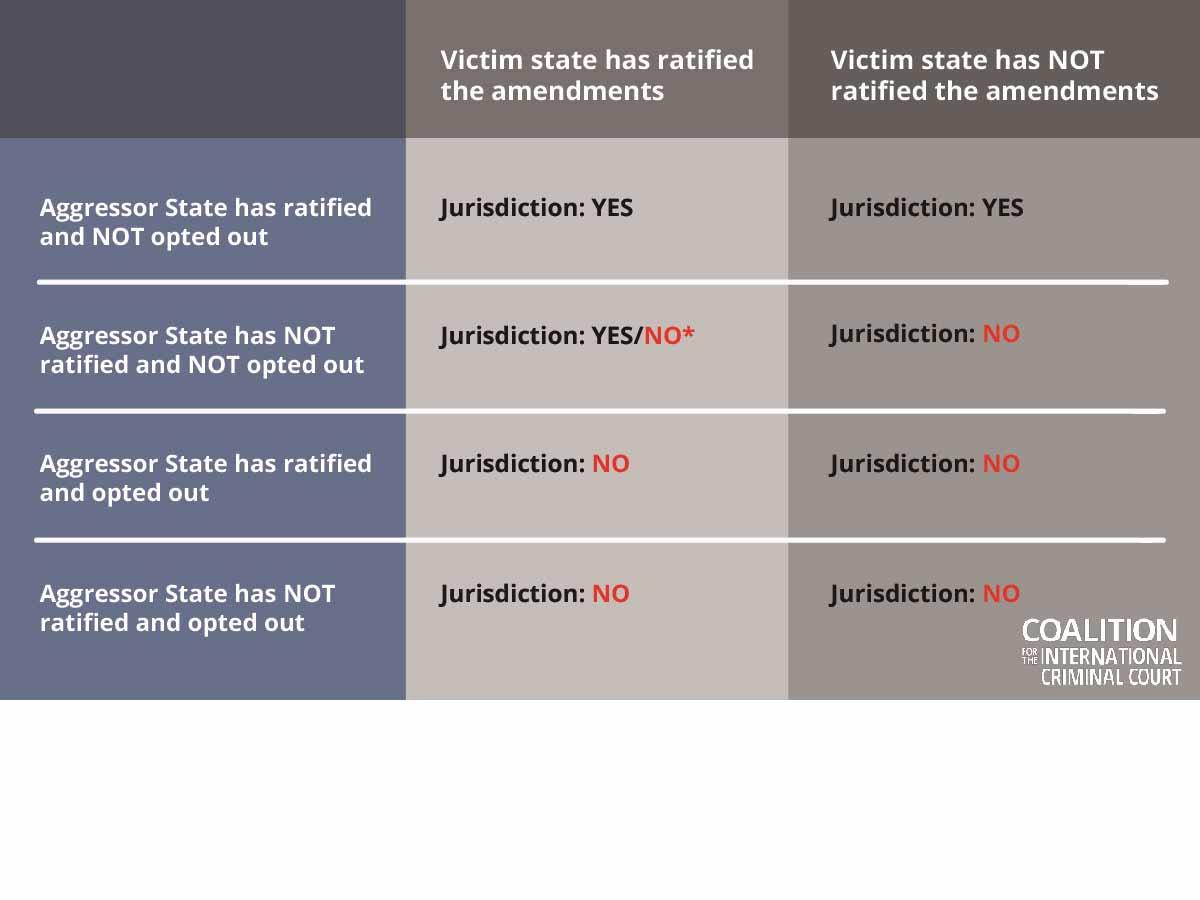
Negotiations aimed at defining and prosecuting the crime of aggression have hit a significant roadblock, with France, the United Kingdom, and Canada reportedly blocking progress. The impasse threatens to stall international efforts to strengthen accountability for acts of aggressive warfare under international law. As states grapple with divergent views on jurisdiction and enforcement mechanisms, the deadlock raises urgent questions about the future of global justice frameworks and the pursuit of peace. This article delves into the latest developments surrounding the negotiations and the positions taken by key players in the international community.
Crime of Aggression Negotiations Face Setback from Key Western Powers
The recent diplomatic efforts to finalize a comprehensive framework addressing the crime of aggression have encountered significant resistance from pivotal Western nations, notably France, the United Kingdom, and Canada. These countries have expressed deep reservations concerning the proposed definitions and jurisdictional reach, arguing that the draft could potentially politicize international criminal law and undermine national sovereignty. Their withdrawal of consensus has considerably stalled the negotiation process, leaving advocates for stronger international accountability at an impasse.
Key points in the ongoing debate include:
- Ambiguity in defining ‘aggression’ and concerns over broad interpretations.
- Jurisdictional limits that Western powers fear could lead to unwarranted prosecutions.
- Potential geopolitical implications affecting the role of the International Criminal Court.
| Country | Primary Concern | Status on the Negotiations |
|---|---|---|
| France | Protection of national discretion in military interventions | Blocked |
| United Kingdom | Prevent politicization of legal mechanisms | Blocked |
| Canada | Clarity of legal definitions and safeguards | Blocked |
The impasse demonstrates the intrinsic tension between the drive to hold state actors accountable for acts of aggression and the geopolitical realities influencing treaty negotiations. Moving forward, any breakthrough will require not only legal ingenuity but also deft diplomatic negotiation to bridge these entrenched positions.
Impact of France United Kingdom and Canada’s Opposition on International Justice Efforts
The steadfast refusal of France, the United Kingdom, and Canada to endorse the latest proposals has dramatically impeded progress on global accountability mechanisms. Their opposition stems from concerns about the potential infringement on national sovereignty and the risk of politicization within international judicial processes. This stance not only stalls consensus at critical negotiation tables but also sends a wider signal questioning the commitment of some key democracies to advancing international justice. Without their support, efforts to establish robust frameworks for prosecuting the crime of aggression are vulnerable to fragmentation and dilution.
The repercussions of their dissent extend beyond mere procedural delays. Civil society groups, legal experts, and allied nations have expressed apprehension over weakened enforcement capabilities and diminished deterrence effects. Below is a summary of the key objections raised by these countries, highlighting their core concerns:
- France: Risks of politicizing judicial processes and overreach of international mandates.
- United Kingdom: Preservation of sovereignty and protection of national defense prerogatives.
- Canada: Need for clearer definitions and safeguards against misuse of charges.
| Country | Primary Concern | Potential Impact |
|---|---|---|
| France | Judicial politicization | Reduced trust in ICC decisions |
| United Kingdom | Sovereignty concerns | Hindered treaty adoption |
| Canada | Definition clarity | Vagueness in prosecution |
Analyzing the Geopolitical Motives Behind the Negotiation Blockade
At the heart of the stalled negotiations lies a complex web of strategic interests that France, the United Kingdom, and Canada seem unwilling to compromise. These nations perceive the proposed frameworks for the Crime of Aggression as potentially restricting their military and diplomatic maneuverability on the global stage. Their resistance is not merely procedural but fundamentally linked to safeguarding their geopolitical influence, particularly in regions where power balances remain volatile. By blocking progress, they aim to preserve their ability to engage in international conflicts without the looming threat of legal repercussions that the new regulations might enforce.
Analyzing their stance reveals several intertwined motives:
- Protection of Strategic Sovereignty: Ensuring that their national interests and decisions are not unduly constrained by international judicial bodies.
- Maintaining Military Flexibility: Avoiding legal frameworks that could restrict their engagement in military interventions deemed necessary for security or alliance obligations.
- Preservation of Diplomatic Leverage: Preventing the creation of precedents that could empower rival powers or diminish their standing in multilateral negotiations.
| Country | Primary Geopolitical Concern | Negotiation Position |
|---|---|---|
| France | Influence in Francophone Africa | Firm resistance to enforceable aggression definitions |
| United Kingdom | Post-Brexit security autonomy | Demand for exemptions in military operations |
| Canada | NATO alliance commitments | Advocating flexible interpretation clauses |
Recommendations for Overcoming Diplomatic Deadlock to Advance Accountability
To break the current impasse caused by France, the United Kingdom, and Canada, it is essential to pursue a multi-faceted approach rooted in inclusivity and transparency. Key steps involve fostering open dialogue platforms that bring together all stakeholders, including states with divergent views, civil society actors, and international legal experts. Prioritizing confidence-building measures can help alleviate mistrust and open pathways toward consensus on contentious issues surrounding the crime of aggression. Additionally, leveraging informal diplomacy, such as backchannel negotiations and third-party mediation, could soften hardened positions and outline viable compromises without public posturing.
Practical measures to accelerate progress include:
- Establishment of a neutral expert panel to clarify legal and operational ambiguities, thus reducing political friction.
- Enhanced involvement of regional organizations to contextualize concerns and foster localized solutions acceptable to major powers.
- Incremental, issue-specific agreements that build momentum for a broader consensus rather than waiting for a grand bargain.
- Regular transparency reports on negotiation progress to keep the international community informed and engaged.
| Recommendation | Expected Impact |
|---|---|
| Neutral Expert Panel | Clarify ambiguities, reduce political tension |
| Regional Organization Involvement | Localized acceptance, greater cooperation |
| Incremental Agreements | Build trust, create tangible progress |
| Transparency Reports | Maintain pressure, public accountability |
In Conclusion
As negotiations on the crime of aggression reach an impasse, the steadfast opposition from France, the United Kingdom, and Canada underscores the complex geopolitical and legal challenges that continue to impede consensus. With key players unwilling to compromise, the future of codifying clear international accountability for acts of aggression remains uncertain. Observers and stakeholders alike will be closely monitoring upcoming discussions, as the quest for a cohesive global framework faces substantial hurdles ahead.