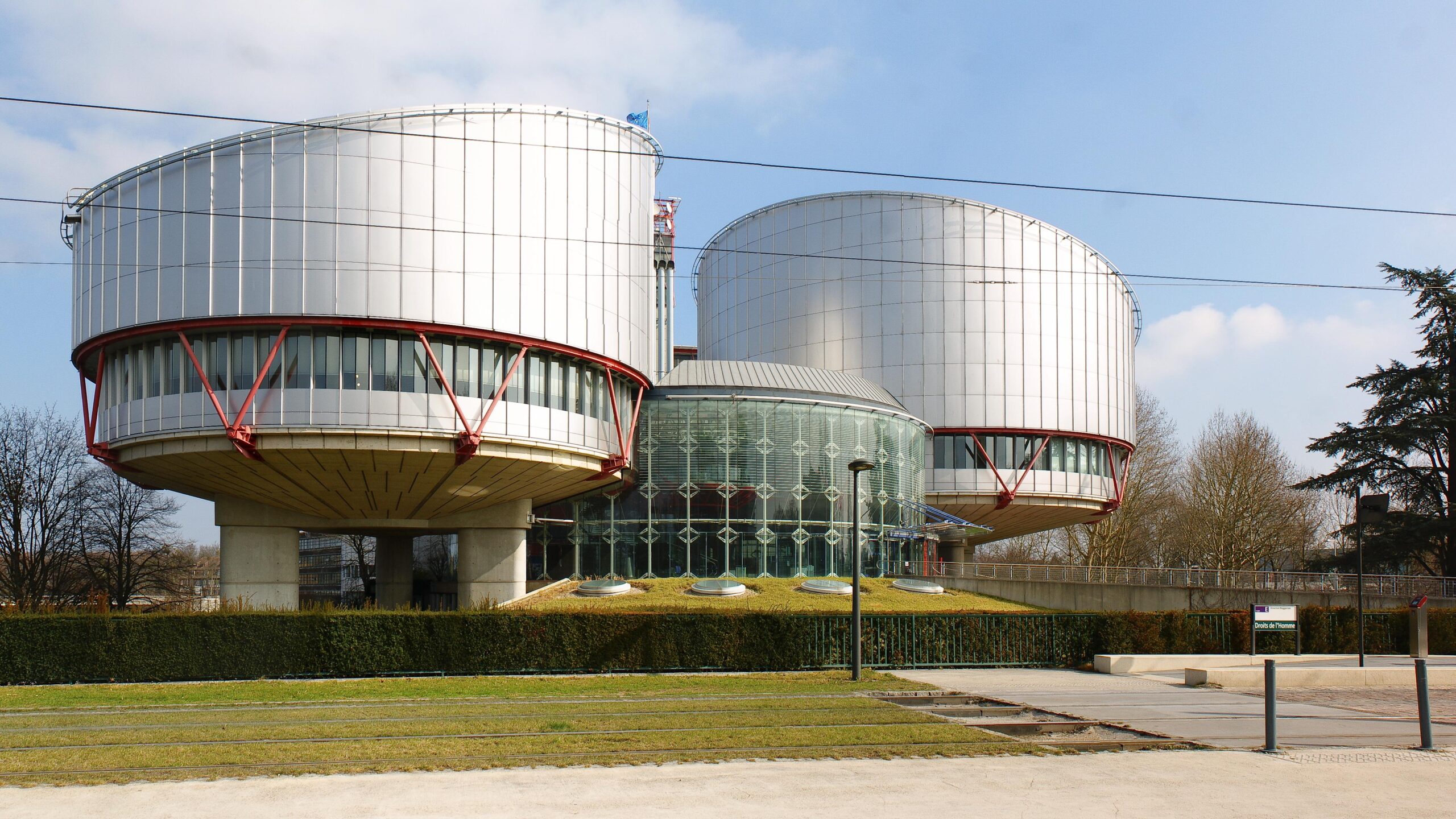
In a significant ruling that has drawn both support and concern, the Strasbourg court has upheld a controversial plan to bury waste that critics warn could pose risks to local aquifers. The decision comes amid rising apprehension over potential contamination of vital water sources, as environmental advocates raise alarms about the long-term implications for public health and ecological safety. As the debate intensifies, this ruling highlights the complex intersection of waste management, environmental protection, and regulatory oversight in the face of pressing sustainability challenges. With the court’s decision, stakeholders on all sides are now poised to navigate the next steps in this contentious issue, underscoring the ongoing struggle to balance developmental needs with environmental integrity.
Strasbourg Court Ruling: Balancing Waste Management and Environmental Protection
The recent ruling by the Strasbourg Court has sparked significant debate over the decision to allow the burial of waste, which is seen as a necessary solution for managing increasing refuse in the region. Proponents argue that this plan is essential for efficient waste management, providing a structured approach to tackling the growing disposal crisis. With the complexities of modern waste generation, stakeholders are emphasizing that engineered burial sites can mitigate the risks associated with traditional landfills, thereby presenting a pragmatic solution to environmental challenges. Key benefits include:
- Controlled disposal that minimizes the risk of unregulated dumping.
- Innovative technology employed to monitor potential contamination of surrounding resources.
- Job creation in waste management sectors, bolstering local economies.
However, the ruling has not been without its critics. Environmental activists express alarm over potential contamination of vital aquifers, arguing that the decision undermines long-term ecological health for short-term convenience. Concerns are mounting regarding the safeguards in place to prevent leachate from entering groundwater sources. Analysts fear that without stringent oversight, the delicate balance between waste management and environmental protection could be jeopardized. In light of these arguments, a comparative analysis of environmental risks and management strategies is necessary:
| Risk Factor | Mitigation Strategy |
|---|---|
| Groundwater contamination | Advanced leachate management systems |
| Public health threats | Regular monitoring and community engagement |
| Long-term land degradation | Post-closure site rehabilitation |
Implications of Aquifer Contamination: Understanding the Risks to Public Health
As the Strasbourg court backs the controversial waste burial plan, significant concern arises regarding the potential contamination of vital aquifers. The risks associated with aquifer contamination extend beyond environmental degradation; they pose severe threats to public health, particularly in regions reliant on these water sources for drinking water. Pollutants from buried waste can leach into the groundwater, introducing hazardous chemicals and pathogens that may lead to acute and chronic health issues among local populations. Ingestion of contaminated water can result in serious conditions such as gastrointestinal diseases, neurological disorders, and even potential long-term effects like cancer.
Moreover, the implications of such contamination can ripple through the community, affecting not just individual health but also public services. For instance, local healthcare systems may face increased burdens due to rising cases of waterborne illnesses and related healthcare costs. Potential socio-economic consequences include:
- Decreased property values due to public perception of pollution
- Strain on local healthcare resources and emergency services
- Loss of trust in public health authorities and regulatory agencies
In this context, it is imperative for stakeholders to consider both the immediate and long-term consequences of their decisions regarding waste management. The prioritization of public health and environmental integrity over short-term economic gains must be at the forefront of discussions surrounding waste disposal methods.
Community Response: Local Concerns Over Waste Burial Plan Implementation
As the implementation of the waste burial plan moves forward, residents are expressing mounting concerns about the potential risks to local water sources. Community forums have seen a surge in participation, with many attendees urging for a reassessment of the plan given the uncertainties surrounding aquifer contamination. Local environmental groups have voiced their fears that the project may lead to irreversible damage to one of the region’s most vital resources. A prominent spokesperson from a local advocacy group stated, “Protecting our water should be the top priority. We need transparency and assurances that our health won’t be compromised.”
In response to these fears, community leaders are collaborating to address the issues raised by residents. This includes the formation of a dedicated task force aimed at monitoring the situation. The task force will focus on:
- Regular water testing to ensure safety standards are met
- Community education regarding potential risks
- Engagement with environmental experts for ongoing assessments
Recent surveys indicate that over 70% of residents believe stricter regulations should be imposed on waste management practices. As discussions continue, the community remains vigilant, calling for action that balances waste disposal needs with environmental and public health safeguards.
Recommendations for Mitigating Environmental Impact in Future Projects
To address the environmental challenges associated with waste burial projects, stakeholders must prioritize sustainable practices from the onset. This can include implementing rigorous environmental assessments to analyze potential impacts on local ecosystems, particularly aquifers. Additionally, integrating innovative waste treatment technologies can significantly reduce contaminants before they reach landfills, thereby ensuring a lower risk of pollution. Engaging in community consultations is equally crucial, as local insights can help identify unique environmental concerns and foster transparency throughout the project lifecycle.
Moreover, future projects should adopt a robust monitoring framework that includes regular evaluations of groundwater quality surrounding waste sites. A structured accountability mechanism is essential for all stakeholders, reinforcing a commitment to environmental stewardship. Potential strategies for achieving this include:
- Utilizing advanced tracking systems for waste movement and composition.
- Establishing partnerships with environmental organizations for ongoing assessments.
- Incorporating adaptive management strategies to respond to unforeseen issues swiftly.
By focusing on these actionable recommendations, future waste management initiatives can better align with environmental protection goals and minimize adverse effects on vital resources.
Wrapping Up
In conclusion, the Strasbourg court’s decision to uphold the contentious waste burial plan marks a significant moment in the ongoing struggle between environmental concerns and local waste management strategies. While proponents argue that the plan is essential for addressing the region’s waste disposal needs, critics express valid fears over potential contamination of vital aquifers. As this situation develops, stakeholders on all sides will be closely monitoring the implications for public health and environmental integrity. The balancing act between modern waste management solutions and the preservation of natural resources continues to shape policy debates, as communities seek sustainable paths forward. The court’s ruling underscores the complexities of navigating these challenges, leaving many to ponder what this means for the future of waste management in Strasbourg and beyond.