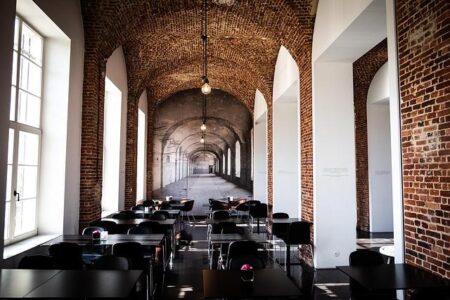
The France immersive live entertainment market is poised for significant growth over the next decade, driven by advancements in virtual and augmented reality technologies and a rising demand for experiential events. According to the latest report from Grand View Research, the industry is expected to transform the country’s cultural and entertainment landscape by 2033. This comprehensive market outlook highlights key trends, investment opportunities, and competitive dynamics shaping the future of immersive live entertainment in France, providing valuable insights for stakeholders and enthusiasts alike.
France Immersive Live Entertainment Market Trends Shaping the Future Experience
The immersive live entertainment scene in France is undergoing a dramatic transformation, driven by cutting-edge technologies and evolving consumer demands. Key trends include the integration of augmented reality (AR) and virtual reality (VR) to create multisensory experiences that captivate audiences beyond traditional settings. Additionally, local content creators are collaborating with international developers to elevate storytelling, bringing culturally rich narratives to immersive platforms. This approach not only enhances engagement but also broadens the appeal of live events to a more diverse demographic.
Sustainability and personalization have also surfaced as vital themes shaping the industry’s trajectory. Event organizers are increasingly incorporating eco-friendly practices while using data analytics to curate tailored experiences that resonate with individual preferences. The rise of hybrid events—combining in-person and virtual elements—is facilitating wider access without compromising the interactive essence of live entertainment. Below is a snapshot of notable factors influencing the market’s growth:
- Technological advancements: Real-time interactive platforms and AI-driven scenography
- Consumer trends: Demand for immersive, narrative-rich content and customizable experiences
- Market dynamics: Expansion of hybrid event formats and sustainable event production
- Regulatory environment: Policies promoting digital innovation and cultural heritage preservation
Detailed Analysis of Consumer Preferences and Technological Innovations Driving Growth
The shifting landscape of consumer preferences is pivotal in redefining the immersive live entertainment sector in France. Modern audiences increasingly seek multi-sensory experiences that blur the lines between virtual and physical realities, driving demand for more interactive and personalized content. This evolution is particularly evident in the rising popularity of mixed reality events, where augmented reality (AR) and virtual reality (VR) converge to create dynamic storytelling environments. As a result, entertainment providers are expanding beyond traditional formats to incorporate hybrid models that combine live performances with digital enhancements, offering greater accessibility and engagement.
Technological innovation remains the cornerstone of growth, fostering advancements that cater to these evolving consumer tastes. Breakthroughs in AI-powered content customization, 5G-enabled streaming, and real-time data analytics enable producers to deliver seamless, immersive experiences at scale. Key drivers include:
- Enhanced VR and AR hardware with improved comfort and realism
- Spatial audio technologies enriching sensory immersion
- Blockchain applications facilitating secure ticketing and fan interaction
| Technology | Impact on Market | Consumer Benefit |
|---|---|---|
| AI-Powered Personalization | Tailored content delivery | Unique experience for each attendee |
| 5G Connectivity | Low-latency streaming | Seamless real-time interactions |
| Blockchain Ticketing | Fraud reduction and secure access | Enhanced trust and convenience |
Challenges and Opportunities for Industry Stakeholders in the Emerging Market Landscape
As the immersive live entertainment market in France evolves, industry stakeholders face a complex mix of challenges and opportunities. Powerhouses in event production and technology must navigate increasing costs associated with cutting-edge VR and AR implementations while ensuring accessible pricing for broad audience engagement. Additionally, fluctuating regulatory frameworks around data privacy and public health create unpredictability, forcing agile adaptation strategies. These pressures are compounded by shifting consumer preferences, with millennials and Gen Z audiences demanding hyper-personalized, multisensory experiences that blur the lines between digital and physical reality.
However, the dynamic market landscape also unlocks unique possibilities for innovators and investors alike. Enhanced partnerships between tech developers, creative studios, and venue operators are fostering a new era of collaborative content creation and distribution. Key growth drivers include:
- Adoption of AI-powered audience analytics to optimize show formats and marketing
- Expansion of location-based entertainment hubs blending immersive storytelling and gaming
- Integration of blockchain for secure ticketing and fan engagement platforms
Embracing these trends can position stakeholders at the forefront of a market projected to exceed €2 billion by 2033, presenting a lucrative frontier amid significant and ongoing transformation.
| Challenge | Opportunity |
|---|---|
| High investment costs for immersive technology | Development of scalable, modular platforms |
| Regulatory uncertainties in data and health | Innovative compliance-driven business models |
| Rapidly changing consumer preferences | AI-driven customization and real-time feedback |
Strategic Recommendations for Investors and Creators to Maximize Market Potential
To capitalize on the burgeoning immersive live entertainment market in France, stakeholders must focus on innovative content creation and strategic partnerships. Investors should prioritize funding projects that integrate advanced technologies such as augmented reality (AR), virtual reality (VR), and mixed reality (MR) to heighten audience engagement. Collaborating with local artists and tech startups can foster unique experiences that resonate deeply with French cultural sensibilities, enhancing consumer loyalty and market penetration. Additionally, expanding into secondary cities beyond Paris offers untapped potential for audience growth, leveraging the rising demand for experiential entertainment nationwide.
Creators must strategically harness data analytics and audience insights to tailor immersive experiences that meet evolving consumer preferences. Adapting storytelling techniques to immersive formats and emphasizing interactive elements are vital trends shaping future success. The following table outlines critical focus areas and actionable strategies that can significantly impact market success:
| Focus Area | Key Strategy | Expected Outcome |
|---|---|---|
| Technology Integration | Incorporate AR/VR/MR tools | Enhanced user engagement and differentiation |
| Partnerships | Collaborate with local talent & tech startups | Unique content reflecting cultural nuances |
| Market Expansion | Develop offerings for secondary cities | Broaden consumer base and revenue streams |
| Data-Driven Content | Use analytics to tailor experiences | Higher audience retention and satisfaction |
Insights and Conclusions
In conclusion, the France immersive live entertainment market is poised for significant growth through 2033, driven by advancements in technology and evolving consumer preferences. As stakeholders continue to invest in innovative experiences, the sector is expected to reshape the entertainment landscape, offering increasingly engaging and interactive events. Market participants will need to closely monitor emerging trends and adapt to shifting demands to capitalize on the expanding opportunities. With its rich cultural heritage and strong technological infrastructure, France remains well-positioned to lead the immersive live entertainment revolution in the coming decade.