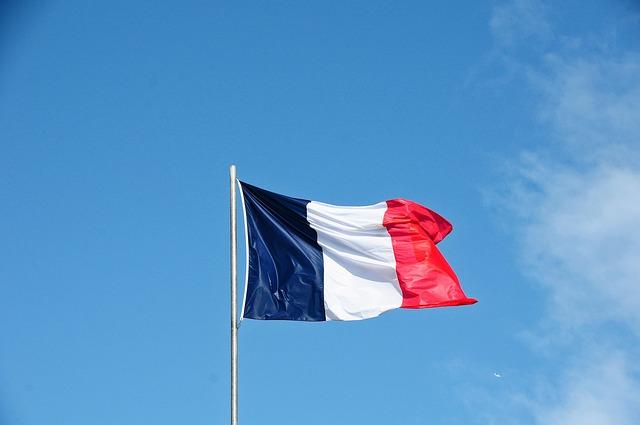
In a poignant ceremony marking the ten-year anniversary of the tragic death of Father Jacques Hamel, President Emmanuel Macron paid tribute to the French priest who was killed by Islamic extremists in July 2016. The solemn event, held at the site of the priest’s assassination in Saint-Étienne-du-Rouvray, brought together local officials, clergy, and members of the community to honor Hamel’s legacy and reaffirm France’s commitment to combating religious extremism. As tensions surrounding religious freedom continue to rise globally, Macron’s remarks resonate deeply, highlighting the ongoing struggle against violence in the name of faith and the importance of unity in the face of division.
Macron Honors Legacy of Father Jacques Hamel in Commemoration Ceremony
In a poignant tribute to Father Jacques Hamel, who lost his life in a heinous act of violence a decade ago, President Emmanuel Macron attended a commemoration ceremony at the site of the tragedy. This solemn event honored the legacy of the 85-year-old priest, who was brutally murdered while celebrating Mass in Normandy by Islamic extremists. Macron emphasized the essential values that Father Hamel embodied, encouraging unity and resilience among the French people in the face of terrorism.
The ceremony also highlighted the ongoing struggle against extremism, with Macron urging citizens to remain steadfast in their commitment to freedom of religion and expression. He remarked, “We are here to reaffirm our love for life and our determination to fight hatred,” inspiring those in attendance to uphold the memory of Father Hamel through acts of kindness and solidarity. Among the attendees were local leaders and members of the clergy, who shared reflections on Hamel’s dedication and compassion, reminding the world that his martyrdom serves as both a tragedy and a call to action against intolerance.
| Date of Incident | Location | Key Aspects |
|---|---|---|
| July 26, 2016 | Saint-Étienne-du-Rouvray, Normandy | Brutal murder during Mass |
- Father Hamel’s Legacy: Advocated for peace and interfaith dialogue.
- Commemoration Goals: Unite communities against extremism.
- Macron’s Message: Encouragement to combat hatred with love.
Reflections on Religious Freedom and Extremism in Contemporary France
In the backdrop of a nation grappling with its identity, the commemoration of a priest’s tragic loss highlights the complexities surrounding religious freedom in France. President Macron’s attendance at the memorial reinforces a pivotal discourse on the need for unity against extremism. As France continues to confront the ramifications of radical ideologies, the intersection of faith and freedom becomes increasingly relevant. Debate intensifies regarding where to draw the line between protecting individual rights and ensuring the safety of all citizens. Addressing these challenges requires a delicate balance, fostering dialogue over division to counteract the pull of extremist narratives.
Moreover, the ongoing tensions have sparked initiatives aimed at promoting a greater understanding of diverse religious practices while reinforcing secularism’s role in society. Local communities and religious groups are urged to come together to combat not only manifestations of extremism but also the societal divides that can lead to them. Key components of these initiatives include:
- Educational programs that emphasize the value of intercultural dialogue
- Community outreach to foster positive relationships among different faiths
- Support networks for victims of religiously motivated violence
Ultimately, addressing the root causes of these tensions is essential for fostering a climate of coexistence and respect, essential for a truly pluralistic society.
Community Responses: Strengthening Interfaith Dialogue and Solidarity
In the wake of the tragic loss of Father Jacques Hamel, a wave of interfaith initiatives has emerged, reinforcing the resolve of communities to combat extremism and promote understanding. Local religious leaders from various faiths have united to hold vigils and discussions, fostering a shared commitment to peace. These gatherings serve as a potent reminder that, amidst grief, solidarity thrives. Participants are encouraged to engage in dialogues that emphasize respect and tolerance, highlighting key themes such as:
- Community Engagement: Joint service projects that facilitate interaction among different faith groups.
- Educational Programs: Workshops aimed at dispelling myths about various religions, promoting a culture of knowledge.
- Support Networks: Initiatives that connect individuals who have experienced religious discrimination, offering resources for healing and resilience.
As commemoration events unfold across France, the collective response of diverse communities echoes a strong message against hate. Moreover, these collaborations stress the importance of shared values in overcoming division. A recent interfaith conference highlighted this collaboration, showcasing dialogues that included representatives from Catholic, Muslim, Jewish, and secular perspectives. The table below summarizes key outcomes from the conference:
| Outcome | Description |
|---|---|
| Strengthened Ties | Increased partnerships among religious organizations to support community services. |
| Educational Outreach | Launch of a program targeting school children to promote interfaith understanding. |
| Public Statements | Joint declarations condemning violence and promoting peace. |
Recommendations for Policy Changes to Address Religious Violence and Hate Crimes
To effectively combat religious violence and hate crimes, policymakers should consider a multi-faceted approach that integrates community engagement, education, and law enforcement reform. First, implementing educational programs that promote interfaith dialogue can help cultivate mutual understanding and respect among different religious communities. These initiatives can be orchestrated in schools, community centers, and through local religious organizations to foster a culture of tolerance from an early age.
Additionally, law enforcement agencies must receive training focused on identifying and responding to hate crimes more effectively. This includes creating specialized task forces that work in collaboration with community leaders and organizations dedicated to combating extremism. Finally, establishing a clear framework for reporting and addressing hate crimes can empower victims and encourage the public to stand against intolerance. Below is a proposed strategy table that outlines essential policy areas and recommendations:
| Policy Area | Recommendation |
|---|---|
| Education | Develop interfaith dialogue programs |
| Law Enforcement | Provide training on hate crime detection |
| Community Engagement | Empower local leaders to facilitate discussions |
| Reporting Mechanisms | Create streamlined channels for victims |
The Way Forward
In the wake of this solemn commemorative event, President Macron’s remarks serve as a poignant reminder of the ongoing challenges posed by extremism and the enduring spirit of resilience within French society. As the nation reflects on the sacrifice of Father Jacques Hamel, his legacy continues to inspire dialogues on faith, tolerance, and the fundamental values of the Republic. The tragic incident that occurred a decade ago not only underscored the vulnerabilities faced by religious communities but also galvanized collective efforts to foster understanding and solidarity. As France moves forward, the memories of those lost to violence will remain a critical touchstone in the nation’s pursuit of harmony and security amidst a complex global landscape.