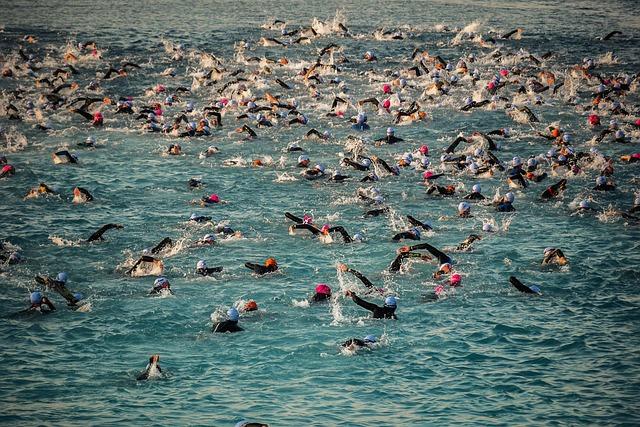
IRONMAN Cancels Nice Races Amidst Health Concerns Over Scorching Temperatures
In a striking decision that underscores the growing impact of climate conditions on sporting events, IRONMAN has announced the cancellation of its much-anticipated races in Nice, France, originally scheduled for this weekend. The organization cited soaring temperatures as a significant health risk to participants, prompting extensive discussions around athlete safety in extreme weather. This move comes as global temperatures continue to rise, raising alarms within the sports community about the viability of outdoor events in increasingly harsh environments. As competitors and fans express their disappointment, the cancellation serves as a stark reminder of the unforeseen challenges posed by climate change in the world of endurance sports.
Impact of Extreme Heat on Athletic Competitions
The cancellation of the IRONMAN races in Nice underscores the growing concern surrounding athlete safety amidst record-breaking temperatures. Extreme heat not only poses serious health risks but can also drastically affect performance levels. Athletes are at an increased risk of dehydration, heat exhaustion, and heat stroke when competing in such conditions. To address these concerns, event organizers are reassessing heat management protocols, emphasizing the importance of acclimatization and hydration strategies in training regimens prior to competitions.
Moreover, the impact of high temperatures extends beyond just physical health; it can alter race logistics and participant morale significantly. Events may experience a decline in registration numbers as potential competitors weigh their safety against the challenge of scorching weather. As a response to the growing threat of climate change, sporting bodies might need to implement stricter guidelines regarding temperature thresholds for competition. The following table summarizes the key health risks and recommended preventative measures:
| Health Risk | Preventative Measure |
|---|---|
| Dehydration | Regular fluid intake, electrolyte balance |
| Heat Exhaustion | Frequent breaks in shaded areas |
| Heat Stroke | Monitoring body temperature |
Health Risks Associated with High Temperatures for Triathletes
The recent cancellation of the IRONMAN races in Nice underscores the serious health risks posed by extreme heat conditions, particularly for triathletes. As temperatures soar, athletes are at heightened risk for heat exhaustion and heat stroke, both of which can lead to significant health complications. The combination of rigorous physical exertion under a blazing sun and inadequate hydration can strain the body’s thermoregulation system, making it crucial for competitors to prioritize their safety. Here are some of the main risks associated with high temperatures:
- Dehydration: Loss of fluids can impair performance and lead to fatigue.
- Heat Cramps: Muscle spasms can occur due to electrolyte imbalance.
- Heat Exhaustion: Symptoms may include heavy sweating, weakness, and headache.
- Heat Stroke: A severe condition that can lead to organ failure if not treated promptly.
With the risks clearly outlined, it becomes essential for athletes to adopt strategies to mitigate these dangers. Planning for adequate hydration, wearing breathable clothing, and adjusting training schedules to cooler times of the day are critical actions that should be taken. Additionally, competitors need to recognize the signs of heat-related illness early, allowing quick responses that could save their physical health. Below is a summary of effective strategies to combat heat stress:
| Strategy | Description |
|---|---|
| Hydration | Ensure fluid intake well before, during, and after exercise. |
| Cooling Techniques | Use ice packs or cool towels during breaks. |
| Adjust Training | Modify training intensity and duration based on temperature. |
| Monitor Body Signals | Pay attention to early signs of heat illness. |
Response Strategies for Event Organizers in Heat Management
In light of increasing temperatures impacting event safety, organizers must prioritize the well-being of participants. Implementing comprehensive heat management strategies can significantly mitigate health risks associated with extreme weather. Some effective practices include:
- Pre-Event Briefings: Inform participants about heat risks and hydration practices prior to the race day.
- Cooling Stations: Set up designated areas along the route where athletes can cool down with misting systems or ice baths.
- Flexible Cut-off Times: Adjust race times based on real-time temperature readings to protect participants from excessive heat exposure.
Additionally, collaboration with local health authorities and weather services can enhance preparedness. A response plan should be clearly outlined, ensuring that all staff and volunteers are trained to handle heat-related emergencies. This can include:
| Element | Action |
|---|---|
| Medical Support | Increase the number of medical personnel on-site |
| Hydration Stations | Provide extra water and electrolyte stations |
| Communication | Use social media and digital signage to relay updates |
Recommendations for Athletes Training in Scorching Conditions
Training in scorching temperatures can pose serious health risks for athletes, especially those preparing for endurance events like triathlons. To ensure safety and maintain performance, consider implementing these strategies during extreme heat:
- Hydration: Increase water intake and consider electrolyte solutions to replenish lost minerals.
- Timing: Schedule training sessions for early morning or late evening when temperatures are cooler.
- Clothing: Wear lightweight, breathable fabrics that wick moisture away from the body.
- Acclimatization: Gradually increase the intensity and duration of workouts in the heat to allow your body to adjust.
- Monitoring: Keep track of body temperature and heart rate, and be prepared to reduce intensity or stop training if necessary.
Furthermore, athletes should familiarize themselves with signs of heat-related illnesses to act quickly if symptoms arise. Below is a simple table outlining common signs and recommended actions:
| Symptoms | Recommended Action |
|---|---|
| Heavy sweating, clammy skin | Move to a cooler area and hydrate |
| Nausea or vomiting | Stop activity and seek medical help if persistent |
| Dizziness or fainting | Lay down, elevate legs, and rehydrate |
| Confusion or altered consciousness | Call for emergency assistance immediately |
In Conclusion
In conclusion, the unprecedented decision by IRONMAN to cancel the Nice races underscores the growing impact of extreme weather conditions on sporting events. With athlete health and safety paramount, this cancellation serves as a stark reminder of the challenges faced in endurance sports. As temperatures continue to rise globally, organizers will need to adapt strategies to safeguard competitors while maintaining the integrity of these iconic competitions. The triathlon community now looks ahead, hoping for a swift return to racing as athletes and fans alike navigate this evolving landscape. Stay tuned for updates on future events and measures being taken to ensure safe experiences for all involved.