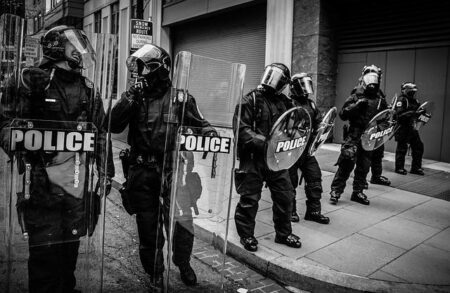
French authorities have launched a sweeping crackdown on so-called “free parties,” unauthorized electronic music gatherings that have proliferated across the country. The government’s toughened stance, framed as a move to restore public order and safety, has ignited a heated debate over the regulation and control of public spaces. As communities and partygoers clash over the right to assemble and celebrate, questions arise about balancing freedom of expression with law enforcement priorities. This article examines the roots of the crackdown, its impact on France’s cultural landscape, and the broader implications for public space governance.
France Faces Backlash Over Free Party Crackdown and Public Space Regulations
Across France, authorities’ intensified measures to regulate “free parties” — unauthorized electronic music gatherings often held in open public areas — are fueling a contentious debate about civil liberties and urban governance. Advocates argue that these crackdowns disproportionately target youth culture and undermine the inclusive use of communal spaces. Meanwhile, officials justify the policies by citing noise complaints, public safety concerns, and environmental degradation, highlighting a growing tension between maintaining public order and preserving cultural expression.
Key points fueling the backlash include:
- Increased police interventions and heavy fines imposed on party organizers and attendees.
- New regulations restricting access to public parks and disallowing large unpermitted gatherings.
- Community divisions as residents debate the impact of free parties on neighborhood tranquility versus their cultural significance.
| Stakeholder | Position | Main Concern |
|---|---|---|
| Youth & Party Organizers | Opposition | Freedom to gather and express culture |
| Local Authorities | Supportive | Public safety and order |
| Residents | Divided | Noise vs. cultural vibrancy |
Analyzing the Impact on Cultural Expression and Youth Communities
The recent clampdown on free parties in France has sparked a profound conversation about the preservation of cultural expression among young people. These gatherings, often characterized by their underground electronic music and autonomous spirit, represent more than just social events—they are a critical outlet for youth creativity and alternative cultural identity. Critics argue that restricting these parties limits not only the freedom of assembly but also curtails the ability of young communities to shape and reclaim public spaces on their own terms, posing risks to cultural diversity.
Key points emerging from the debate include:
- Youth communities view free parties as essential spaces for artistic innovation and social bonding.
- Authorities emphasize concerns over noise, safety, and unauthorized use of public areas.
- The tension highlights broader questions of who holds the right to public spaces and how cultural narratives are controlled.
| Stakeholder | Perspective | Implications |
|---|---|---|
| Youth and Party Organizers | Advocate for freedom to create and gather outside mainstream venues | Risk of cultural suppression and loss of independent art scenes |
| Local Authorities | Focus on public order, security, and legal compliance | Justify restrictions to ensure safety but face criticism of overreach |
The situation remains a flashpoint for discussions on how societies balance order with cultural freedoms, especially in spaces where youth culture thrives. The debate over free parties in France exemplifies the challenges in negotiating public space usage amid evolving cultural dynamics and governance priorities.
Balancing Public Order and Freedom of Assembly in Urban Spaces
Recent police interventions targeting unauthorized “free parties” in French cities have sparked a fierce debate about the limits of state control over public spaces. Authorities justify crackdowns as necessary to maintain public order, citing concerns over noise pollution, safety regulations, and public health. However, opponents argue these measures risk eroding fundamental rights, especially the freedom of assembly and expression. The tension reveals a broader struggle over how urban environments are regulated and who gets to define the balance between control and liberty.
The controversy is further complicated by the rising demand from citizens to reclaim urban spaces for communal and creative uses. Stakeholders, including civil rights groups and event organizers, emphasize that the enforcement approach often lacks dialogue and transparency. The government’s challenge lies in crafting policies that respect both public safety and cultural vibrancy. Below is a snapshot of key viewpoints shaping the debate:
- Government: Emphasizes law enforcement to prevent disturbances and ensure public safety.
- Civil Liberties Advocates: Warn against disproportionate restrictions on assembly rights.
- Event Organizers: Call for designated spaces and permits to allow safer, legal gatherings.
| Aspect | Public Order Viewpoint | Freedom of Assembly Viewpoint |
|---|---|---|
| Noise | Disturbance to local residents must be minimized | Acceptable in limited, controlled contexts |
| Safety | Strict regulation essential to avoid accidents | Encourages self-regulation and community trust |
| Access | Public spaces require oversight for security reasons | Spaces should be accessible for spontaneous expression |
Recommendations for Inclusive Dialogue and Policy Reform
Creating an environment where all voices are heard necessitates open forums that foster mutual respect and inclusivity. Authorities and community leaders should prioritize dialogue over enforcement, encouraging participatory approaches that bring together diverse stakeholders—from young partygoers to local residents and law enforcement officials. By engaging in transparent conversations, the government can better address underlying social dynamics and concerns, moving beyond a purely punitive stance. This approach would acknowledge the importance of public spaces as platforms for cultural expression while addressing issues like safety and noise control through cooperative problem-solving.
Policy reform must also embrace flexibility and adaptability, incorporating innovative models such as community-led event permits or designated zones that balance celebration with public order. Such frameworks should be underpinned by clear guidelines that respect civil liberties and promote social cohesion. Below is a summary of key recommendations for inclusive reform:
| Recommendation | Impact |
|---|---|
| Multi-stakeholder Dialogues | Greater trust & understanding |
| Community-led Permit Systems | Empowerment & accountability |
| Designated Celebration Zones | Conflict reduction & cultural preservation |
| Transparency in Enforcement Policies | Enhanced legitimacy & fairness |
To Conclude
As France intensifies its crackdown on unauthorized “free parties,” the debate over control and use of public spaces is becoming increasingly polarized. While authorities emphasize public order and safety, supporters of these events warn against the erosion of cultural freedoms and grassroots expression. This contentious clash reflects broader questions about the balance between regulation and personal liberty in contemporary urban life, a discourse that is likely to continue as French society navigates the complexities of public space governance.