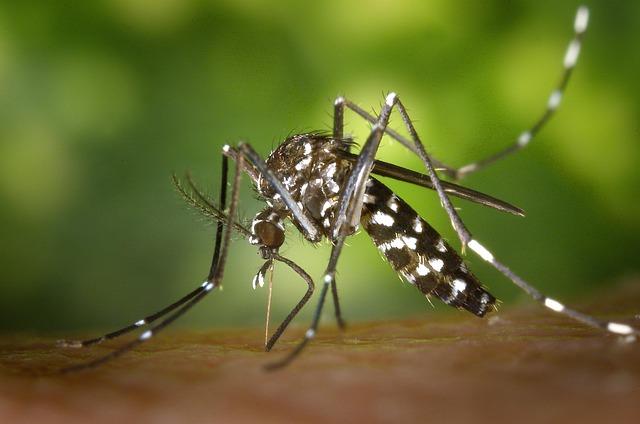
Why Are Some People Mosquito Magnets? Clues Are Emerging
As summer nights draw many outdoors, the buzzing sound of mosquitoes can quickly turn a pleasant evening into an itch-filled ordeal. For some individuals, however, these pests seem particularly drawn to them, leaving them with a disproportionate number of bites compared to others. Recent studies reveal that this phenomenon is not merely a matter of luck, but rather a complex interplay of genetics, skin chemistry, and even diet. As researchers delve deeper into the science behind this unsettling attraction, findings are beginning to shed light on the mechanisms that make certain people more appealing to these relentless insects. In this article, we explore the latest insights and what they could mean for those who find themselves perpetually on the mosquito menu.
The Science Behind Mosquito Attraction Revealed
Recent research has shed light on why certain individuals seem to attract mosquitoes more than others. This phenomenon can be attributed to a variety of factors, including body heat, carbon dioxide emissions, and skin chemicals. Studies indicate that mosquitoes are drawn to people with higher body temperatures, as warmth signals potential food sources. Those who exhale more carbon dioxide—often larger individuals or pregnant women—also find themselves more frequently in the crosshairs of these unwelcome pests. Additionally, natural skin odors play a significant role; certain bacteria on the skin can produce scents that are particularly appealing to mosquitoes.
Interestingly, genetic factors may also influence susceptibility to mosquito bites. Research indicates that specific blood types, particularly type O, might be more attractive to these insects. An array of other elements, such as diet and clothing color, further complicate this equation. For instance, wearing dark colors is thought to increase visibility to mosquitoes, while some foods, like bananas, can emit fruity odors that attract them. Moreover, environmental factors—such as body odor enhanced by exercise—create an intricate web of attributes that can mark one as a “mosquito magnet.” Understanding these variables could pave the way for improved repellents and preventive strategies.
Genetic Factors that Make Certain Individuals More Appealing
The phenomenon of certain individuals attracting more mosquitoes than others can largely be attributed to genetic factors that influence how we emit certain odors. Research indicates that variations in genes responsible for the immune system and skin type can play a significant role in making some people more appealing to these pests. For instance, individuals with specific major histocompatibility complex (MHC) genes may produce distinctive scents that are particularly attractive to female mosquitoes, as they are drawn to the unique combinations of fatty acids and other compounds found on the skin.
In addition to genetic factors, the amount of body heat and carbon dioxide emitted also differ among individuals due to genetic predispositions. This phenomenon can be illustrated as follows:
| Factor | Genetic Influence |
|---|---|
| MHC Genes | Certain combinations increase attractiveness |
| Skin Microbiome | Affects the chemical scent profile |
| Body Temperature | Genetics influence metabolic rate |
| Carbon Dioxide Emission | Varies due to body size, which is often genetically determined |
Understanding these genetic influences not only sheds light on why some individuals attract more mosquitoes but also opens avenues for potential interventions. By targeting specific genetic markers or modifying our environments, we may find ways to reduce the nuisance and health risks posed by mosquito bites, ensuring a more comfortable outdoor experience for everyone.
Environmental Influences on Mosquito Preferences
Recent research reveals that a variety of environmental factors play a crucial role in determining mosquito preferences for their human hosts. These influences can include a range of conditions, from carbon dioxide levels to temperature and even the surrounding flora. For instance, it has been shown that an increase in carbon dioxide production, which occurs naturally when a person exhales, significantly attracts mosquitoes. This is particularly notable in settings with warm temperatures and high humidity, creating an ideal environment for these pests to thrive.
Moreover, the unique combination of skin bacteria and body chemistry can also be altered by the environment, further attracting mosquitoes. Factors such as diet, exercise, and even the use of certain perfumes can impact the chemical signals emitted by our skin. A recent study provided insight into how specific scents derived from botanical sources can repel or attract mosquitoes, depending on their natural predispositions. The table below summarizes some of these environmental influences:
| Environmental Factor | Effect on Mosquito Attraction |
|---|---|
| Carbon Dioxide | Increases attraction |
| Temperature | Optimal warmth enhances activity |
| Skin Bacteria | Alters scent profile |
| Floral Scents | Can repel or attract |
Effective Strategies to Reduce Mosquito Bites for Everyone
Reducing mosquito bites is crucial for everyone, especially for those who seem to attract these pests more than others. Implementing certain strategies can significantly lower your risk. First and foremost, wearing appropriate clothing can make a difference. Opt for long sleeves and pants in lighter colors, as mosquitoes are drawn to darker hues. Additionally, using mosquito repellents containing DEET or natural alternatives like lemon eucalyptus oil can create a protective barrier. It’s also beneficial to avoid peak biting times, typically dawn and dusk, when these insects are most active.
Environmental factors play a key role in mosquito presence, and managing these can help reduce bites. Eliminating standing water around your home is essential, as stagnant water serves as a breeding ground. Regularly check and clear out items like bird baths, gutters, and plant pots. Moreover, introducing natural predators—like bats and certain fish species—can assist in controlling mosquito populations in your vicinity. Consider planting mosquito-repellent flora such as marigolds or lavender in gardens, creating not only a barrier but also a pleasant surrounding.
Future Outlook
In conclusion, the question of why some individuals attract mosquitoes more than others is gradually being unraveled through scientific inquiry. Factors such as body chemistry, genetics, and even diet appear to play significant roles in determining who becomes a ‘mosquito magnet.’ As researchers continue to explore these intriguing connections, we may find effective ways to mitigate these pesky bites. Understanding the nuances behind mosquito attraction not only has implications for personal comfort but also for public health strategies. As we move forward, staying informed about these emerging insights will be crucial in enhancing our defenses against these relentless pests.