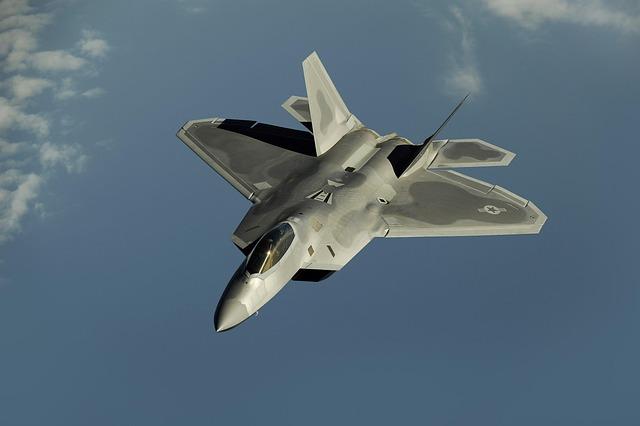
France is contemplating the establishment of a new security force in southern Lebanon following the conclusion of the United Nations Interim Force in Lebanon (UNIFIL) mandate, according to a senior French envoy. The proposal comes amid ongoing concerns over stability and security along the Lebanese border with Israel, as regional tensions persist. This development signals France’s heightened involvement in supporting Lebanon’s fragile security architecture and reflects broader international efforts to maintain peace in this volatile area.
France evaluates new security framework for southern Lebanon following Unifil mandate expiry
France is actively exploring options to maintain stability and security in southern Lebanon after the United Nations Interim Force in Lebanon (Unifil) mandate concludes. French diplomatic officials have indicated ongoing discussions with both regional partners and Lebanese authorities to establish a successor security framework capable of addressing emerging threats along the volatile border area. This initiative underscores France’s commitment to supporting Lebanese sovereignty while mitigating risks such as cross-border tensions and illicit arms flows, which have historically challenged peacekeeping efforts in the region.
Key elements under consideration include:
- Deployment of a new multinational force with enhanced monitoring capabilities
- Strengthening intelligence-sharing mechanisms among regional stakeholders
- Capacity-building programs aimed at Lebanese security forces to ensure sustainable local enforcement
- Enhanced coordination with UN bodies to maintain an international presence and neutrality
| Aspect | Current Status | Proposed Enhancement |
|---|---|---|
| Force Composition | Predominantly UN troops | Multinational coalition including regional contributors |
| Operational Scope | Monitoring ceasefire lines | Expanded to border security and counter-smuggling |
| Local Training | Limited engagement | Comprehensive security capacity-building |
Challenges and strategic considerations in establishing a post-Unifil peacekeeping force
The transition from the UN Interim Force in Lebanon (UNIFIL) to a new peacekeeping arrangement poses significant security, political, and logistical challenges for any prospective force. Key considerations include ensuring continuity of operations to prevent power vacuums, maintaining neutrality amid regional tensions, and developing robust intelligence capabilities to respond swiftly to evolving threats. France’s envoy highlighted the importance of close cooperation with local stakeholders, including the Lebanese Armed Forces, to preserve stability and avoid escalation between Israel, Hezbollah, and other actors in the volatile southern Lebanon corridor.
Strategic planning must also address operational readiness factors such as troop deployment, rules of engagement, and sustainable funding mechanisms. The proposed post-UNIFIL force would require a clear mandate that balances peace enforcement with humanitarian support, alongside stringent accountability measures to uphold international law. Key considerations include:
- Multinational composition: Building a diverse coalition to enhance legitimacy and share operational burdens.
- Integrated intelligence: Employing advanced surveillance and local informant networks to detect early signs of conflict.
- Community engagement: Establishing trust with local populations to foster cooperation and information flow.
- Legal framework: Ensuring clear operational guidelines consistent with UN mandates and host nation sovereignty.
| Challenge | Strategic Response |
|---|---|
| Regional actor interference | Strict neutrality and diplomatic engagement |
| Rapid escalation risks | Flexible and adaptable rules of engagement |
| Resource constraints | International funding and multilateral support |
| Local mistrust | Community liaison officers and transparency |
Diplomatic perspectives on regional stability and France’s role in Lebanon’s security landscape
France remains deeply engaged in Lebanon’s security dynamics, particularly in southern regions historically monitored by the UNIFIL peacekeeping force. Paris envisions a multilateral approach to sustain regional stability, driven by concerns over rising tensions and the potential vacuum that UNIFIL’s withdrawal could create. French diplomats stress the importance of a comprehensive security framework that involves not just international actors but also local stakeholders, aiming to prevent escalation and promote dialogue among conflicting parties.
Key elements of France’s diplomatic strategy include:
- Strengthening regional cooperation: Enhancing ties with neighboring countries to ensure collective security efforts.
- Supporting Lebanese sovereignty: Advocating for more robust Lebanese state institutions to play a central role in security enforcement.
- Facilitating international collaboration: Coordinating with the UN, EU, and Arab League to design a post-UNIFIL security architecture.
| Aspect | France’s Proposed Role | Potential Challenges |
|---|---|---|
| Military Presence | Limited advisory and training missions | Balancing neutrality amid regional rivalries |
| Political Engagement | Facilitating dialogue between Lebanese factions | Complex sectarian dynamics |
| Regional Coordination | Partnerships with neighboring states and international bodies | Varying strategic interests among stakeholders |
Policy recommendations for effective international collaboration and sustainable peace efforts
To strengthen international collaboration in volatile regions like southern Lebanon, it’s crucial to adopt a multifaceted approach involving diverse stakeholders. Key strategies include:
- Enhancing intelligence-sharing frameworks among UN-mandated forces and host nations
- Supporting capacity-building initiatives for local security agencies to foster ownership and accountability
- Promoting diplomatic engagement through regional dialogues to address underlying political tensions
- Integrating humanitarian assistance with security mandates to build community trust and resilience
Moreover, ensuring sustainability in peace efforts requires a balance between military presence and civil governance. The table below outlines critical components for effective peace operations, emphasizing cooperation and adaptability:
| Component | Objective | Impact |
|---|---|---|
| Joint Training | Improve coordination and interoperability | Enhanced mission effectiveness |
| Conflict-sensitive Planning | Mitigate risks of escalation | Reduced civilian harm |
| Local Engagement | Secure community support | Increased stability and legitimacy |
| Regular Monitoring | Assess and adapt strategies | Long-term mission success |
Wrapping Up
As discussions continue over the potential deployment of a post-UNIFIL security force in southern Lebanon, France’s role remains a focal point amid growing regional complexities. The outcome of these deliberations could significantly impact stability along the Lebanese border and influence broader international efforts to maintain peace in the area. Observers will be closely watching how diplomatic negotiations unfold in the coming weeks, as stakeholders seek to balance security concerns with the delicate political dynamics on the ground.