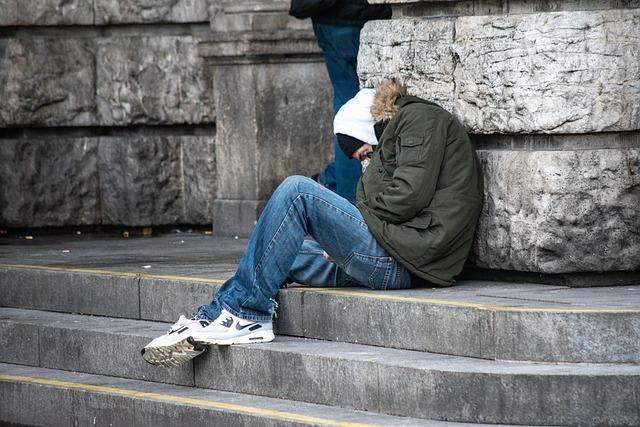
Despite France’s longstanding commitment to educational equality, a recent report reveals that social inequality continues to profoundly affect French students, challenging the country’s egalitarian image. While the French education system is often celebrated for its universal access and meritocratic principles, deep-rooted disparities persist, influencing academic outcomes and future opportunities. This article examines the latest findings and explores how socioeconomic factors still shape educational experiences in France, shedding light on the gap between the nation’s egalitarian “façade” and the realities faced by many students.
Persistent Social Divide Shapes Student Experiences in French Education
Despite policies promoting equal opportunity, French schoolchildren’s academic journeys remain deeply influenced by their socio-economic backgrounds. Research shows that students from wealthier families consistently outperform those from disadvantaged households, highlighting structural barriers that persist beneath the system’s official claims of equity. These disparities manifest not only in exam results but also in access to advanced courses, extracurricular activities, and quality resources—elements critical to long-term educational success.
Key factors contributing to this divide include:
- Residential zoning that limits access to prestigious schools for lower-income students
- Limited availability of tutoring and enrichment programs outside of school hours
- Teacher expectations and biases that hinder the progress of marginalized pupils
| Social Background | Average Baccalauréat Pass Rate | Participation in After-School Programs |
|---|---|---|
| High-Income Families | 92% | 78% |
| Middle-Income Families | 81% | 54% |
| Low-Income Families | 62% | 26% |
These statistics underscore the enduring challenges in achieving true educational equality in France. Analysts warn that without targeted reforms—such as enhanced support for underprivileged students and measures to combat systemic bias—the “egalitarian façade” will continue to mask significant social inequities shaping student experiences from early schooling through university entry.
Unequal Access to Resources Undermines Promise of Equal Opportunity
Despite official rhetoric championing equal access to education, disparities in resource allocation continue to plague French schools, disproportionately affecting students from underprivileged backgrounds. Schools in affluent areas benefit from better funding, modern facilities, and extensive extracurricular options, while those in socioeconomically disadvantaged regions struggle with overcrowded classrooms and outdated materials. This uneven distribution of resources not only hinders academic performance but also reinforces existing social divides, making the promise of equal opportunity increasingly elusive.
Key factors contributing to this inequality include:
- Funding gaps: Wealthier districts receive significantly higher budgets, allowing for more comprehensive support systems.
- Access to quality teaching: Experienced educators are often concentrated in prestigious schools, leaving marginalized areas underserved.
- Technological disparities: Digital tools and infrastructure vary widely, limiting students’ ability to engage with modern learning environments.
| Resource Type | Well-funded Schools | Underfunded Schools |
|---|---|---|
| Per Student Budget | €10,000 | €6,500 |
| Average Class Size | 20 | 30 |
| Teacher Experience | 12+ years | 5-7 years |
| Computer Access | 1 per 2 students | 1 per 5 students |
Cultural and Economic Barriers Limit Academic Success for Disadvantaged Youth
Despite France’s long-standing commitment to equal educational opportunities, many students from low-income families continue to face significant challenges that hinder their academic progress. Cultural disparities, including limited access to enriching extracurricular activities and a lack of familial academic support, create invisible barriers. Moreover, economic hardships restrict access to private tutoring and advanced learning tools, widening the gap between disadvantaged youth and their more privileged peers. This dual burden of social and economic obstacles persists despite public policies aimed at fostering inclusion.
Recent studies highlight how these barriers concretely manifest:
- Unequal access to technology: Many students from underprivileged backgrounds struggle with internet connectivity and modern devices, impeding remote learning capabilities.
- Limited exposure to cultural capital: Activities like museum visits, theatre, or language courses are less accessible, reducing opportunities for cognitive and social development.
- Financial constraints: Families often cannot afford additional academic support or educational materials, reinforcing cycles of disadvantage.
| Factor | Impact on Academic Success |
|---|---|
| Economic Status | Limits access to educational resources |
| Cultural Exposure | Reduces critical thinking development |
| Family Support | Influences motivation and study habits |
Policy Recommendations Focus on Targeted Support and Inclusive Reform
Addressing the deep-rooted social inequalities in French education demands a move beyond symbolic gestures and surface-level policies. Experts emphasize the need for targeted support measures that directly assist students from disadvantaged backgrounds, rather than general reforms that risk maintaining the status quo. Such measures include increasing funding for schools in low-income areas, deploying specialized pedagogical teams, and expanding access to extracurricular programs that foster both academic and social development.
Simultaneously, inclusive reform initiatives must prioritize transparency and accountability. Policymakers are urged to implement comprehensive monitoring systems to track disparities and outcomes, ensuring that progress is measurable and ongoing. Calls for reform also focus on cultivating diverse educational pathways, valuing vocational training alongside academic routes, to break down the rigid barriers that perpetuate inequality in French society.
- Boost funding for under-resourced schools
- Expand teacher training in multicultural and inclusive practices
- Enhance data collection on socio-economic disparities
- Support vocational education and apprenticeships
- Promote community engagement in policymaking
| Policy Area | Proposed Measure | Expected Impact |
|---|---|---|
| Funding | Increase by 25% in disadvantaged zones | Improve infrastructure and materials |
| Teacher Training | Mandatory inclusion courses | Better support for diverse learners |
| Data Transparency | Annual inequality reports | Informed policy adjustments |
The Conclusion
As France continues to champion its ideals of equality and opportunity, the persistent social disparities within its educational system reveal a more complex reality. Despite policies aimed at leveling the playing field, many French students find themselves hindered by socio-economic barriers that the country’s egalitarian narrative often overlooks. This ongoing challenge underscores the need for more nuanced approaches to truly bridge the gap and ensure that the promise of equal education becomes a tangible reality for all.