Block Everything Protests Sweep Across France: A Nationwide Response to Economic Discontent
On September 10, 2025, cities across France echoed with the sounds of protests as thousands of demonstrators took to the streets in what organizers have termed the “Block Everything” movement. This unprecedented wave of discontent has emerged in response to escalating economic hardships, including rising living costs and stagnant wages. From the bustling boulevards of Paris to the quiet towns of the countryside, protesters are uniting in a powerful display of frustration and defiance. In this article, we delve into the drivers behind these protests, the impact on daily life, and the government’s response to a burgeoning national crisis. As tensions rise, questions linger about the future of civil unrest in France and its potential to reshape the political landscape.
Protesters Unite Over Rising Costs and Economic Inequality
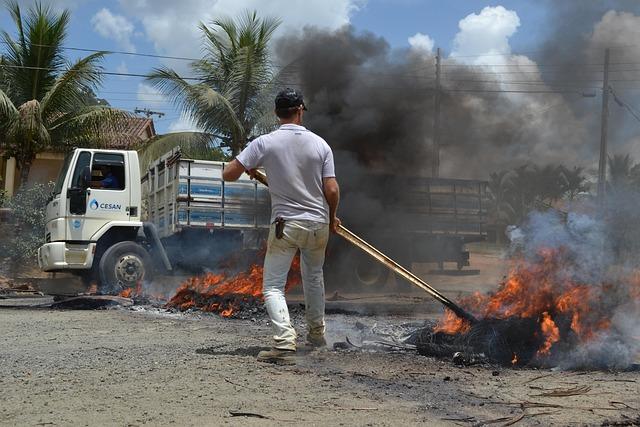
In a powerful display of solidarity, thousands of protesters gathered across major cities in France this week, echoing calls for action against escalating living expenses and widening economic disparity. The movement, dubbed *“Block Everything,�* seeks to highlight the struggles of everyday citizens facing soaring inflation and stagnant wages. Demonstrators not only took to the streets but also set up blockades to disrupt normal operations in key locations, aiming to amplify their message through visible resistance and collective effort.
Participants voiced their concerns about government inaction, emphasizing essential issues linked to the rising cost of living. Among their demands are:
- Wage increases to match inflation rates
- Tax reforms benefiting low and middle-income families
- Accessible public services and housing initiatives
- Environmental justice integrated into economic policy
As the protests continue to gain momentum, both supporters and critics are monitoring how this civil unrest may influence upcoming legislative discussions. Analysts predict a rising pressure on the government to respond to these pressing economic challenges, with potential reforms on the horizon.
Government Response to ‘Block Everything’ Protests Faces Scrutiny
In response to the widespread ‘Block Everything’ protests erupting across the nation, government officials are facing increasing pressure to reassess their strategies. Demonstrators, who are expressing frustration over a range of issues from inequality to environmental policies, have coordinated actions that include blocking major roadways and public transport hubs. Critics argue that the government’s current approach—focused largely on law enforcement—may intensify public dissent rather than quell it. Recent statements from the Interior Minister suggest a commitment to maintaining order, but the administration is also urged to engage in meaningful dialogues with protest leaders to address the underlying grievances.
The political fallout from these protests is becoming evident, as approval ratings for key government figures have begun to slide. A recent poll indicates that public support for the government’s handling of the crisis is below 40%. Analysts suggest that a more nuanced strategy may be essential for restoring confidence among constituents. Key areas for potential dialogue include:
- Social inequality and public welfare
- Environmental regulations and climate change action
- Public transportation infrastructure
| Protest Issue | Impact on Citizens |
|---|---|
| Poverty | Increased living costs |
| Climate Change | Extreme weather events |
| Transportation | Inaccessible commutes |
As the protests continue into their third week, some analysts are advocating for a comprehensive review of social policies to bridge the gap between the government’s objectives and the populace’s needs. However, the challenge remains: whether the government’s response will evolve from punitive measures to proactive engagement that resonates with citizens’ demands for change. While some officials claim they are open to discussions, the urgency of the protests demands immediate and effective action to address deep-seated frustrations.
Impact on Daily Life and Local Businesses Amidst Nationwide Disruptions
The recent ‘Block Everything’ protests have significantly disrupted daily life for residents across France. Transportation networks ground to a halt with mass gatherings obstructing major thoroughfares, leading to delays and cancellations in public transport. Residents have found their usual routines upended, impacting everything from school commutes to access to essential services. Local markets and shops have also felt the pinch, with many reporting decreased foot traffic and a drop in sales as customers choose to stay home amidst protests.
For small businesses, the ramifications of these nationwide disruptions are palpable. Many are faced with the dilemma of whether to close their doors to ensure the safety of employees and patrons or remain open and absorb the financial losses of low customer turnout. The ripple effect has created uncertainty within local economies, with proprietors expressing concern over their ability to sustain operations during prolonged unrest. A recent survey showed that:
| Business Type | Impact Rating (1-10) | Concerns Addressed |
|---|---|---|
| Cafés | 8 | Decrease in customers |
| Retail Shops | 7 | Supply chain issues |
| Service Providers | 6 | Employee safety |
| Restaurants | 9 | Lost reservations |
As discussions around social issues fuel the protests, the economic impact is increasingly coming to the forefront. Community leaders are calling for support mechanisms to help local businesses weather the storm, suggesting potential relief programs and promoting solidarity initiatives that encourage residents to shop locally during times of social unrest. The immediate future remains uncertain as the protests continue, raising questions about how long these disruptions will last and what long-term effects they will have on the fabric of local economies.
Potential Pathways for Dialogue Between Activists and Authorities
The recent surge of the “Block Everything” protests across France presents a critical juncture for both activists and governmental authorities. Establishing a productive dialogue is essential to address the underlying issues fueling such unrest. To facilitate constructive conversations, both sides could explore several avenues:
- Public Forums: Organizing open discussions featuring activists, policymakers, and community leaders to voice concerns and propose solutions.
- Collaborative Workshops: Conducting joint sessions to educate both parties on critical concepts such as environmental sustainability and social justice.
- Stakeholder Roundtables: Forming groups that include a diverse range of voices from affected communities to ensure comprehensive representation.
Implementation of these strategies can help mitigate tensions and foster mutual understanding. Additionally, the creation of a transparent feedback loop is essential. A structured system for processing public input and sharing government responses could involve:
| Mechanism | Description |
|---|---|
| Surveys | Regularly distributing surveys to gauge public sentiment and collect actionable feedback. |
| Online Platforms | Utilizing digital tools to allow for real-time interaction and feedback from citizens during crisis situations. |
| Monthly Reports | Providing summaries of discussions held, demonstrating responsiveness to public concerns. |
Key Takeaways
As the “Block Everything” protests gain momentum across France, the world watches to see how these unprecedented demonstrations will shape the nation’s political landscape. With citizens uniting in a call for change, the potential for widespread transformation hangs in the balance. Authorities are urging dialogue, yet the determination of protesters remains unwavering, signaling a critical juncture in France’s democratic process. As events continue to unfold, the implications for France and beyond are profound, warranting close attention from both national and international communities. The coming days will likely reveal whether these collective voices lead to substantial reforms or further unrest.