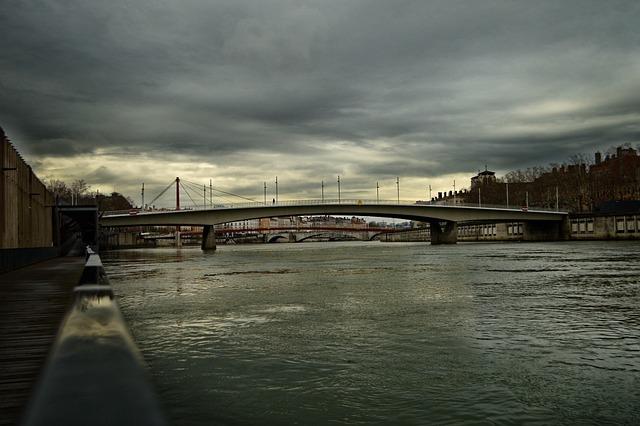
Exploring the Rhône River: A Vital Artery of Culture and Commerce
As one of Europe’s most significant waterways, the Rhône River has shaped the landscapes, economies, and histories of the regions it traverses. Stretching over 800 kilometers, this majestic river flows from the Swiss Alps through France, eventually emptying into the Mediterranean Sea. Beyond its geographical importance, the Rhône is a lifeline for agriculture, a gateway for trade, and a source of inspiration for artists and writers throughout the centuries. In this article, we will delve into the origins, significance, and multifaceted role of the Rhône River, highlighting its influence on both local communities and the broader European tapestry. Join us as we uncover the stories woven along this iconic waterway, celebrating its enduring legacy and vital contributions to culture and commerce.
Exploring the Scenic Beauty of the Rhône River
The Rhône River, a vital artery of southern France, wends its way through breathtaking landscapes that have inspired artists and travelers for centuries. As it meanders from the Swiss Alps to the Mediterranean, the river presents a stunning tapestry of scenery characterized by vineyards, charming villages, and historical landmarks. Each bend in the river reveals a new vista, from the dramatic cliffs of the Ardèche to the tranquil valleys dotted with lavender and olive trees, crafting a picturesque backdrop that enchants visitors year-round.
Notable regions along the Rhône invite exploration and enjoyment. The area is famous for its acclaimed wine routes, particularly in regions like Côtes du Rhône, where visitors can indulge in tours and tastings. Additionally, vibrant cities such as Lyon and Avignon boast rich cultural heritage, featuring medieval architecture and vibrant culinary scenes. Below is a snapshot of key attractions:
| Attraction | Location | Highlights |
|---|---|---|
| Lyon | Near the confluence of Rhône and Saône | Gastronomy, UNESCO heritage sites |
| Avignon | South Rhône | Papal Palace, historic bridge |
| Ardèche Gorges | North Rhône | Outdoor activities, breathtaking views |
| Vineyards | Côtes du Rhône | Wine tours, tasting events |
Historical Significance and Cultural Landmarks Along the Rhône
The Rhône River is a lifeline that has shaped the cultural and historical landscape of Southern France since antiquity. Roman civilization leveraged the river’s strategic position, leading to the establishment of important towns like Lyon, which served as a hub for trade and cultural exchange. Today, the remnants of this era are evident through archaeological sites, ancient theaters, and well-preserved Roman ruins scattered along the river. The Avenue and Theatre of Fourvière stand as a testament to the architectural prowess of the Romans, attracting visitors eager to witness the legacy that defined the region.
Cultural landmarks along the Rhône also reflect the diverse influences that have graced the area over the centuries. In the charming towns and vibrant cities, one can find a tapestry of gothic churches, Renaissance palaces, and modern art spaces. The picturesque town of Tournon-sur-Rhône is renowned for its historic castle, which offers breathtaking views of the surrounding vineyards, while the city of Avignon boasts the magnificent Papal Palace, a UNESCO World Heritage site. As you traverse the banks of the Rhône, each landmark narrates a unique story of its historical significance, underscoring the river’s role as a conductor of culture and heritage throughout the ages.
Economic Impact of the Rhône on Local Regions
The Rhône River plays a pivotal role in shaping the economy of the regions it traverses. From agriculture to tourism, the river provides multiple avenues for economic development. Regions along the Rhône benefit from a variety of resources and industries, including:
- Agriculture: The fertile banks of the Rhône are conducive to vineyards and orchards, supporting a thriving wine industry, particularly in regions like Burgundy and the Rhône Valley.
- Industry: Proximity to the river facilitates transportation for industrial goods, simplifying logistics and reducing costs for local manufacturers.
- Tourism: Scenic views and historical sites along the river attract tourists, boosting local businesses such as restaurants and hotels.
The economic benefits extend beyond direct revenue generation. The Rhône also enhances trade opportunities and acts as a crucial transport hub. A closer look at key economic indicators reveals:
| Sector | Estimated Contribution (%) |
|---|---|
| Agriculture | 30% |
| Industry | 40% |
| Tourism | 20% |
| Other Services | 10% |
These figures illustrate the diverse economic landscape influenced by the Rhône, underscoring how this river is not just a geographical feature, but a lifeline for local economies, driving growth and innovation in the region.
Travel Tips for Navigating the Rhône River Experience
Exploring the Rhône River requires a blend of preparation and spontaneity to truly appreciate its beauty. Dress in layers, as the weather can change quickly along the riverbanks. Comfortable walking shoes are essential not only for cities like Lyon and Avignon but also for the picturesque villages that dot the landscape. While navigating the region, consider downloading offline maps to avoid connectivity issues, and always have a water bottle handy to stay hydrated. Also, don’t miss local markets where you can taste regional specialties—a highlight of any Rhône visit!
Getting around the Rhône can be a delight, thanks to its efficient transport options. Public transport is affordable, and many cities offer bike rentals, making it easy to cover more ground. Here’s a quick glance at some travel forms and experiences along the river:
| Transport Mode | Highlights |
|---|---|
| Boat Tours | Scenic views of vineyards and historic towns |
| Bicycles | Access to countryside trails and local attractions |
| Public Buses | Inexpensive way to reach smaller towns |
Final Thoughts
In conclusion, the Rhône River stands as a vital artery of history, culture, and commerce in Europe. Spanning over 800 kilometers from its origin in the Swiss Alps to its confluence with the Mediterranean, the Rhône not only shapes the geography of the regions it traverses but also influences the livelihoods and traditions of countless communities along its banks. As a significant contributor to the economies of France and Switzerland, the river plays a crucial role in agriculture, energy production, and tourism. Its rich biodiversity and picturesque landscapes further enhance its importance, drawing both researchers and travelers alike. As we continue to explore and understand the complexities of the Rhône, it remains clear that this remarkable river will remain a key focus for environmental sustainability and cultural heritage for generations to come.