
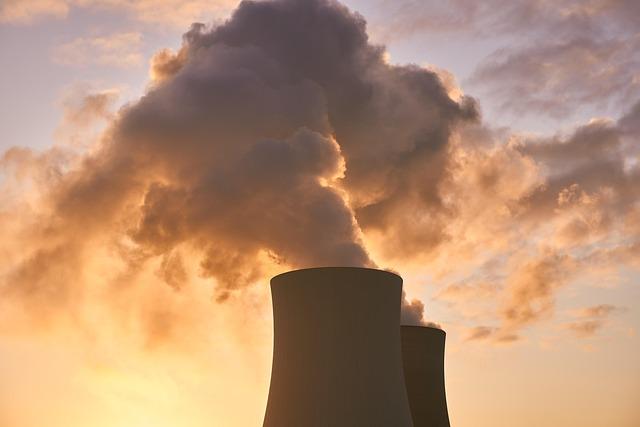
The International Atomic Energy Agency (IAEA) and France have formalized a new partnership aimed at advancing nuclear education and training. Signed this week, the agreement seeks to bolster international cooperation in developing skilled professionals to support the safe and effective use of nuclear technology worldwide. This collaboration underscores the shared commitment of the IAEA and France to fostering knowledge transfer and capacity building within the nuclear sector amid growing global interest in peaceful nuclear applications.
IAEA and France Join Forces to Advance Nuclear Education and Training
In a landmark move to enhance global nuclear expertise, the International Atomic Energy Agency (IAEA) and the French government have formalized a strategic partnership aimed at bolstering nuclear education and training frameworks worldwide. This agreement leverages France’s extensive experience and advanced infrastructure in nuclear science to support the IAEA’s mission of promoting safe, secure, and peaceful use of nuclear technologies. Central to the collaboration is the development of customized training programs, workshops, and resource sharing initiatives designed to elevate the skill sets of nuclear professionals across member states.
Key elements of the partnership include:
- Joint curriculum development integrating cutting-edge nuclear technologies and safety protocols
- Exchange programs for students, researchers, and practitioners to foster international cooperation
- Enhanced e-learning platforms aimed at remote and continuous professional development
- Capacity building workshops focused on regulatory frameworks and emergency preparedness
The cooperation is expected to accelerate innovation and harmonize standards across the nuclear education sector, helping to address workforce challenges and ensuring a new generation of qualified experts is ready to meet future demands.
| Focus Area | Expected Outcome |
|---|---|
| Training Infrastructure | Upgraded facilities and equipment |
| Human Resource Development | Skilled workforce expansion |
| Research Collaboration | Joint projects and innovation |
| Public Awareness | Increased knowledge on nuclear benefits and safety |
Key Initiatives and Programs to Enhance Global Nuclear Expertise
As part of the newly signed agreement between the International Atomic Energy Agency (IAEA) and France, several innovative initiatives have been launched to strengthen nuclear education and training worldwide. Central to these efforts is the development of comprehensive training modules tailored for diverse audiences—from young professionals entering the nuclear sector to seasoned experts seeking advanced specialization. This approach ensures a robust pipeline of skilled professionals equipped to address the complex challenges of nuclear safety, security, and peaceful applications.
Key components of the collaboration include:
- Joint Educational Workshops: Interactive sessions combining theoretical knowledge with practical applications in nuclear technology.
- Scholarship Programs: Financial support to facilitate international study and exchange among leading nuclear institutions.
- Online Learning Platforms: Enhanced digital resources providing accessible nuclear training globally.
| Initiative | Target Group | Expected Outcome |
|---|---|---|
| Nuclear Safety Seminars | Regulators & Inspectors | Improved compliance and oversight |
| Technical Skill Enhancement | Engineers & Technicians | Increased operational competence |
| Research Fellowship | Graduate Students | Advanced innovation & collaboration |
Implications for Strengthening Nuclear Safety and Security Standards
The latest collaboration between the IAEA and France promises transformative advancements in nuclear safety and security frameworks worldwide. By pooling expertise and resources, they aim to elevate training programs tailored to emerging challenges in nuclear technology, fostering a new generation of highly skilled professionals. This strategic partnership will focus on comprehensive knowledge transfer, enhancing operational protocols, and promoting the adoption of cutting-edge safety technologies. Key outcomes anticipated include:
- Development of harmonized training modules aligned with international best practices
- Strengthening of regulatory infrastructures through targeted capacity-building initiatives
- Increased public trust via transparent safety assessments and enhanced emergency preparedness
This agreement also underscores the critical need for continuous education as nuclear technologies evolve, ensuring standards keep pace with innovation. A WP Table below outlines the core focus areas of the new curriculum being developed:
| Focus Area | Primary Objective | Expected Impact |
|---|---|---|
| Radiation Protection | Minimize exposure risks | Enhanced worker and public safety |
| Cybersecurity | Secure nuclear facilities | Prevention of digital threats |
| Emergency Response | Improve crisis management | Faster, coordinated mitigation efforts |
Recommendations for Expanding International Collaboration in Nuclear Capacity Building
To leverage the full potential of the newly signed agreement between the IAEA and France, it is essential to foster a multi-tiered strategy that enhances cooperation across borders. Governments and institutions should prioritize joint research initiatives, student exchange programs, and shared access to advanced training facilities. Emphasizing a synchronized curriculum development process will not only elevate education standards worldwide but also address region-specific nuclear challenges effectively. The adoption of innovative digital platforms can facilitate knowledge transfer, making expertise more accessible regardless of geographical constraints.
Key pathways to intensify global partnerships include:
- Establishing regional nuclear education hubs to decentralize training efforts
- Implementing virtual laboratories and online courses for continuous learning
- Encouraging public-private partnerships to drive technological advancements
- Standardizing certification frameworks to enable workforce mobility
- Supporting capacity-building workshops with multilingual resources
| Action | Benefit | Stakeholders |
|---|---|---|
| Develop Collaborative Research Projects | Enhances innovation and shared knowledge | Universities, Research Institutes |
| Expand E-Learning Platforms | Increases accessibility to training | IAEA, Educational Tech Firms |
| Promote International Student Exchanges | Builds cross-cultural competencies | Nuclear Organizations, Governments |
Key Takeaways
The agreement between the IAEA and France marks a significant step forward in strengthening global nuclear education and training. By pooling resources and expertise, the partnership aims to enhance the competence and safety standards of nuclear professionals worldwide. As the demand for skilled personnel in the nuclear sector grows, this collaboration underscores the critical role of international cooperation in advancing peaceful and secure uses of nuclear energy. The successful implementation of this initiative will likely serve as a model for future partnerships, reinforcing the importance of education and training in nuclear technology’s safe development.