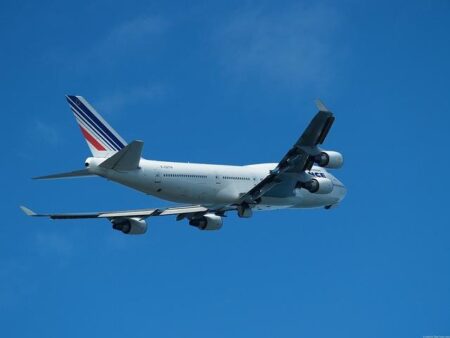
Air France has suspended several of its flights amid escalating tensions in the Middle East, citing safety concerns for passengers and crew. The French national carrier’s decision comes as regional conflicts intensify, prompting airlines worldwide to reassess their routes over the area. This latest development highlights the growing impact of geopolitical unrest on international air travel and its broader implications for global connectivity.
Air France Suspends Flights Due to Rising Security Concerns in Middle East
In a decisive move reflecting escalating geopolitical unrest, Air France has temporarily halted all operations to and from several key destinations in the Middle East. The airline cited heightened security risks as the primary reason for this suspension, aiming to safeguard passengers and crew amid growing regional instability. This decision affects flights primarily to cities experiencing the most acute security threats, signaling a cautious approach amid an unpredictable environment.
Key impacted locations include:
- Beirut, Lebanon
- Dubai, UAE
- Tehran, Iran
- Baghdad, Iraq
| Flight Route | Status | Expected Resumption |
|---|---|---|
| Paris – Beirut | Suspended | Undetermined |
| Paris – Dubai | Suspended | Undetermined |
| Paris – Tehran | Suspended | Undetermined |
| Paris – Baghdad | Suspended | Undetermined |
Air France has emphasized that the suspension is temporary and contingent upon improvement in conditions and thorough assessments of safety protocols. The airline is actively coordinating with international aviation authorities and regional security experts to monitor developments and ensure a timely and secure resumption of services. Customers with suspended flights are advised to contact the airline for rebooking options and updates on travel advisories.
Impact of Flight Grounding on Passengers and Global Travel Networks
The recent suspension of Air France flights has left thousands of passengers stranded, triggering a wave of cancellations and rescheduling challenges across global hubs. Many travelers faced abrupt itinerary changes, leading to financial strain and emotional distress as reunions, business plans, and vacations were suddenly put on hold. Airlines and travel agencies grappled with surges in customer service inquiries, while passengers scrambled to find alternative connections, often at premium costs. Essential travel, such as medical emergencies and business commitments, bore the brunt of unpredictability, highlighting the fragile interdependence between geopolitical tensions and international mobility.
Beyond individual passengers, this grounding has produced significant ripple effects in the broader aviation ecosystem. Global travel networks have encountered disruptions in cargo transit, airline alliances, and airport operations, complicating the flow of goods and passengers alike. The table below outlines some immediate consequences observed within a week of flight suspensions:
| Impact Area | Effect | Estimated Duration |
|---|---|---|
| Passenger Volume | Drop of 30%-40% on affected routes | 2-3 weeks |
| Cargo Delay | Increased by 24-48 hours | 1 week |
| Airport Congestion | Higher foot traffic at alternative hubs | Ongoing |
| Airline Revenue | Projected shortfall in millions € | Quarterly review |
As tensions persist, coordination between international regulatory bodies, airlines, and governments is critical to mitigate further economic fallout and restore confidence in air travel. The urgency to adapt contingency plans and reinforce flexible booking policies has never been higher, emphasizing the need for resilience in a volatile geopolitical landscape.
Analysis of Geopolitical Factors Driving Airline Decisions in Conflict Zones
Airlines routinely assess the risks tied to geopolitical instability, particularly in volatile regions such as the Middle East. The decision to suspend or reroute flights is influenced by multiple intertwined factors: diplomatic relations, regional security alerts, and the potential for conflict escalation. For Air France, grounding flights reflects an acute sensitivity to managing passenger safety amid rising tensions, as well as compliance with international aviation advisories and insurance liabilities.
Several key considerations dominate airline strategies in conflict zones, including:
- Airspace security and military activity fluctuations
- Real-time intelligence from government and global aviation bodies
- Economic repercussions of prolonged route suspensions
- Passenger confidence and brand reputation risk
| Factor | Impact on Airline Decision |
|---|---|
| Airspace Restrictions | Immediate route closures or diversions |
| Government Travel Advisories | Mandatory adjustments to flight schedules |
| Insurance Costs | Increased operational expenses |
| Passenger Demand | Reduced bookings influencing flight viability |
Recommendations for Travelers Navigating Flight Disruptions Amid Regional Tensions
Travelers affected by sudden flight cancellations or schedule changes due to regional tensions should prioritize real-time information gathering to adjust their plans swiftly. Checking official airline communications and government travel advisories frequently can provide critical updates. It is also recommended to enroll in airline-specific notifications and mobile apps to receive immediate alerts about flight changes or alternative routing options. Maintaining flexible travel arrangements, including refundable bookings and travel insurance covering conflict-related disruptions, can significantly mitigate the impact of unexpected cancellations.
When rebooking flights, consider the following strategies to navigate the volatility safely and efficiently:
- Opt for connecting flights through less affected hubs to avoid direct conflict zones.
- Explore multi-airline itineraries which may offer more rebooking flexibility.
- Keep a printed copy of your travel documents and emergency contact numbers, as network disruptions may affect digital access.
- Coordinate with your embassy or consulate for assistance, especially if stranded in high-risk areas.
| Recommended Action | Benefit |
|---|---|
| Subscribe to Airline Alerts | Instant updates on flight status |
| Choose Flexible Ticket Options | Easy rebooking or cancellation without penalty |
| Consult Travel Insurance Policies | Financial protection against disruptions |
| Use Alternative Routes | Reduce chances of flight cancellation |
Wrapping Up
As Air France suspends flights amid escalating tensions in the Middle East, the situation remains fluid and closely monitored by international carriers and governments alike. Travelers are advised to stay updated on airline announcements and exercise caution when planning travel in the region. The broader implications for global aviation and geopolitical stability continue to unfold, highlighting the complex interplay between security concerns and international air travel.