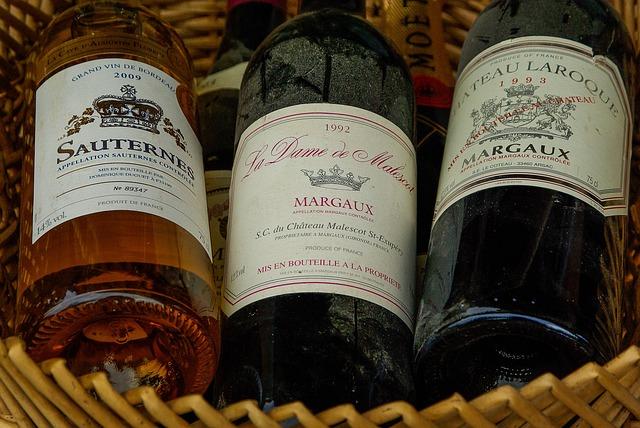
The Rules of Bordeaux: Demystifying France’s Classic Wine Region
In the heart of France, the Bordeaux region stands as a bastion of viticulture, renowned for its intricate wines and storied traditions. Often shrouded in a veil of complexity, Bordeaux offers a rich tapestry of history, regulations, and varietals that can bewilder even the most seasoned oenophiles. In this article, we aim to strip away the layers of confusion surrounding Bordeaux’s famed rules and classifications. From the stringent AOC regulations governing winemaking practices to the famed châteaux that dot the picturesque landscape, we delve into the essence of what makes Bordeaux a wine lover’s paradise. Join us as we break down the fundamental principles that guide this iconic region and explore how they shape the wines that have captivated palates worldwide.
Exploring the Terroir: Understanding Bordeaux’s Unique Climate and Geography
Bordeaux’s landscape is a complex tapestry woven from its unique climate and geographical features. The region benefits from a temperate maritime climate, characterized by mild winters and warm summers, ideal for grape cultivation. The interplay between the Atlantic Ocean and the Gironde estuary moderates temperatures and provides crucial humidity, making it a fortress against frost. Additionally, the region’s diverse soil types—ranging from gravel and clay to limestone—offer a natural canvas upon which various grape varieties thrive. This diversity is key; it allows winemakers to harness the intrinsic qualities of their grapes, leading to the celebrated complexity of Bordeaux wines.
The Bordeaux region is divided into several distinct sub-regions, each with its own microclimate and soil composition. Within these areas, the terroir significantly influences the character of the wines produced. For example, in the Left Bank, the soil is primarily gravel, which is perfect for Cabernet Sauvignon, while the Right Bank’s clay-rich terrain is ideal for Merlot. Understanding how these factors interplay can help enthusiasts appreciate the nuances of each wine. The table below highlights some of the key sub-regions and their predominant grape varieties:
| Sub-Region | Main Grape Varieties |
|---|---|
| Medoc | Cabernet Sauvignon, Merlot |
| Saint-Émilion | Merlot, Cabernet Franc |
| Pessac-Léognan | Cabernet Sauvignon, Sauvignon Blanc |
| Fronsac | Merlot, Cabernet Franc |
Grape Varieties Unveiled: Key Players in Bordeaux’s Wine Production
The rich tapestry of Bordeaux’s wine production is intricately woven from a select array of grape varieties, each contributing its unique character to the region’s acclaimed wines. Central to this landscape are Merlot and Cabernet Sauvignon, the two heavyweights that dominate the vineyards. Merlot, with its plush fruitiness and soft tannins, thrives in cooler clay soils, while Cabernet Sauvignon, revered for its structure and complexity, finds its ideal home in gravelly terrains. Together, they create a harmonious balance that defines many of Bordeaux’s renowned red blends.
Beyond these giants, several other varieties play crucial supporting roles, enhancing the diversity and intricacy of Bordeaux wines. Consider the following notable grapes:
| Variety | Characteristics |
|---|---|
| Cabernet Franc | Aromatic with raspberry notes, offering elegance and finesse. |
| Petit Verdot | Full-bodied and bold, adding depth and color to blends. |
| Sémillon | Rich and honeyed, pivotal in sweet white wines like Sauternes. |
| Sauvignon Blanc | Crisp and aromatic, contributing freshness and acidity. |
This diverse lineup not only showcases the region’s adaptability to different terroirs and climates but also its commitment to nuanced flavors and high-quality production. As Bordeaux continues to evolve, these key grape varieties remain at the forefront, delineating the boundaries of tradition while inviting innovation in wine craftsmanship.
Decoding Bordeaux Blends: The Art of Combining Flavors
Bordeaux blends are a masterclass in the art of winemaking, showcasing the unique characteristics of each varietal while creating a symphony of flavors that can tantalize the palate. The primary grapes used in these blends include Cabernet Sauvignon, Merlot, Cabernet Franc, Petit Verdot, and Malbec. Each grape contributes its own distinct attributes: Cabernet Sauvignon tends to bring structure and tannins, while Merlot adds softness and fruitiness. Cabernet Franc typically adds aromatic nuances, and Petit Verdot and Malbec are often used sparingly, enhancing complexity and depth.
Wine producers in Bordeaux follow specific guidelines known as the “Bordeaux Blend Rules,” which dictate the proportions of each grape variety that can be used in their wines. Typically, these blends aim for a harmonious balance rather than a single varietal dominance. Some of the classic combinations you might encounter include:
| Blend Composition | Flavor Profile |
|---|---|
| 60% Cabernet Sauvignon, 30% Merlot, 10% Cabernet Franc | Rich, structured, with dark fruit notes |
| 50% Merlot, 30% Cabernet Sauvignon, 20% Cabernet Franc | Soft, fruity, with an elegant finish |
| 70% Cabernet Sauvignon, 20% Petit Verdot, 10% Malbec | Bold, intense, with spicy undertones |
Navigating Bordeaux’s Appellations: A Guide to the Region’s Finest Wines
Bordeaux, a mosaic of vineyards, is divided into distinct appellations, each telling a unique story of the land and its winemakers. The Left Bank is renowned for its Cabernet Sauvignon, known for producing bold, tannic wines. Prominent appellations include:
- Medoc: Celebrated for rich, complex reds, often blended with Merlot and Cabernet Franc.
- Pessac-Leognan: Famed for both red and white wines, with a focus on elegance and aging potential.
On the Right Bank, Merlot dominates, producing softer, fruit-forward wines that are approachable in their youth. Noteworthy appellations on this side include:
- Saint-Émilion: Known for its limestone soils, yielding wines of great depth and character.
- Pomerol: Smaller and less regulated, but home to some of the most coveted wines, like Château Pétrus.
| Appellation | Main Grape Varietal | Characteristics |
|---|---|---|
| Medoc | Cabernet Sauvignon | Rich, tannic, complex |
| Pessac-Leognan | Cabernet Sauvignon, Sauvignon Blanc | Elegant, versatile |
| Saint-Émilion | Merlot | Deep, structured |
| Pomerol | Merlot | Soft, fruit-forward |
To Wrap It Up
In conclusion, navigating the intricate world of Bordeaux wines requires more than just a desire to sip the finest vintages; it demands a keen understanding of the region’s storied rules and regulations. From the strict AOC classifications to the influence of terroir, Bordeaux stands as a testament to the balance of tradition and innovation in winemaking. By demystifying these guidelines, both novice and seasoned enthusiasts can better appreciate what’s in their glass. As the region continues to evolve, staying informed will not only enrich one’s wine experience but also pay homage to the rich legacy that each bottle represents. For those eager to explore further, Bordeaux offers more than just a drink—it presents an invitation to savor history in every sip.