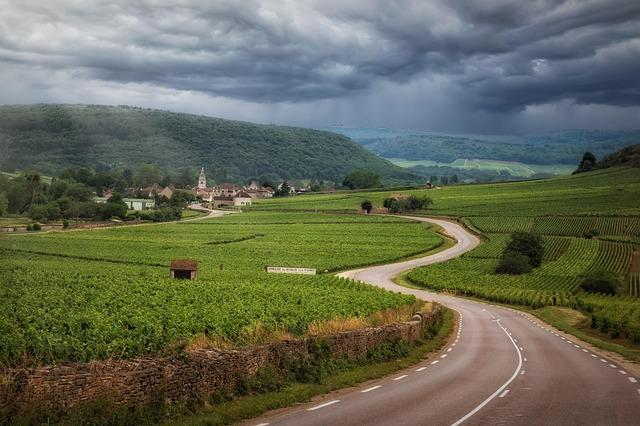
Farmers Block Roads Across France in Protest: A Call for Action on Agricultural Challenges
In a dramatic show of defiance, farmers across France have launched a series of roadblocks, bringing traffic to a standstill in various regions. This orchestrated protest, which disrupts major transport routes, underscores the growing frustration within the agricultural community over government policies and economic pressures facing the sector. From the picturesque countryside to bustling urban centers, the movement aims to draw attention to a range of issues, including rising production costs, climate regulations, and the ongoing struggle for fair pricing. As farmers demand immediate action from policymakers, the situation escalates, prompting both national and international discussions on the future of agriculture in France.
Farmers Protest in France: Understanding the Motivations Behind the Roadblocks
The recent roadblocks set up by farmers across France have drawn significant attention, spotlighting a series of deep-seated issues within the agricultural sector. Many farmers are unified in their frustration over decreasing profit margins and escalating production costs. With rising prices for essentials like fertilizers and fuel, the economic sustainability of family farms is at stake. The protests are not merely a display of discontent; they are a desperate call for governmental action on policies that directly affect their livelihoods. The farmers fear that without governmental support, many will be forced to leave the industry altogether.
Another critical factor behind these protests is the increasing competition from international markets. French farmers feel that they are unable to compete with lower-priced imports due to subsidies offered in other countries. This issue has led to a disparity that many argue threatens the very fabric of France’s rural economy. The farmers’ demands encompass:
- Fair pricing policies that reflect the true cost of production.
- Support for local agriculture to combat foreign competition.
- Increased funding for sustainable farming initiatives.
As the protests continue, a stark question remains: Will the government listen to the farmers’ grievances and implement changes that could safeguard the future of agriculture in France?
Impact on Supply Chains: How Farmers’ Actions Disrupt Transportation Across the Country
The recent wave of protests led by farmers across France has created significant disruption in supply chains, affecting transportation logistics both locally and nationally. As farmers block major roads and access points to express their grievances over agricultural policies and pricing pressures, the ripple effects are being felt far and wide. Key highways that serve as vital arteries for the movement of goods are being obstructed, leading to delays and increased costs for transport companies tasked with delivering essential products. This is particularly detrimental to perishable goods, where every hour of delay can mean spoilage and financial loss.
Logistics experts cite various consequences stemming from these disruptions, highlighting the challenge of maintaining a smooth flow in the distribution network. The impact can be summarized as follows:
- Increased Transport Costs: With delays leading to longer routes or the need for alternative transport options.
- Inventory Shortages: Retailers are beginning to face shortages of key items as supplies dwindle.
- Delivery Delays: Customers are experiencing longer wait times, affecting everything from grocery supplies to construction projects.
To illustrate the logistics challenges faced by the industry, the following table summarizes key data regarding road blockages and their direct impact on transportation.
| Location of Blockade | Type of Goods Affected | Estimated Delay (Hours) |
|---|---|---|
| Paris – N20 | Dairy Products | 12 |
| Lyon – A6 | Fresh Produce | 8 |
| Marseille – A55 | Construction Materials | 10 |
Government Response: Evaluating Policy Solutions to Address Farmers’ Grievances
In light of the recent protests by farmers blocking roads across France, the government is under increasing pressure to assess and implement viable policy solutions that can effectively address the grievances raised. Farmers have voiced concerns regarding fluctuating commodity prices, rising production costs, and regulatory burdens that threaten their livelihoods. To respond to these issues, lawmakers are exploring various measures aimed at stabilizing the agricultural sector, including:
- Subsidy Revisions: Evaluating current subsidy structures to provide more equitable support for farmers.
- Price Support Mechanisms: Introducing guaranteed price floors for essential crops to mitigate income volatility.
- Access to Credit: Enhancing financial aid initiatives that allow farmers easier access to low-interest loans.
- Streamlining Regulations: Simplifying compliance processes to reduce bureaucratic red tape.
Furthermore, a critical aspect of the government’s response is fostering dialogue between agricultural stakeholders and policymakers. By establishing regular consultations and feedback mechanisms, the government aims to create a more transparent and responsive agricultural policy framework. To further aid in these discussions, a proposed table of action items has been put forth to ensure that farmer concerns are adequately addressed:
| Action Item | Responsible Body | Timeline |
|---|---|---|
| Conduct Impact Assessments | Ministry of Agriculture | Q1 2024 |
| Revise Subsidy Guidelines | Agricultural Policy Council | Q2 2024 |
| Initiate Stakeholder Dialogues | Local Governments | Ongoing |
Community Support: The Role of Public Opinion in Shaping the Farmers’ Movement
The farmers’ movement in France has gained significant momentum in recent weeks, with protests escalating into widespread roadblocks across the nation. This surge of activism, driven by discontent over agricultural policies, has captured public attention and shifted opinions around the plight of farmers. As these demonstrators parade their tractors through major thoroughfares, they highlight critical issues such as fair pricing, sustainable farming practices, and government support. The response from the public plays a vital role, transforming individual grievances into collective action. Demonstrators find strength not only in their shared goals but also in the growing sympathy from various community sectors, including urban dwellers who recognize the importance of local farming in their everyday lives.
In the past, public sentiment has largely favored agricultural initiatives that prioritize environmental sustainability and consumer safety. However, recent protests have sparked a nuanced dialogue regarding the balance between regulatory measures and farmers’ livelihoods. The role of media coverage and social platforms in shaping this narrative cannot be understated, as they amplify the voices of those directly affected by policy decisions. A recent survey indicated that public opinion has shifted, with a significant percentage of respondents expressing support for farmers’ rights to protest. The evolving viewpoint can be attributed to several factors:
- Increased visibility: Roadblocks and media coverage have brought farmers’ issues to the forefront.
- Community engagement: Urban and rural populations are collaborating more closely, drawing attention to mutual interests.
- Empathy & connection: Awareness of the struggles faced by farmers resonates with the public, fostering solidarity.
| Issue | Public Opinion (%) |
|---|---|
| Support for farmers’ protests | 68% |
| Prioritizing sustainable practices | 75% |
| Need for government intervention | 85% |
In Conclusion
As tensions continue to simmer, farmers across France have made their voices heard by blocking key roads, protesting against rising costs and reduced subsidies. This significant mobilization highlights the growing discontent within the agricultural community, signaling a critical moment for policymakers to address their concerns. As the situation develops, it remains to be seen how the government will respond to these challenges, and whether negotiations can lead to a resolution that satisfies both the farmers’ demands and broader economic stability. For now, the roads may be blocked, but the dialogue on the future of farming in France is just beginning.