
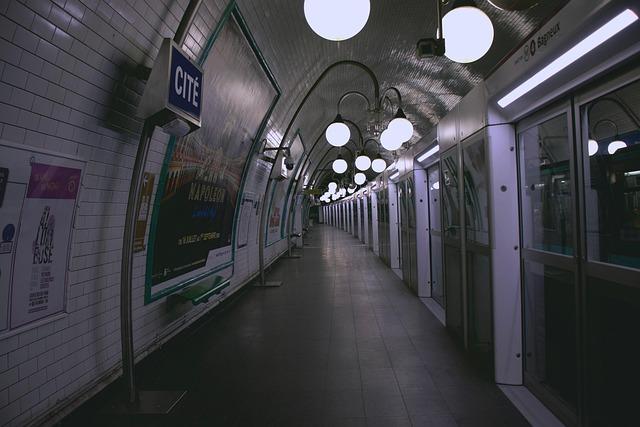
France’s Most Livable Cities: The 2026 Ranking from Paris Select Book
As urban living continues to evolve in the wake of global challenges, the quest for ideal cities becomes ever more pressing. In its latest ranking, the Paris Select Book shines a light on France’s most livable cities for 2026, offering insights into what makes each locale unique and appealing. From bustling metropolises to charming towns, this year’s list reflects a range of factors including quality of life, sustainable practices, cultural offerings, and economic viability. Join us as we delve into the cities that not only capture the essence of French life but also set benchmarks for urban development and community well-being. Whether you’re contemplating a move, planning a visit, or simply interested in the dynamics of French urban centers, this comprehensive analysis promises to reveal why these cities are standing out in the ever-competitive landscape of livability.
Exploring the Criteria Behind France’s Livability Rankings
The livability rankings of French cities are not merely a reflection of aesthetic appeal; they are grounded in a variety of criteria that impact daily life. These metrics encompass economic factors, quality of education, healthcare access, and environmental sustainability. Among the most significant elements evaluated are:
- Cost of Living: Analyzing housing prices, food expenditures, and overall affordability.
- Public Services: Assessing the efficiency and availability of transportation, healthcare, and educational institutions.
- Safety and Security: Measuring crime rates and police presence in urban areas.
- Quality of Life: Including access to parks, recreational facilities, and cultural attractions.
- Environmental Quality: Defining air quality metrics and green space availability.
In addition, social cohesion and community engagement contribute significantly to a city’s appeal. A city’s ability to foster inclusion and connectivity among its residents often enhances its overall livability. The following factors have been found to play a crucial role:
| Factor | Impact on Livability |
|---|---|
| Community Events | Encourage social interactions and cultural exchange |
| Accessibility | Facilitates movement for all residents, including disabled individuals |
| Employment Opportunities | Enhances economic stability and growth prospects |
A Deep Dive into Paris’s Urban Masterpieces and Hidden Gems
Paris, a city renowned for its iconic landmarks, hides an array of urban masterpieces that reflect its rich history and innovative spirit. Among them, the Fondation Louis Vuitton stands as a beacon of contemporary architecture, designed by Frank Gehry, blending seamlessly with the surrounding Bois de Boulogne. Similarly, the Institut du Monde Arabe showcases modern design while celebrating the cultural diversity of the Arab world. Both sites not only captivate the eye but also invite visitors to explore deeper narratives through exhibits and programs.
However, the magic of Paris isn’t just in its famous sites; it’s also hidden in the lesser-known corners of the city. From the promenade plantée, an elevated park that repurposes an old railway track, to the charming streets of the Marais district, with its eclectic boutiques and art galleries, these areas reveal the authentic soul of Paris. For the adventurous traveler, neighborhoods like Belleville and Canal Saint-Martin offer vibrant street art and a bustling atmosphere that stand in contrast to the traditional elegance of the Left Bank. The juxtaposition of classic and contemporary makes Paris not only a destination but a living canvas of creativity.
Quality of Life Insights: What Makes a City Truly Livable
As the 2026 ranking reveals, several factors contribute to the livability of a city, influencing the overall quality of life for residents. Among the most critical components are accessibility, green spaces, and community engagement. Cities that prioritize efficient public transport systems not only reduce traffic congestion but also encourage environmental sustainability. Moreover, ample parks and recreational areas promote physical health and foster social interaction, providing residents with a sense of belonging and community pride.
Housing affordability is another vital element that shapes urban livability. The balance between average income and housing costs determines whether citizens can enjoy a high standard of living. Below is a comparative overview of selected cities, highlighting key features that make them stand out in the livability ranking:
| City | Green Spaces (%) | Public Transport Rating | Housing Affordability (Index) |
|---|---|---|---|
| Paris | 30 | 9/10 | 7.5 |
| Lyon | 35 | 8/10 | 6.8 |
| Bordeaux | 40 | 7/10 | 6.5 |
Practical Tips for Relocating to France’s Best Cities in 2026
Relocating to one of France’s top cities in 2026 can be an exhilarating yet challenging adventure. To ensure a smooth transition, prospective movers should consider the following practical steps:
- Learn the Language: Engage in language courses or use apps to familiarize yourself with basic French phrases.
- Research Neighborhoods: Each city has unique districts; explore online forums and local guides to find a neighborhood that matches your lifestyle.
- Understand Local Regulations: Familiarize yourself with rules regarding residency permits, health care, and taxes to avoid any legal hiccups.
- Connect with Expats: Joining expat communities can provide valuable insights and support as you adapt to your new home.
Additionally, to help you budget for your move, consider these essential costs associated with relocating:
| Expense | Estimated Cost |
|---|---|
| Housing Deposit | €1,500 – €3,000 |
| Moving Costs | €800 – €2,000 |
| Health Insurance | €50 – €150/month |
| Utilities | €100 – €200/month |
Closing Remarks
As we look ahead to 2026, the landscape of livability in France’s cities promises both continuity and change. The comprehensive insights from the Paris Select Book have unveiled not only the cities that currently offer the best quality of life but also the factors influencing their rankings—from green spaces and cultural opportunities to healthcare and economic prospects.
As urban development evolves and residents’ preferences shift, these rankings serve as a crucial resource for potential movers, city planners, and policymakers alike. Each city on the list holds unique attributes that contribute to a vibrant, fulfilling lifestyle, making them not just places to live, but communities to thrive in.
In summary, whether you’re drawn to the historic charm of Lyon or the modern vibrancy of Bordeaux, France’s most livable cities highlight a commitment to enhancing quality of life for all citizens. As we monitor their progress in the coming years, one thing is clear: the pursuit of livability remains a key priority across the nation. Stay tuned for further updates as more data emerges and these cities continue to adapt to the needs of their inhabitants.