
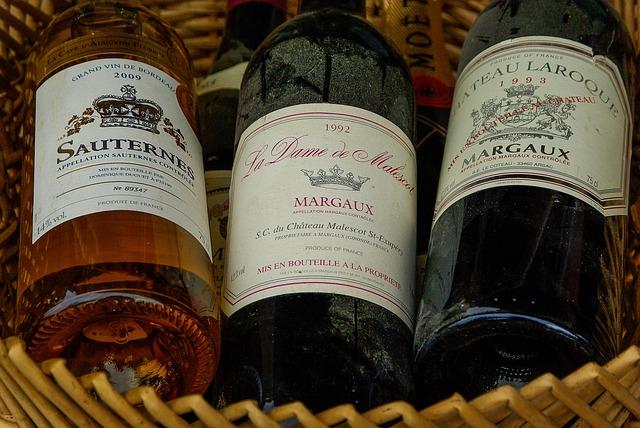
Exploring the Distinct Worlds of Bordeaux and Burgundy Wines
In the realm of fine wine, few regions evoke as much passion and debate as Bordeaux and Burgundy. Each famed for its unique terroir, vinicultural traditions, and grape varieties, these two French regions represent the pinnacle of viticulture. However, the complexities of their offerings often leave enthusiasts and casual drinkers alike confounded. In this article, we delve into the real differences between Bordeaux and Burgundy wines, shedding light on their respective characteristics, production processes, and the nuances that separate these two storied appellations. From the bold blends of Bordeaux to the delicate Pinot Noirs of Burgundy, we aim to provide a comprehensive understanding that will enhance your appreciation for these iconic wines.
Understanding the Terroir: How Geography Shapes Bordeaux and Burgundy Wines
Geography plays a pivotal role in shaping the wines of Bordeaux and Burgundy, leading to distinctive characteristics that reflect their unique terroirs. In Bordeaux, the wines benefit from a combination of maritime influences and diverse soil types. Key regions, such as the Left Bank and Right Bank, are characterized by their distinct grape varieties. The Left Bank is renowned for its Cabernet Sauvignon, thriving in gravelly soils, while the Right Bank’s Merlot flourishes in clay-limestone soils. This geographic diversity creates a layered complexity in flavor profiles, resulting in richly structured and often age-worthy wines.
Conversely, Burgundy’s terroir is defined by its clay and limestone-rich soils, shaped by ancient geological formations and microclimates. Each village, often just a few kilometers apart, can produce wines with markedly different characteristics, thanks to their unique combinations of elevation, aspect, and soil composition. Chardonnay from Chablis, for instance, is marked by its steely acidity and minerality, while Pinot Noir from the Côtes de Nuits showcases vibrant fruit flavors and nuanced aromas. This intricate layering emphasizes the vineyards’ specific features, making Burgundy wines an eloquent expression of their geographic origin.
| Region | Main Grape Variety | Soil Type | Wines Characteristic |
|---|---|---|---|
| Bordeaux (Left Bank) | Cabernet Sauvignon | Gravelly | Richly structured, age-worthy |
| Bordeaux (Right Bank) | Merlot | Clay-limestone | Fruit-forward, soft |
| Burgundy (Chablis) | Chardonnay | Clay, limestone | Steely acidity, minerality |
| Burgundy (Côtes de Nuits) | Pinot Noir | Clay, limestone | Vibrant fruit, nuanced |
Grape Varieties Unveiled: The Distinct Profiles of Bordeaux and Burgundy
When exploring the enchanting world of wine, the grape varieties that define Bordeaux and Burgundy stand out not just for their flavors but also for their unique identities. In Bordeaux, the most prominent varieties include Cabernet Sauvignon, known for its bold structure and age-worthiness, and Merlot, which offers a softer, fruit-forward palate. Other notable players in the Bordeaux mix are Cabernet Franc, Petit Verdot, and Malbec, each contributing their own layers to the complex blend. In contrast, Burgundy focuses predominantly on Pinot Noir for reds, celebrated for its delicate aromas and exquisite aging potential, and Chardonnay for whites, which showcases a range from minerality to creamy richness depending on the vineyard’s terroir.
The distinct terroirs of these two regions further enhance the characteristics of the grape varieties cultivated within them. Bordeaux’s clay and limestone soils create a fertile environment for robust red blends, while Burgundian vineyards benefit from a cooler climate and diverse soils, yielding wines that are nuanced and elegant. The differences extend to vinification philosophies as well; Bordeaux wines often embrace blending to achieve balance, while Burgundy prides itself on producing varietally pure wines that express the essence of a singular grape. This divergence not only shapes the profiles of wines but also underscores the rich tapestry of tradition and innovation in these iconic wine-producing regions.
Tasting Notes and Pairings: Finding the Perfect Match for Each Wine Region
When exploring the distinct characteristics of Bordeaux and Burgundy wines, it’s essential to understand the unique tasting notes that define each region. Bordeaux wines typically celebrate a rich tapestry of flavors, often showcasing black fruit like blackcurrants and plums, alongside hints of spice and earthiness. On the other hand, Burgundy wines offer a more delicate palate, frequently highlighting red berries, floral notes, and a subtle minerality. The contrast not only stems from the grapes—Bordeaux mainly features Cabernet Sauvignon and Merlot, while Burgundy thrives on Pinot Noir and Chardonnay—but also from the varying terroirs that influence the wine’s flavor profile, resulting in Bordeaux’s robust complexity versus Burgundy’s elegant finesse.
Pairing these wines with food can elevate the tasting experience significantly. For Bordeaux, consider the following pairings:
- Grilled lamb – complements the tannins and depth
- Aged cheddar – enhances the wine’s structure
- Dark chocolate – offsets the fruitiness
In contrast, Burgundy shines alongside dishes such as:
- Roasted chicken – highlights the wine’s acidity and fruitiness
- Salmon – matches the delicate flavors beautifully
- Goat cheese – creates a harmonious interaction
Each pairing reflects the essence of the region’s wines, making the dining experience a journey through the vineyards.
Navigating the Market: Top Recommendations for Exploring Bordeaux and Burgundy Selections
When it comes to exploring the rich varieties of Bordeaux and Burgundy wines, having a clear understanding of your preferences can elevate the tasting experience. Bordeaux, known for its robust blends predominantly featuring Merlot and Cabernet Sauvignon, offers a range that typically balances fruit-forward qualities with earthy nuances. In contrast, Burgundy stands alone with its Pinot Noir and Chardonnay, embodying a more delicate and nuanced profile. Whether you prefer the structured intensity of a Bordeaux blend or the elegant subtleties of a Burgundian varietal, each region presents distinctive offerings that cater to diverse palates.
| Wine Type | Bordeaux Characteristics | Burgundy Characteristics |
|---|---|---|
| Red | Full-bodied, tannic, complex | Softer, fruit-forward, elegant |
| White | Rich, oaked, nutty | Crisp, floral, mineral |
To truly appreciate these iconic regions, tasting both side by side can yield fascinating comparisons. For Bordeaux, consider Château Margaux or Château Lafite Rothschild; their legacy speaks volumes about the art of blending. On the other hand, for Burgundy, Domaine de la Romanée-Conti or Louis Jadot can provide a glimpse into the world of terroir-driven wines. Here are a few top recommendations to guide your exploration:
- Bordeaux: Look for vintages from 2015 and 2016 for an ideal balance of fruit and structure.
- Burgundy: Explore the 2017 vintage for its outstanding quality in both reds and whites.
- Pairing Suggestions: Match Bordeaux with red meats and game, while Burgundy’s finesse complements poultry and creamy dishes.
Insights and Conclusions
In conclusion, navigating the intricate world of Bordeaux and Burgundy wines reveals not just a tale of flavor profiles and terroirs, but also a deep-rooted cultural heritage that shapes these regions. While Bordeaux offers a blend that showcases the art of winemaking through its varied grape varieties, Burgundy presents a more intimate relationship with its land, emphasizing the singular expression of terroir through its Pinot Noir and Chardonnay.
Understanding these differences equips wine enthusiasts and casual drinkers alike with the knowledge to appreciate and select wines that align with their tastes. As you explore the rich landscapes and storied histories behind each bottle, remember that the true essence of these wines lies not only in their production but also in the experiences they inspire. Whether you’re sipping a robust Bordeaux or a delicate Burgundy, each glass carries a narrative of tradition and excellence that continues to evolve. Cheers to discovering the diverse world of wine.