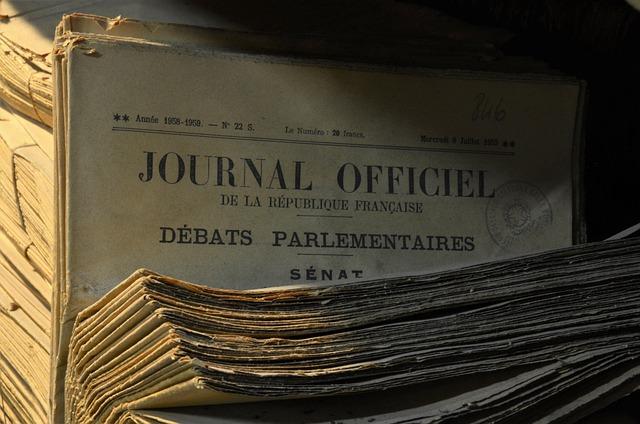
Title: Unpacking the Crises: A Deep Dive into French Politics
In recent years, the landscape of French politics has become increasingly turbulent, marked by deep divisions and growing discontent among the electorate. While France has long been seen as a bastion of democratic values and political stability, the current climate reveals a nation grappling with profound challenges. From rising populism to disillusionment with traditional parties, and from social unrest to shifting alliances, the symptoms of a broader malaise are evident. In this article, we will explore the multifaceted issues plaguing French politics, examining the underlying causes and implications for the future of governance in one of Europe’s most influential nations. As politicians seek to navigate this evolving terrain, it becomes crucial to understand what’s truly at stake for France and its role on the global stage.
The Rise of Political Fragmentation and Its Implications for Governance
The landscape of French politics has undergone a seismic shift, reflecting a broader trend of political fragmentation that is reshaping governance structures across Europe. This fragmentation manifests in multiple ways, including the emergence of new political factions, a decrease in party loyalty, and an increasingly polarized electorate. As traditional parties struggle to maintain their bases, the rise of populist and extremist movements has created a more volatile political environment characterized by shifting alliances and unpredictable electoral outcomes. This situation complicates governance, making it challenging for any single party to secure a stable majority in the National Assembly, leading to:
- Legislative gridlock: Policies are harder to pass, resulting in stalled reforms.
- Instability in leadership: Frequent changes in government can lead to inconsistent policy direction.
- Public disillusionment: Growing voter apathy as citizens feel disconnected from the political process.
The implications of this fragmented political landscape extend beyond immediate governance challenges. The weakening of established parties can erode democratic norms and lead to a populist backlash. As voters turn to alternatives that promise radical change, governments risk alienating segments of the population. This dynamic increases the likelihood of radicalization and extremism, with far-right and far-left parties gaining traction. It is imperative for political leaders to address these concerns proactively through:
- Enhancing civic engagement: Encouraging citizen participation to rebuild trust in democratic processes.
- Promoting dialogue: Fostering discussions between disparate political groups to find common ground.
- Strengthening institutions: Upholding democratic norms to prevent erosion of political stability.
| Challenge | Potential Solutions |
|---|---|
| Legislative Impasse | Incentivize coalitions |
| Voter Apathy | Implement outreach programs |
| Radicalization Risks | Encourage political literacy |
Public Discontent: Understanding the Disconnect Between Leaders and Citizens
The growing rift between French leaders and their citizens has become increasingly apparent in recent years, resulting in a wave of public discontent. Many citizens feel unheard, their concerns overshadowed by political agendas or bureaucratic complexities. This disconnect is evident in various socio-economic factors:
- Rising cost of living: Many families struggle to make ends meet as inflation escalates.
- Youth unemployment: High joblessness rates among young graduates are leading to feelings of hopelessness.
- Social inequality: The divide between urban and rural areas widens, with resources concentrated in metropolitan hubs.
Furthermore, political decisions often seem disconnected from the realities faced by ordinary citizens. Leading figures frequently appear aloof, leading to distrust and skepticism in governance. To illustrate this sentiment, the following table highlights critical issues frequently raised by voters:
| Concern | Citizen Response (%) |
|---|---|
| Corruption | 68% |
| Economic Stability | 74% |
| Climate Change | 82% |
| Public Services | 71% |
The Role of Media in Shaping Political Narratives and Public Perception
The media landscape plays a pivotal role in the way political narratives are constructed and perceived in France. With an increasingly fragmented audience and the rise of digital platforms, traditional news outlets are no longer the sole architects of public discourse. Instead, various forms of media—from social networks to independent blogs—contribute to a cacophony of voices that can either amplify or undermine political messages. This changing dynamic means that parties must adapt their strategies, focusing not just on policy but also on how their messages are framed and delivered. Effective use of multimedia content, including videos and infographics, can significantly influence public sentiment, making it essential for political actors to engage actively with evolving media trends.
Moreover, the balance of media representation is crucial in shaping public perception. When coverage skews towards sensationalism or partisanship, it can distort the realities of political situations, often leaving citizens misinformed. Key factors affecting this balance include:
- Ownership: Media outlets often reflect the interests of their owners, which can lead to biased coverage.
- Accessibility: Digital platforms have democratized information dissemination but have also paved the way for misinformation.
- Algorithmic Influence: Social media algorithms can create echo chambers where like-minded individuals reinforce each other’s views.
To better understand the impact of media on political narratives, consider the following table showcasing recent major political events and their corresponding media portrayal:
| Political Event | Media Coverage Style | Public Reaction |
|---|---|---|
| 2022 Presidential Elections | Polarized Analysis | Divided Support |
| Pension Reforms | Investigative Reporting | Increased Mobilization |
| Climate Change Policies | Outrage and Activism | Growing Awareness |
Reforming Political Engagement: Strategies for a More Inclusive Democracy
As the French political landscape grapples with increasing disenchantment among citizens, one pressing question emerges: how can we foster a more inclusive democracy? The answer may lie in reimagining existing channels of political engagement to better reflect the needs and desires of the populace. Emphasizing community involvement, youth participation, and digital platforms are essential for redefining political communication. By harnessing technology, political leaders can create inclusive forums that encourage dialogue and feedback, moving away from traditional party lines that often alienate segments of the electorate.
Moreover, the integration of civic education in school curricula is imperative for nurturing an informed citizenry. This initiative should focus on teaching the significance of voting, the importance of public discourse, and the role of government. Encouraging grassroots movements can also uplift marginalized voices, ensuring they are not merely token representatives in the political arena. Initiatives like participatory budgeting, where citizens directly influence budgetary decisions, exemplify practical strategies for enhancing public engagement. Implementing these tactics could help to bridge the widening gap between the electorate and their representatives, leading to a more resilient and representative democracy.
Final Thoughts
In conclusion, the challenges plaguing French politics are emblematic of a broader crisis affecting democratic systems worldwide. From the rise of populism to the disillusionment with traditional parties, France’s political landscape is in flux, reflecting deep societal divides and a struggle for identity in an evolving global context. As the nation grapples with its priorities, the pressing need for political reform and renewed civic engagement has never been more apparent. The future of French democracy hinges on the ability of its leaders to address these issues head-on, fostering a more inclusive and resilient political environment. What remains clear is that while the problems are complex and multifaceted, so too are the potential solutions.