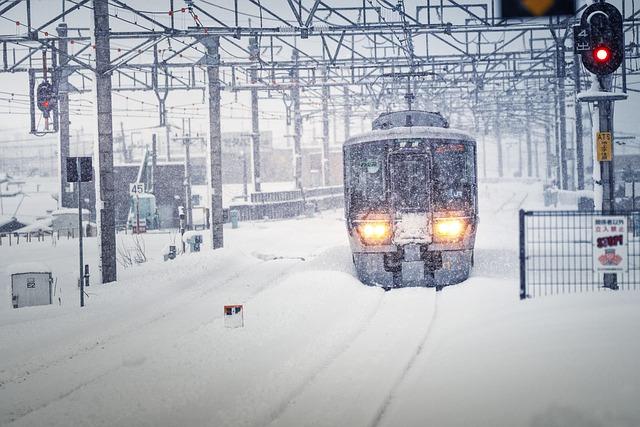
A powerful snowstorm has unleashed widespread disruption across France and the Netherlands, bringing transport to a near standstill. The severe winter weather, dubbed “Winter Havoc,” has triggered significant delays and cancellations in road, rail, and air travel, leaving thousands stranded and impacting daily life. Authorities are struggling to restore normalcy as hazardous conditions persist, prompting urgent warnings for residents in the affected regions. This article provides an in-depth overview of the unfolding crisis and its implications for the transport infrastructure in both countries.
Winter Havoc Brings Major Disruptions Across France and Netherlands
Heavy snowfall and icy conditions have brought significant disruptions to daily life in both France and the Netherlands. Airports in Paris and Amsterdam faced numerous flight cancellations, leading to thousands of stranded travelers and mounting frustration. Rail networks, a crucial part of the region’s transportation, experienced severe delays and suspended services, compounding commuter woes. Local authorities have been mobilizing emergency response teams to clear roads and support residents affected by the extreme weather, while urging the public to avoid non-essential travel.
Key impacts reported include:
- Over 300 domestic and international flights canceled or delayed
- Major highways closed due to snow accumulation and hazardous conditions
- Train routes between major cities suspended or operating on limited schedules
- Power outages affecting thousands of households
- Emergency shelters set up in rural and suburban areas
| Region | Flight Disruptions | Railway Service | Road Closures |
|---|---|---|---|
| ÃŽle-de-France, France | 120 flights canceled | Major delays, partial suspensions | Highways N118 and A1 closed |
| North Holland, Netherlands | 95 flights canceled | Several routes halted | A10 ring road partially closed |
| South Holland, Netherlands | 80 flights canceled | Delays up to 2 hours | Multiple local road closures |
Detailed Impact on Transportation Networks and Public Services
The recent snowstorm brought unprecedented disruption to transportation networks across France and the Netherlands, effectively grinding daily commutes and long-distance travel to a halt. Key highways and regional roads were rendered impassable due to heavy snowfall and icy conditions, with authorities reporting closures and severe delays on several major routes. Critical hubs such as highway A1 in France and the A2 motorway in the Netherlands experienced blockages that stranded thousands of vehicles. Public transportation systems were similarly affected, with trains either delayed or canceled en masse, compounding the chaos for commuters relying on rail services.
Public services struggled to maintain operations during the peak of the storm. Emergency response units were stretched thin responding to weather-related accidents, while municipal services faced challenges in snow clearance and road treatment efforts. To provide a clearer picture of the disruptions, here is a snapshot of key impact areas:
- Rail delays: Up to 70% service reductions on major lines
- Airport closures: Temporary shutdowns at Paris-Charles de Gaulle and Amsterdam Schiphol for up to 8 hours
- Bus service interruptions: Suspension of over 50 routes in affected regions
- Emergency calls: 40% increase in weather-related incidents over 48 hours
| Region | Road Closures | Train Delays | Emergency Calls |
|---|---|---|---|
| ÃŽle-de-France | 35 | 65% | 1200 |
| North Holland | 28 | 70% | 980 |
| East Flanders | 22 | 55% | 650 |
Emergency Response Efforts and Government Advisories
Authorities across France and the Netherlands have rapidly mobilized emergency response teams to tackle the unprecedented disruption caused by the severe snowstorm. In France, over 1,200 rescue workers have been deployed to assist stranded motorists and clear major highways, while emergency shelters have been set up in affected regions to provide refuge for displaced residents. The Dutch government has activated its national emergency protocol, sending snowplows and salt spreaders to key transport hubs and prioritizing the reopening of critical roadways and rail lines.
- Travel advisory: Motorists urged to avoid non-essential travel.
- School closures: Several regions announce temporary shutdowns.
- Public transport: Limited operations with frequent updates recommended.
Both governments have issued explicit advisories emphasizing caution and preparedness. Citizens are encouraged to stock essential supplies, stay tuned to weather updates, and follow official channels for real-time instructions. Coordination between municipal authorities and national agencies aims to minimize hazards and expedite recovery efforts during this ongoing winter crisis.
Safety Tips and Travel Recommendations for Affected Residents
Residents are urged to remain indoors whenever possible as authorities continue efforts to clear roads and restore public transport. Those who must travel should prepare by packing emergency kits that include warm clothing, non-perishable food, bottled water, and essential medications. Keeping mobile devices fully charged and carrying portable chargers is essential for communication during power outages or unexpected delays. Additionally, avoid driving unless absolutely necessary, as icy roads and reduced visibility have led to numerous accidents across affected regions.
Public transport users should stay updated on service disruptions by monitoring official government and transit websites or via mobile apps. For those stranded, local shelters and community centers are available to provide warmth and support. Travelers are advised to notify family or friends about their whereabouts and travel plans. Below is a quick checklist to help prepare for adverse winter conditions:
| Key Item | Reason | Tip |
|---|---|---|
| Warm Clothing | Prevents hypothermia | Layer up and wear waterproof gear |
| Emergency Food | Maintains energy during delays | Pack high-calorie snacks |
| Charged Phone | Enable communication | Carry extra power banks |
| Flashlight | Visibility during power outages | Use LED with spare batteries |
Key Takeaways
As the winter storm continues to disrupt transportation networks across France and the Netherlands, authorities are urging travelers to remain cautious and stay informed on evolving conditions. Emergency services remain on high alert, working to restore mobility and ensure public safety. With forecasts predicting further snowfall, residents and commuters are advised to prepare for continued delays and potential hazards in the coming days. The situation underscores the significant impact severe winter weather can have on infrastructure and daily life across the region.