Title: Unveiling the Legacy: The Casket Girls of New Orleans
Introduction:
As visitors stroll through the vibrant streets of the French Quarter, few are aware of the captivating yet often overlooked story that lies beneath the surface of New Orleans’ rich history. The tale of the Casket Girls, young women brought to the city in the early 18th century to help establish families and balance the gender ratio, offers a poignant glimpse into the complexities of colonial life. These young women, accompanied by their delicate caskets filled with personal belongings, not only shaped the social fabric of New Orleans but also left an indelible mark on its cultural narrative. This article delves into the intriguing origins, experiences, and enduring legacy of the Casket Girls, revealing how their contributions continue to resonate in the city’s vibrant tourism landscape today. Join us as we explore a chapter of history that highlights resilience, community, and the often-unseen roles women played in forging the identity of this iconic city.
Casket Girls and the Founding of New Orleans
The establishment of New Orleans in the early 18th century was not merely a geographic endeavor; it was also a profound social experiment. Among the pivotal figures in this intricate web of colonial development were the Casket Girls, a group of young women brought from France to help populate the nascent city. They arrived in 1728, their names derived from the caskets they carried—containers that held not only their personal belongings but also the hopes of a thriving, balanced community. The women were intended to marry the settlers and bring stability to the fledgling society, a move that was crucial for the growth and sustainability of the new settlement.
These women faced significant challenges as they navigated the complexities of colonial life, ranging from cultural differences to the harsh realities of their new environment. Many of them came from disadvantaged backgrounds, yet they displayed remarkable resilience and adaptability. Their contributions extended beyond mere companionship; they played essential roles in economic activities such as agriculture and trade. Over time, they shaped the identity of New Orleans, melding French traditions with local customs and ultimately influencing the vibrant culture for which the city is renowned today. Here are some key points about the Casket Girls’ contributions:
- Demographic Growth: Addressed the gender imbalance in the colony.
- Cultural Exchange: Brought French customs and traditions to the New World.
- Economic Contributions: Engaged in agriculture and domestic industries.
Cultural Significance of the Casket Girls in Colonial Society
The arrival of the Casket Girls in New Orleans during the 18th century marked a significant turning point in the social fabric of the developing colony. These young women, sent from France in caskets that were misinterpreted to be their coffins, arrived as brides intended to help combat the gender imbalance and facilitate family structures in a frontier society. Their contributions extended beyond mere marriage, as they became pivotal in establishing and enhancing the cultural landscape of New Orleans. The integration of these women into colonial life fostered a blend of customs and traditions that would later define the city’s multicultural identity.
Within colonial society, the Casket Girls were instrumental in several aspects:
- Social Stability: By marrying and settling down, they helped stabilize a rapidly growing population.
- Cultural Influence: They introduced French customs, cuisine, and social norms, which became a fundamental part of New Orleans culture.
- Community Building: Their roles in families and communities helped foster relationships among settlers, leading to a more cohesive society.
In many ways, the Casket Girls symbolized resilience and adaptability, embodying the spirit of New Orleans as a melting pot of cultures. Their legacy is evident not only in the vibrant social dynamics of the city but also in its culinary, artistic, and architectural heritage, highlighting the importance of these women in shaping the future of a unique American city.
Exploring Casket Girls’ Legacy in Modern New Orleans
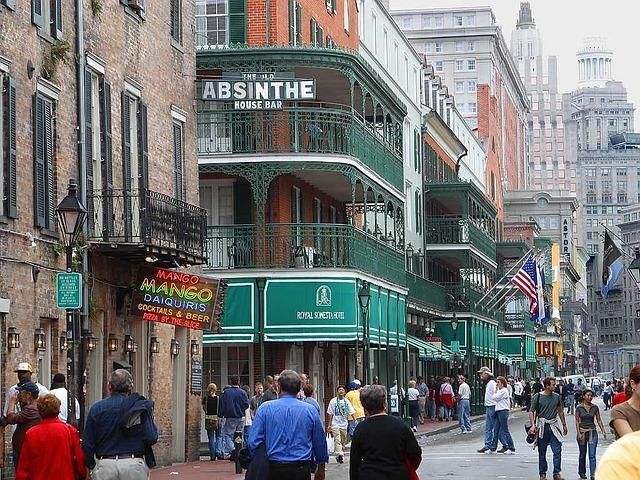
In the heart of the French Quarter, the legacy of the Casket Girls continues to shape the vibrant culture of modern New Orleans. These young women, brought over from France in the 18th century, were integral in establishing familial roots and a sense of community in a burgeoning city. Today, the impact of their stories is evident in the city’s art, music, and culinary scenes. Visitors can explore this rich history through various tours that spotlight significant locations linked to the Casket Girls, immersing themselves in tales of resilience and empowerment.
The fascination with the Casket Girls also extends to local businesses and attractions that pay homage to their memory. Events such as historical reenactments and art exhibitions celebrate their contributions while also addressing the myths and truths surrounding their arrival. A few highlights to consider when exploring this unique legacy include:
- Casket Girls Tours: Guided walks through the French Quarter.
- Art Installations: Exhibits inspired by their stories in local galleries.
- Culinary Events: Food festivals featuring French cuisine influenced by their heritage.
Tourist Attractions and Historical Sites Related to the Casket Girls
Visitors to New Orleans can explore several key sites that illuminate the intriguing history of the Casket Girls. One notable attraction is the Cabildo, where the early governance of Louisiana is documented. This historic building houses exhibits detailing the city’s colonial past, including artifacts related to the women who arrived in caskets purportedly to wed French settlers. Another significant site is the The Ursuline Convent, which stands as one of the oldest structures in the city. Originally built to accommodate the Ursuline nuns and the Casket Girls, this convent today showcases the role these women played in the city’s development, and visitors can view the stunning architecture that has withstood centuries.
Additionally, take a stroll through the French Quarter, where the vibrant streets tell tales of the past. Highlighted here are locations like Chartres Street, infamous for its links to the stories of the Casket Girls, and Jackson Square, where many historic events unfolded. For those looking to delve deeper into this unique narrative, guided tours focusing on the Casket Girls’ legacy often traverse these pivotal spots. Some tours even include a visit to St. Louis Cathedral, a focal point of community life since its founding, linking directly to the origins of many early New Orleans stories, including that of the Casket Girls.
Concluding Remarks
As we conclude our exploration of the Casket Girls of New Orleans, it is evident that their story is woven into the very fabric of the city’s rich history. From their arrival in the 18th century as part of a strategic effort to bolster the population to their lasting impact on the cultural and social landscape of New Orleans, the legacy of these young women continues to resonate today.
Their tale is not just one of hardship and resilience—it is a testament to the complexities of identity, community, and the immigrant experience in America. For those visiting the Crescent City, understanding the history of the Casket Girls adds a deeper layer to the vibrant narratives that define New Orleans.
As tourism flourishes, we invite you to immerse yourself in the city’s enchanting past, where stories like that of the Casket Girls meet the lively culture and hospitality of modern-day New Orleans. Whether exploring historic neighborhoods or wandering through museums, the echoes of the Casket Girls remind us that every corner of this city holds a story waiting to be discovered.