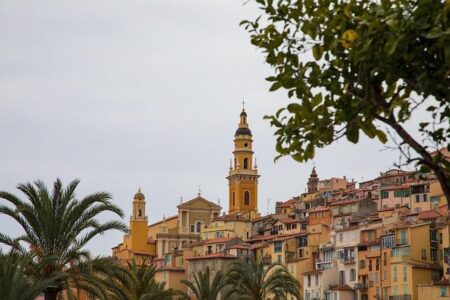
Italy Joins European Efforts to Combat Overtourism with New Regulations
In a significant move aimed at addressing the mounting pressures of overtourism, Italy has joined a coalition of European nations, including Spain, France, Greece, the Netherlands, and Portugal, in implementing stringent tourism regulations across its most iconic cities. As popular destinations such as Rome, Barcelona, Paris, Athens, and Amsterdam grapple with the adverse effects of mass tourism, policymakers are taking decisive steps to preserve their cultural heritage and ensure sustainable travel. The rising tide of visitors has prompted the need for careful management, prompting these countries to introduce measures designed to balance economic benefits with the quality of life for residents and the overall visitor experience. This article explores the implications of these regulations and the collaborative efforts to redefine tourism in Europe’s most cherished locales.
Italy’s Bold Move: New Regulations to Tackle Overtourism Across Europe
In a decisive effort to balance tourism with the preservation of cultural heritage, Italy has unveiled a suite of new regulations aimed at curbing overtourism, joining a coalition of European countries that have adopted similar measures. Key cities such as Rome, Florence, and Venice are poised to implement these regulations, which include visitor caps, increased fees, and designated tourist hours. By targeting specific areas most affected by the influx of travelers, officials hope to maintain the integrity of iconic sites while providing a more enjoyable experience for both locals and visitors.
Experts suggest that these regulations are not just a stopgap but a necessary evolution in how popular destinations manage their tourism sectors. Expected measures include:
- Limiting access to certain popular attractions during peak seasons.
- Dynamic pricing for entry fees based on demand.
- Incentives for off-peak travel to encourage dispersion of visitors.
The collaboration among nations like Spain, France, and Greece further highlights a growing pan-European strategy to protect cultural assets while also addressing the environmental impacts of mass tourism. As Italy takes this bold step, the ripple effects could lead to a transformative approach to sustainable tourism across the continent.
Impact on Local Economies: Balancing Tourism Growth and Community Wellbeing
As European destinations grapple with the challenges of overtourism, the balance between economic benefit and community welfare has become increasingly delicate. Cities like Rome, Barcelona, and Amsterdam are implementing stringent regulations aimed at mitigating the adverse effects of excessive visitor numbers. This move is not just about preserving local cultures but also about maintaining the quality of life for residents. The economic implications are profound, as these cities strive to create a sustainable tourism model that benefits both visitors and locals. Key stakeholders, including municipal governments, local businesses, and community organizations, are coming together to shape policies that reflect this new ethos.
New restrictions, such as visitor caps and environmental guidelines, aim to promote responsible tourism and protect vital resources. For instance, various destinations are focusing on:
- Encouraging off-peak travel through promotional campaigns
- Investing in community-based tourism that prioritizes local engagement
- Enhancing public transport to reduce congestion in tourist hotspots
As these regulations take root, their impact on local economies can be seen in shifting patterns of revenue redistribution. Traditional tourism hotspots are beginning to diversify their attractions, thereby fostering an economy that not only thrives on tourist dollars but also prioritizes community wellbeing and sustainability.
Key Destinations Under Review: High-Profile Cities Face Stricter Access Controls
In a concerted effort to combat overtourism, several prominent European cities are implementing stricter regulations aimed at managing visitor access. With the increasing strain on local infrastructure and the ecological impacts of mass tourism, destinations such as Rome, Barcelona, and Paris are taking proactive measures to ensure sustainable tourism practices. These measures include limiting the number of tourists allowed in historical sites, implementing entry fees for popular attractions, and regulating short-term rentals that have contributed to local housing shortages.
The new regulations not only aim to protect cultural heritage sites but also enhance the quality of life for residents. Key cities have started introducing a range of strategies including:
- Mandatory reservations for entry to major landmarks
- Time-limited tourist passes for peak seasons
- Nighttime restrictions on tourist activities in residential areas
- Increased fines for overcrowding and regulations violations
A recent survey showed that local authorities hope these initiatives will lead to a more balanced tourism landscape, benefiting both residents and visitors alike by promoting a sustainable approach to travel.
Future of Travel: Sustainable Practices and Recommendations for Tourists
The recent wave of regulations across iconic European destinations like Rome, Barcelona, and Paris signals a significant shift toward sustainable tourism practices. Authorities are enforcing measures to combat the adverse effects of overtourism, with the aim of preserving cultural heritage and ensuring a positive experience for both visitors and locals. This includes limiting the number of daily visitors to major attractions, implementing entrance fees, and encouraging off-peak travel. Tourists are urged to embrace responsible travel habits that align with these new guidelines, including:
- Traveling during off-peak seasons to lessen the burden on popular destinations.
- Exploring lesser-known locales which not only reduces congestion in tourist hotspots but also supports local economies.
- Choosing eco-friendly accommodations that prioritize sustainability in their operations.
- Adopting a lower-impact travel itinerary, focusing on walking, cycling, or using public transportation instead of renting cars.
As European countries tighten their tourism policies, it’s crucial for travelers to adapt and align their practices with the local regulations. Understanding specific restrictions in each destination can enhance the travel experience while also contributing to the preservation of the places they visit. Engaging with local communities, participating in conservation efforts, and supporting small businesses will not only enrich visitors’ experiences but also foster sustainable tourism. Below is a simplified comparison of new regulations across these popular cities:
| City | Visitor Limit (Daily) | Entrance Fee (Attractions) |
|---|---|---|
| Rome | 20,000 | €5-€15 |
| Barcelona | 10,000 | €10-€20 |
| Paris | 15,000 | €12-€25 |
| Athens | 5,000 | €8-€12 |
| Amsterdam | 8,000 | €15-€25 |
To Wrap It Up
In conclusion, Italy’s recent decision to implement strict tourism regulations alongside Spain, France, Greece, the Netherlands, and Portugal marks a significant step towards sustainable travel in Europe. As cities like Rome, Barcelona, Paris, Athens, and Amsterdam grapple with the challenges of overtourism, these measures aim to preserve cultural heritage, protect local communities, and enhance the visitor experience. The collaborative efforts across these key destinations reflect a growing recognition of the need for responsible tourism practices. As travelers navigate the European landscape, embracing these changes will be essential in ensuring that the beauty and history of these iconic locations remain intact for future generations. The time has come for a balanced approach to travel—one that prioritizes the well-being of both visitors and residents alike.