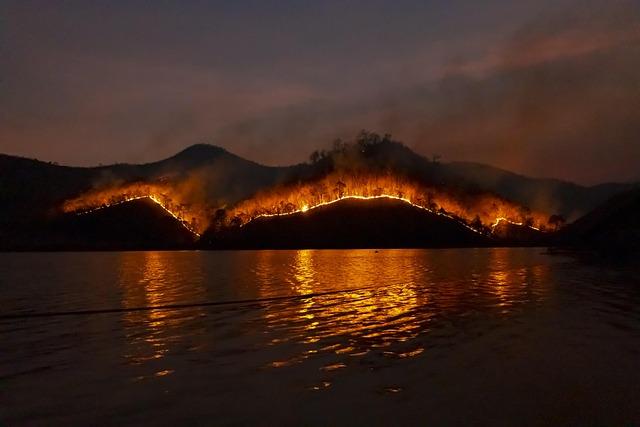
Major Wildfire Near Marseille Forces Airport Closure
In a dramatic turn of events, a sizable wildfire raging near Marseille, France, has prompted the shutdown of the city’s airport, disrupting travel plans for thousands. The blaze, fueled by unseasonably dry conditions and high temperatures, poses a significant threat to both the local environment and public safety. Emergency services are currently engaged in a massive effort to contain the flames, which have already devastated vast stretches of land. As firefighters battle the inferno, concerns mount over the impact on the region’s infrastructure and the potential for further evacuations. This incident sheds light on the increasing frequency and intensity of wildfires across southern Europe, raising alarms about climate change implications and the preparedness of local authorities to respond effectively.
Major Wildfire Disrupts Air Travel in Marseille
Authorities in the region are grappling with the aftermath of a massive wildfire that has brought operations at Marseille Provence Airport to a standstill. The blaze, which erupted in the nearby hills, has been fueled by high temperatures and strong winds, leading to extensive evacuations and road closures. Local fire services have mobilized significant resources to combat the flames, but the situation remains precarious, with the fire spreading rapidly across several acres of land. As a result, travelers are advised to check the status of their flights, as numerous airlines have canceled or delayed operations due to safety concerns.
In response to the unfolding crisis, both regional authorities and the French government are prioritizing emergency procedures to ensure public safety. Key measures include:
- Evacuations: Thousands of residents from nearby communities have been relocated to safer areas.
- Firefighting efforts: Several fire brigades have been deployed, including aerial support for effective containment.
- Public Alerts: Officials are issuing regular updates to keep the community informed about the evolving situation.
| Airport Status | Flight Impact | Alternative Options |
|---|---|---|
| Closed | Many cancellations | Transport to Nice or Toulon airports |
| Open for limited operations | Delays expected | Ground transport options |
Impact on Local Communities and Environmental Concerns
The recent wildfire near Marseille has not only disrupted local air travel, causing the airport to halt operations, but has also raised significant concerns for nearby communities. Residents, particularly those in Les Pennes-Mirabeau, have faced immediate threats to their homes and livelihoods. The evacuation of thousands reflects the severity of the situation, where smoke and flames encroach upon suburban landscapes. This crisis highlights the delicate balance between urban expansion and environmental sustainability, prompting urgent discussions about fire preparedness and urban planning.
Moreover, the environmental ramifications of such wildfires are profound. The loss of biodiversity, the destruction of habitats, and increased carbon emissions are immediate results that extend far beyond the current crisis. Local officials are now tasked with addressing both short-term relief and long-term recovery strategies. This includes:
- Reforestation efforts to restore affected areas
- Enhanced firebreaks to mitigate future incidents
- Community education programs on fire safety and prevention
As these strategies develop, the resilience of Marseille’s communities will be put to the test, questioning whether they can learn from this incident to protect both their neighborhoods and the environments they inhabit.
Emergency Response and Firefighting Strategies in Action
The recent major wildfire near Marseille has highlighted the critical need for effective emergency response and firefighting strategies. With flames consuming thousands of acres, local authorities have mobilized resources to combat the blaze. Firefighters, equipped with specialized gear, employed both aerial and ground tactics to control the situation. The challenge was compounded by high winds and dry conditions, necessitating rapid coordination among various agencies. Strategies implemented included:
- Aerial firefighting: Helicopters and water bombers were deployed to drop suppressants on flames.
- Evacuation plans: Immediate measures were taken to evacuate nearby residents and ensure public safety.
- Community engagement: Local authorities worked with volunteers to provide support and resources.
Additionally, the impact of the wildfires extended beyond just the immediate area, leading to the temporary shutdown of Marseille’s airport, disrupting travel plans for thousands. Emergency responders adapted their strategies by establishing a command center to manage operations effectively, coordinating with meteorological services to monitor weather conditions closely. Their approach included:
| Response Strategy | Outcome |
|---|---|
| Containment Lines | Controlled the spread of flames |
| Firebreak Construction | Reduced fuel sources |
| Public Alerts | Enhanced community awareness and safety |
The commitment of firefighters and emergency responders during this crisis illustrates the importance of preparedness and quick action in the face of disasters. As the situation evolves, ongoing assessments and adjustments will be essential in preventing further damage and ensuring safety for all affected parties.
Recommendations for Future Prevention and Preparedness Measures
As the wildfire crisis near Marseille unfolds, the need for comprehensive prevention and preparedness measures has become increasingly apparent. Implementing a multi-faceted strategy can significantly mitigate the risks associated with future incidents. Key recommendations include:
- Enhanced Surveillance: Deploying advanced drone technology and satellite imagery to monitor high-risk areas in real-time.
- Community Engagement: Increasing public awareness through educational campaigns focused on fire safety and prevention techniques.
- Improved Infrastructure: Investing in firebreaks, controlled burns, and maintenance of vegetation to create natural fire barriers.
Additionally, coordination between government agencies, local communities, and international organizations is crucial for effective emergency response. Strategies should involve:
- Integrated Response Plans: Formulating clear, actionable emergency protocols that outline roles and responsibilities.
- Resource Allocation: Ensuring strategic stockpiles of firefighting equipment and resources are readily available in vulnerable zones.
- Regular Drills: Conducting mock fire evacuation exercises to prepare communities for quick action during an actual emergency.
Insights and Conclusions
In summary, the recent wildfire near Marseille has not only posed a significant threat to the natural environment but also disrupted vital transportation links, including operations at the Marseille-Provence Airport. As firefighting efforts continue and authorities work to assess the full extent of the damage, residents and travelers alike remain on high alert. The incident serves as a stark reminder of the increasing frequency and intensity of wildfires in southern Europe, prompting discussions about climate resilience and emergency response measures. As the situation develops, updates will be provided to ensure the public remains informed and safe.