Introduction
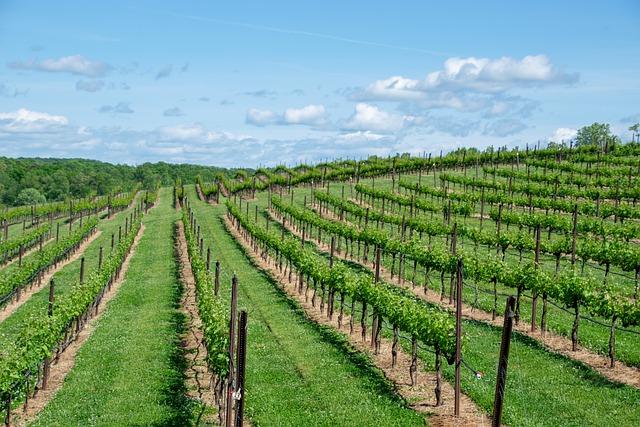
In the rolling vineyards of Bordeaux, a transformative wave is sweeping through one of the world’s most famous wine regions. Faced with the dual challenges of climate change and evolving consumer expectations, Bordeaux winemakers are adopting more responsible and sustainable practices. This shift is not merely an ethical response; it is a strategic move aimed at preserving the essence of this storied region while ensuring its viability for future generations. As producers integrate innovative techniques and sustainable methods, the landscape of Bordeaux wine is poised for a significant change, signaling a new era where tradition meets responsibility. In this article, we explore how these changes are reshaping the industry and the implications for wine lovers globally.
Bordeaux Winemakers Embrace Sustainable Practices Amid Climate Change Challenges
The picturesque vineyards of Bordeaux are undergoing a profound transformation as winemakers respond to the escalating threats posed by climate change. Many producers are adopting sustainable viticultural methods aimed at enhancing resilience while maintaining the region’s renowned quality. Techniques such as cover cropping, integrated pest management, and the use of bio-dynamic fertilizers are gaining traction. By focusing on the soil’s health and biodiversity, vintners are not only protecting their yields but also contributing to the broader environmental landscape.
According to a recent survey, more than 70% of Bordeaux winemakers are now implementing some form of sustainability in their practices. This shift reflects a growing commitment to both the environment and future generations. Innovations such as solar energy for operations and water conservation techniques are becoming standard practices. Alongside these advancements, collaborations within the region are fostering a spirit of innovation, as producers share resources and knowledge to tackle shared challenges. The following table outlines key sustainable practices along with their benefits:
| Practice | Benefit |
|---|---|
| Cover Cropping | Improves soil health and reduces erosion |
| Integrated Pest Management | Minimizes chemical use and enhances biodiversity |
| Bio-dynamic Fertilizers | Promotes natural growth and resilience |
| Solar Energy | Reduces carbon footprint of production |
| Water Conservation Techniques | Ensures sustainable irrigation practices |
Innovative Techniques Enhance Environmental Responsibility in Wine Production
Bordeaux winemakers are embracing a range of innovative techniques aimed at boosting their environmental responsibility. One of the most notable practices is the implementation of sustainable vineyard management, which emphasizes organic farming methods. Winemakers are increasingly opting for natural pest control methods and cover cropping to enhance soil health. Additionally, precision viticulture is gaining traction, utilizing technology to monitor and manage vineyard conditions more efficiently, which helps reduce water usage and minimizes the reliance on chemical inputs.
Moreover, the adoption of renewable energy sources in the production process is making a significant impact. Many wineries are now investing in solar panels and bioenergy systems to power their operations, reducing their carbon footprint. To further enhance sustainability, there’s a growing trend towards using recyclable packaging materials and minimizing waste in the production line. A shift to lighter bottles is also being observed, which not only cuts down on material use but also lowers transportation emissions. These practices collectively demonstrate Bordeaux’s commitment to a greener future and set a precedent for responsible wine production globally.
Collaboration with Local Communities Fuels Sustainable Development in Bordeaux
In Bordeaux, a growing number of winemakers are recognizing that sustainable development is not merely a trend, but a necessity for the future of their industry. By engaging with local communities, these producers are not only enhancing their practices but also fostering a shared responsibility towards environmental stewardship. This collaboration takes many forms, including:
- Workshops: Local farmers and vineyard owners participate in educational sessions on organic farming techniques.
- Community Gardens: Initiatives to create urban gardens that promote biodiversity and support local food systems.
- Feedback Forums: Winemakers are opening channels for community input, ensuring their practices align with local values and needs.
Furthermore, data collected from various partnerships show promising outcomes. A recent survey conducted among cooperative members in the region revealed significant positive changes:
| Year | Organic Land Area (hectares) | Local Employment Opportunities |
|---|---|---|
| 2021 | 1500 | 200 |
| 2022 | 2500 | 300 |
| 2023 | 3500 | 500 |
These statistics demonstrate a tangible commitment to sustainable practices, with a notable increase in both organic farming areas and local job creation. The evolution of Bordeaux’s winemaking community showcases how proactive engagement with local stakeholders can lead to a more sustainable and resilient future for the wine industry.
Future-Proofing the Industry: Recommendations for Responsible Winemaking Practices
Bordeaux winemakers are increasingly recognizing the importance of sustainable practices not just for environmental reasons, but also to ensure the longevity of their craft. Transitioning to organic farming methods is a primary focus, as vintners aim to reduce chemical inputs that can harm ecosystems and soil health. Many vineyards are adopting integrated pest management strategies and incorporating cover crops to promote biodiversity and enhance soil quality. These practices not only contribute to a more resilient vineyard but also improve the overall quality of the grapes, presenting a compelling case for responsible production methods.
Furthermore, investment in renewable energy sources is becoming a hallmark of modern Bordeaux winemaking. Solar panels are increasingly being installed on vineyard buildings, reducing reliance on fossil fuels and contributing to a smaller carbon footprint. Water conservation techniques, such as drip irrigation and rainwater harvesting, are also gaining traction. To summarize these trends, the following table highlights key recommendations for Bordeaux winemakers looking to adopt responsible practices:
| Recommendation | Impact |
|---|---|
| Switch to Organic Practices | Enhances soil health and grape quality |
| Implement Pest Management | Promotes biodiversity and reduces chemical use |
| Adopt Renewable Energy | Reduces carbon footprint and operational costs |
| Conserve Water | Ensures sustainability amidst climate changes |
In Conclusion
In conclusion, Bordeaux winemakers are navigating a significant shift towards sustainable practices, driven by both environmental necessity and consumer demand. As global climate challenges intensify, the region’s iconic producers are embracing innovative methods and responsible sourcing, ensuring the longevity of their trade and the preservation of their renowned terroir. This evolution not only reflects a growing awareness of ecological stewardship but also positions Bordeaux as a leader in the global shift towards sustainability in the wine industry. As these changes take root, the world will be watching how this historic region balances tradition with the imperative for responsible winemaking, thereby securing its legacy for generations to come.