Introduction
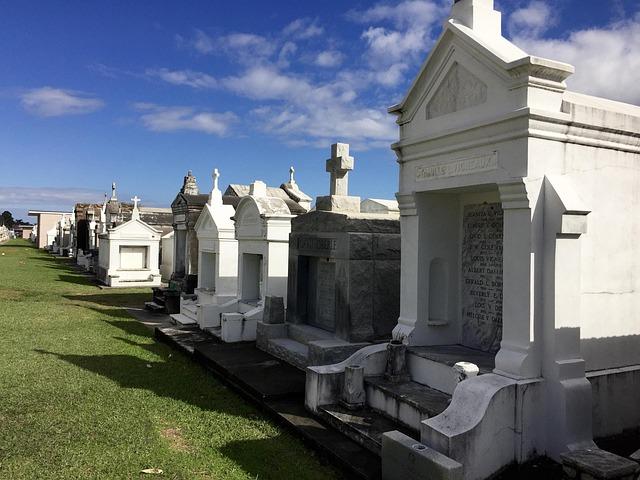
As New Orleans grapples with its unique cultural and historical identity, one of its most intriguing features continues to raise questions: the aboveground cemeteries. Known for their ornate tombs and mausoleums, these burial sites have become emblematic of the city’s rich heritage. Yet, beneath the picturesque façade lies a complex history that includes the specter of floating corpses. Historians and experts are now weighing in to explore whether these haunting occurrences influenced the transition from traditional in-ground burials to the distinctive aboveground sepulchers that define the Crescent City. As we delve into this enigmatic aspect of New Orleans’ past, we uncover the interplay between geography, climate, and cultural practices that have forever shaped the way the city commemorates its dead.
Reasons Behind New Orleans’ Unique Burial Practices
The burial customs in New Orleans are deeply intertwined with the city’s geography and climate. Aboveground tombs, known as mausoleums or sepulchres, have become emblematic of the region due to the area’s high water table and frequent flooding. Historians argue that these practices evolved predominantly out of necessity, aimed at preventing the horrific spectacle of bodies floating to the surface during heavy rains. Beyond practical considerations, cultural influences from various communities—including French, Spanish, and African traditions—further shaped these unique burial methods, blending practicality with ceremony and spirituality.
Moreover, the notion of death in New Orleans transcends the physical act of burial, fostering a rich tapestry of rituals and celebrations surrounding the deceased. The process often includes vibrant funerals that reflect the city’s dynamic culture, characterized by music and processions that bring a sense of community to grief. These customs emphasize a profound connection to family and ancestry, reinforcing why many residents prefer aboveground sepulchres as a way to honor their loved ones. The city’s unique approach to honoring the dead thus remains a lively testament to its storied past and resilience in the face of environmental challenges.
Historical Accounts of Floating Corpses During Floods
The practice of interring the dead above ground in New Orleans’ unique cemeteries can be traced back to a tumultuous history marked by both natural disasters and cultural practices. Flooding has plagued the region for centuries, and historical accounts reveal that rising waters often led to the troubling sight of floating corpses in the streets. Notably, sources indicate that after devastating floods, such as those in the late 19th century, many bodies were unearthed from their resting places, leading to the grim reality of waterborne remains. This horrific phenomenon spurred local leaders to seek alternatives that would prevent similar tragedies in the future, favoring the construction of mausoleums and tombs built above the ground.
As New Orleans evolved, so too did its burial practices, influenced by a blend of African, French, Spanish, and Creole customs. The decision to create elaborate above-ground crypts was not solely reactive to flooding; it also reflected a deep-seated cultural reverence for the deceased. The adoption of this practice led to the establishment of iconic cemeteries, where the unique architectural styles and communal burial practices illustrate the city’s rich historical tapestry. Many argue that these above-ground cemeteries serve not just as a solution to the rising waters but also as a testament to the resilience and adaptability of a city that has continuously faced the ebb and flow of life and death.
- Floating Corpses: Historical records mention significant floods resulting in visible remains.
- Cultural Influences: Diverse customs shaped the unique burial practices seen today.
- Mausoleums: Above-ground burial became a practical and cultural solution.
| Year | Significant Flood | Impact on Burial Practices |
|---|---|---|
| 1849 | Great Flood | Earliest reports of floating remains |
| 1864 | Destructive Hurricane | Led to major cemetery reforms |
| 1927 | Mississippi Flood | Strengthened above-ground burial trends |
Experts Analyze the Impact of Geography on Cemetery Design
The unique geography of New Orleans has dramatically shaped its cemetery design, leading to the emergence of aboveground interments. Given that much of the city is situated below sea level, traditional burial methods became impractical. Historians have pointed to a variety of factors that influenced this architectural choice, including:
- Flooding Risks: The risk of water inundating graves compelled a shift to aboveground vaults.
- Soil Composition: The overwhelming clay and limestone in the region hindered the digging of deep graves.
- Cultural Influences: French and Spanish colonial practices encouraged vault construction, which became integral to local traditions.
Further analysis reveals that the presence of water at shallow depths not only led to floating corpses but also created a cultural ethos around death and remembrance. Cemeteries in New Orleans reflect a rich tapestry of influences, resulting in distinctive features that are visually and historically significant. These include:
| Design Element | Purpose |
|---|---|
| Aboveground Vaults | Prevent water inundation |
| Intricate Ironwork | Cultural expression and identity |
| Family Tombs | Preserve lineage and heritage |
Preserving Cultural Heritage and Addressing Modern Concerns
The unique aboveground cemeteries of New Orleans are deeply intertwined with the city’s cultural heritage, serving as both burial grounds and artistic landmarks. Historians shed light on the innovative responses to the city’s challenging geography, where high water tables posed significant risks to traditional interment practices. This preservation of cultural identity not only reflects historical necessity but also highlights the city’s commitment to honoring its ancestors. These ornate mausoleums and crypts, which often bear intricate designs and personal inscriptions, offer a glimpse into the socio-religious ethos of the communities they represent.
However, as New Orleans faces modern concerns such as urban development and climate change, the preservation of these historical sites is threatened. The delicate balance between heritage conservation and contemporary urban needs raises critical questions, particularly about how to maintain these sacred spaces without compromising their integrity. Stakeholders are now emphasizing the need for sustainable tourism practices and community involvement in preservation efforts. Here are a few ways to tackle these modern challenges:
- Community Engagement: Involving local residents in preservation initiatives to foster a sense of ownership.
- Sustainable Practices: Implementing eco-friendly methods in maintenance and tourism management.
- Educational Programs: Raising awareness of cultural significance to encourage broad appreciation and support.
The Way Forward
In conclusion, the unique aboveground cemeteries of New Orleans are deeply intertwined with the city’s complex history of flood management, cultural practices, and public health. While the specter of floating corpses might capture the imagination, historians emphasize that this phenomenon is part of a broader narrative of adaptation and resilience in the face of an ever-changing environment. As New Orleans continues to navigate the challenges posed by climate change and urban development, the aboveground tombs serve not only as final resting places but also as poignant reminders of the city’s enduring spirit and rich cultural heritage. Understanding this history allows us to appreciate the intricacies of a city that has always danced delicately between the living and the dead.