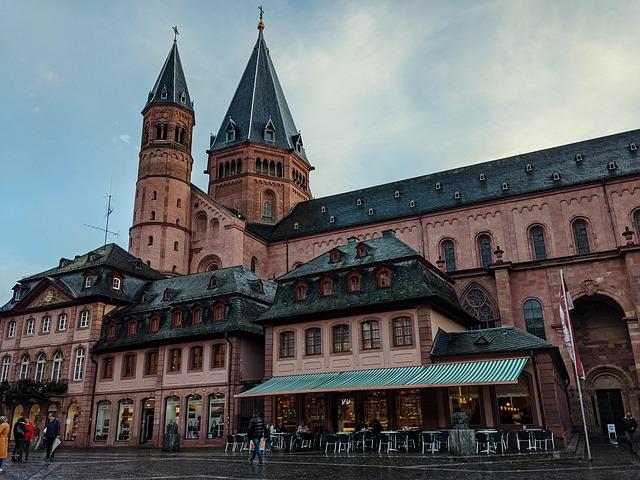
Germany, France, and Spain are emerging as the frontrunners in the next wave of global education destinations, signaling a significant shift in international student preferences. According to a recent report by The Economic Times, these European nations are attracting increasing numbers of students from around the world, driven by factors such as affordable tuition, quality academic programs, and vibrant cultural experiences. This trend highlights a diversification in study abroad choices, moving beyond traditional hubs like the US and UK, as students seek new opportunities for academic and personal growth in Europe.
Germany’s Expanding Appeal Draws International Students with Robust Scholarship Programs
Germany continues to cement its position as a top choice for international students, driven by an expanding repertoire of robust scholarship programs that alleviate financial barriers. Institutions across the country offer merit-based and need-based scholarships tailored to diverse fields of study, ranging from engineering to humanities. These initiatives have been instrumental in boosting enrollment numbers, particularly among students from Asia and Africa, who seek quality education without exorbitant tuition fees. Moreover, the German government’s commitment to supporting research through dedicated grants enhances academic opportunities, fostering a vibrant ecosystem that attracts global talent.
The appeal is further amplified by Germany’s strategic collaborations between universities and industry leaders, ensuring that scholarship recipients not only gain access to world-class education but also to practical training and employment prospects. A quick look at the scholarship distribution highlights the balanced support provided across various academic disciplines:
| Scholarship Type | Target Field | Average Award (€) |
|---|---|---|
| DAAD Scholarships | Science & Technology | 10,000 per year |
| Deutschlandstipendium | All Disciplines | 300 monthly |
| Heinrich Böll Foundation | Social Sciences & Humanities | 800 monthly |
France’s Strategic Investment in Higher Education Fuels Growth in Global Enrollment
Over the past decade, France has implemented a range of strategic policies aimed at elevating its higher education system on the global stage. These initiatives prioritize funding for research, international partnerships, and infrastructure development. The result is a dynamic academic ecosystem that attracts a growing number of students from Asia, Africa, and the Americas, fostering a vibrant multicultural campus environment. France’s emphasis on accessible tuition fees and extensive scholarship programs has further solidified its reputation as a study destination of choice.
Key drivers behind France’s enrollment surge include:
- Expansion of English-taught degree programs
- Strengthened ties with leading universities worldwide
- Investment in cutting-edge research facilities
- Government-backed initiatives to support international student integration
| Year | International Enrollment (in thousands) | Government Funding (in million €) |
|---|---|---|
| 2018 | 320 | 850 |
| 2019 | 370 | 920 |
| 2020 | 420 | 1,050 |
| 2021 | 475 | 1,180 |
Spain’s Affordable Living and Diverse Cultural Experience Attracts a New Generation of Learners
Spain has emerged as a magnet for international students drawn by its exceptional blend of affordability and cultural richness. Compared to other Western European countries, Spain offers significantly lower living costs without compromising quality of life, making it accessible for learners from diverse economic backgrounds. Cities like Madrid, Barcelona, and Valencia provide vibrant environments where students can immerse themselves in history, art, and contemporary lifestyle, fostering both academic growth and personal development.
Beyond cost, Spain’s dynamic cultural landscape presents a unique opportunity for global learners to engage with traditions and modern influences. Key attractions that contribute to this enriching experience include:
- Historic Festivals: Celebrations such as La Tomatina and Semana Santa offer unforgettable cultural immersion.
- Language Diversity: Opportunities to study Castilian Spanish alongside regional languages like Catalan and Basque.
- Cuisine and Social Life: Tapas culture and vibrant night scenes foster social interactions and networking.
| City | Average Monthly Living Cost (€) | Popular Study Fields |
|---|---|---|
| Madrid | 900 | Business, Arts |
| Barcelona | 850 | Engineering, Design |
| Valencia | 800 | Science, Humanities |
Experts Recommend Strengthening Language Support and Career Services to Enhance Student Integration
As international education hubs, Germany, France, and Spain are rapidly attracting a diverse student population. Experts emphasize that to fully capitalize on this trend, universities must bolster their language support programs, enabling smoother academic transitions and daily interactions. Offering intensive language courses tailored to various proficiency levels, conversational clubs, and digital language labs can substantially improve student confidence and reduce dropout rates. Moreover, fostering multilingual environments encourages cultural exchange and broadens students’ global outlook, making campuses more inclusive and dynamic.
Beyond linguistic skills, career services play a pivotal role in shaping successful student integration. Institutions are advised to expand their support through tailored career counseling, internship placements, and skills workshops aligned with local labor markets. A comparative overview of career service initiatives in these countries highlights their strategic focus areas:
| Country | Key Career Service Features | Impact |
|---|---|---|
| Germany | Industry partnerships, Apprenticeship programs | High employment rates post-graduation |
| France | Career fairs, Multilingual job portals | Strong international employer connections |
| Spain | Internship networks, Resume-building workshops | Enhanced student skills and job readiness |
Key strategies recommended include:
- Personalized language tutoring with native speakers.
- Virtual mentoring with alumni and industry leaders.
- Integration-focused career events and webinars.
- Continuous skill development aligned with labor market needs.
In Retrospect
As Germany, France, and Spain continue to attract a growing number of international students, their rising prominence reshapes the global education landscape. With competitive programs, vibrant cultural experiences, and expanding post-study opportunities, these European nations are emerging as key players in the next wave of global education destinations. Stakeholders in academia and policy will closely watch how these trends evolve, potentially redefining student mobility patterns for years to come.