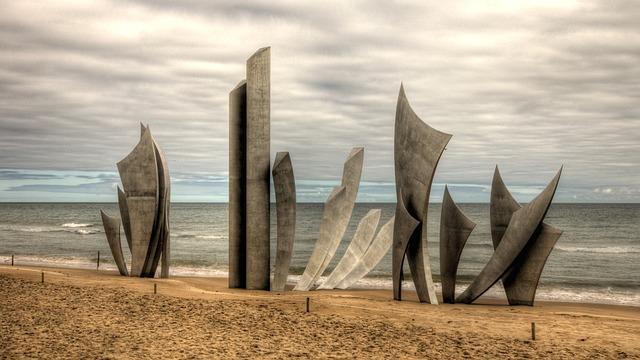
D-Day and the Normandy Campaign: A Look Back at the Turning Point of WWII at The National WWII Museum
As the world commemorates the pivotal moment of June 6, 1944, when Allied forces stormed the beaches of Normandy, The National WWII Museum in New Orleans invites visitors to delve deeper into the events that shaped history. The D-Day landings, one of the most significant military operations in modern warfare, marked the beginning of the liberation of Western Europe from Nazi occupation. This article explores the museum’s extensive exhibits and programs dedicated to the Normandy Campaign, highlighting not only the bravery of those who fought but also the tactical innovations that turned the tide of the war. Join us as we unravel the stories behind the heroism, strategy, and sacrifice that defined this monumental chapter in history.
The Historical Significance of D-Day in the Normandy Campaign
D-Day, the Allied invasion of Normandy on June 6, 1944, marked a pivotal turning point in World War II. The meticulous planning that preceded this massive undertaking was a testament to the Allies’ commitment to liberating occupied Europe. Over 156,000 troops from the United States, United Kingdom, Canada, and various other nations stormed the beaches of Normandy, overcoming formidable defenses and harsh weather conditions. This operation set the stage for the subsequent liberation of Western Europe from Nazi control, effectively diminishing the Axis powers’ grip on the continent.
The Normandy Campaign was not just a military operation; it reverberated throughout history, forging alliances and fostering a spirit of resilience among the Allied nations. Key outcomes of D-Day included:
- Strategic foothold: Establishing a crucial base for operations in Europe.
- Allied unity: Strengthening collaboration among nations against a common foe.
- Public morale: Boosting civilian support for the war effort following initial successes.
Table of Major D-Day Landings:
| Beach Name | Landing Force | Casualties |
|---|---|---|
| Omaha | U.S. Army | 2,400+ |
| Gold | British Army | 1,000+ |
| Juno | Canadian Army | 1,200+ |
| Sword | British Army | 1,000+ |
These elements showcase not just the scale and scope of the campaign but also highlight the resilience and sacrifice inherent in the Allied forces’ commitment. As history shows, the successful execution of D-Day laid the groundwork for eventual victory, shaping the post-war landscape in ways that continue to resonate today.
Exploring the National WWII Museum’s Unique Exhibits on Operation Overlord
At the National WWII Museum, visitors can immerse themselves in the riveting history of Operation Overlord through a variety of engaging exhibits that capture the scale and significance of D-Day. The museum’s centerpiece is the “Road to Berlin” exhibit, which artfully combines artifacts, personal accounts, and multimedia presentations. Guests can explore interactive displays showcasing the meticulous planning and execution of the Normandy landings, as well as the tremendous valor of the Allied forces. Notable highlights include:
- Plans and Maps: Detailed maps showing the assault strategy.
- Personal Stories: Eyewitness accounts from soldiers on the front lines.
- Combat Gear: Authentic uniforms and equipment used during the operation.
Another striking feature is the museum’s replica of a landing craft, offering an up-close look at the daunting conditions faced by troops as they approached the shores of Normandy. Visitors can also witness the emotional impact of wartime decisions through the “D-Day Invasion” film, which weaves together dramatic visuals and veteran testimonies. To further enrich the experience, check out the following fascinating artifacts in the exhibit:
| Artifact | Description | Significance |
|---|---|---|
| Paratrooper’s Gear | Complete set of WWII parachute equipment | Highlights airborne operations on D-Day |
| Soldier’s Diary | Personal journal from a Normandy veteran | Offers insights into daily life during the invasion |
| Invasion Maps | Original maps used in the planning of D-Day | Showcases the tactical complexity of the operation |
Visitor Experience and Insights: What to Expect at the Museum
Visitors to the National WWII Museum can anticipate an immersive journey through the pivotal events of D-Day and the Normandy Campaign. The museum offers a variety of multi-sensory experiences designed to engage and educate, including:
- Dramatic Exhibits: Walk through recreated environments that capture the essence of battlefields and military strategy.
- Interactive Displays: Engage with cutting-edge technology to explore campaign maps, troop movements, and equipment used during the Normandy invasion.
- Personal Stories: Hear firsthand accounts from veterans through digital storytelling that brings history to life.
In addition to these experiences, the museum hosts a variety of educational programs, workshops, and guided tours that cater to all age groups. Visitors will find themselves in the midst of historical artifacts and documents, with opportunities to view:
| Artifact | Description |
|---|---|
| Landing Craft Tank | A full-scale replica used during the Normandy invasion. |
| Soldier’s Diary | A poignant account of a soldier’s experience during the campaign. |
Visitors are encouraged to allocate ample time to absorb the rich history presented, engage with knowledgeable staff, and participate in Q&A sessions designed to delve deeper into the complexities of World War II. The combination of dynamic exhibitions and educational opportunities ensures a meaningful understanding of one of history’s most significant military campaigns.
Educational Programs and Resources for a Deeper Understanding of WWII
The National WWII Museum offers a variety of educational programs and resources designed to deepen visitors’ understanding of the critical events surrounding D-Day and the Normandy Campaign. Attendees can participate in engaging lectures, panel discussions, and interactive workshops led by historians and WWII experts. These programs aim to illuminate not only the military strategies employed during the campaign but also the personal stories of those who served. Resources available include:
- Virtual Exhibits: Explore digital representations of artifacts and documents related to D-Day.
- Educational Videos: Watch firsthand accounts and expert analyses on the Normandy Campaign.
- Interactive Timeline: Follow the sequence of events leading to and following June 6, 1944.
- Blog Articles: Delve into in-depth articles that dive deeper into specific aspects of the Normandy Campaign.
Additionally, the museum provides valuable resources for educators looking to incorporate WWII history into their curriculum. This includes lesson plans aligned with national educational standards and access to a dedicated resource center filled with primary source materials, photographs, and periodicals. For those interested in a more collaborative learning experience, the museum also hosts:
| Activity | Date | Duration | Target Audience |
|---|---|---|---|
| Veteran Panels | Monthly | 2 hours | General Public |
| Workshops on WWII Strategies | Quarterly | 3 hours | Educators |
| Guided Museum Tours | Daily | 1.5 hours | All Ages |
Final Thoughts
As we reflect on the profound significance of D-Day and the Normandy Campaign, it becomes clear that these pivotal moments in history continue to echo through time. The National WWII Museum in New Orleans stands as a poignant tribute to the courage and sacrifice of those who fought for freedom. By preserving and sharing their stories, the museum not only honors the legacy of the Greatest Generation but also educates future generations about the critical lessons of valor, resilience, and the sacrifices made during one of history’s most pivotal conflicts. As we remember the past, we are reminded of the ongoing importance of understanding our history, ensuring that the values of democracy and freedom are upheld in our contemporary world. For those looking to explore this vital chapter in history, a visit to The National WWII Museum offers an unparalleled opportunity to connect with the courage that shaped our lives and our future.