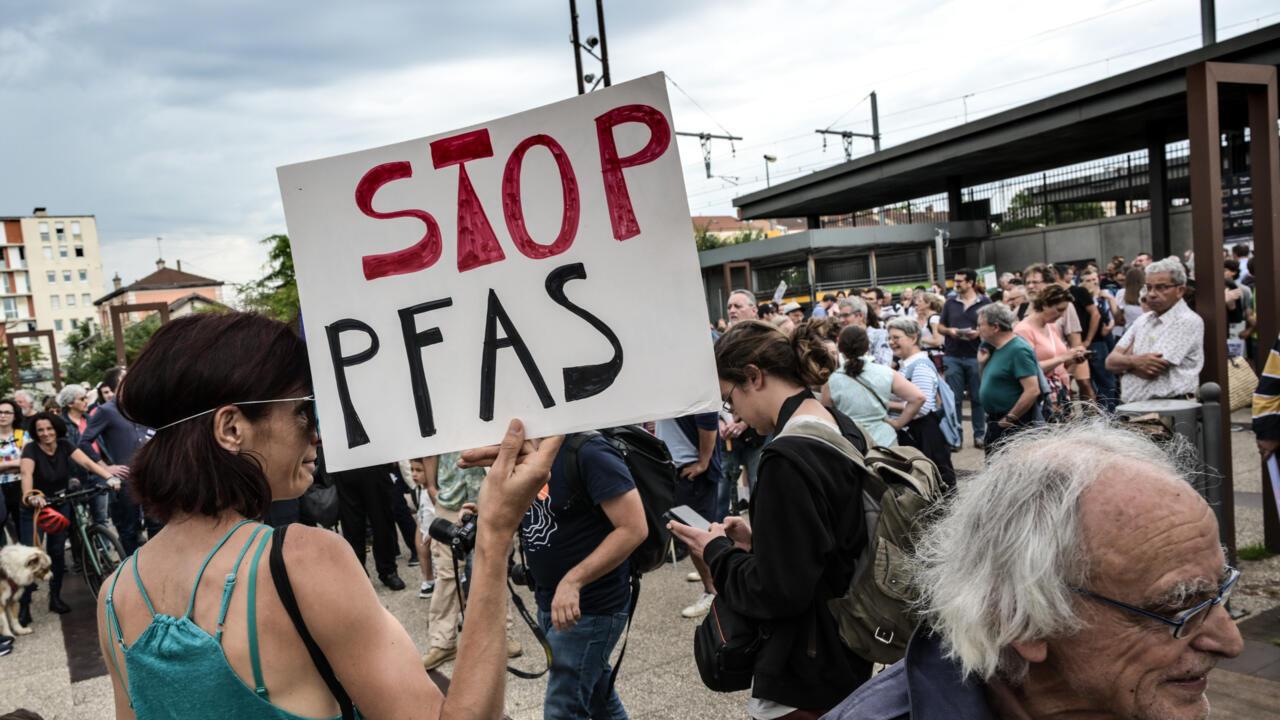
France has taken a pioneering step in environmental regulation by officially banning the use of so-called “forever chemicals” in the fashion industry. This landmark decision targets per- and polyfluoroalkyl substances (PFAS), widely used in textiles for their water- and stain-resistant properties, but notorious for their persistence in the environment and potential health risks. As one of the first major economies to implement such a comprehensive restriction, France’s move signals a significant shift in how the global fashion sector must approach sustainability and chemical management. This article explores the implications of France’s ban for fashion brands, manufacturers, and consumers, and what this could mean for the future of sustainable apparel worldwide.
France’s Regulatory Move Targets Perfluoroalkyl Substances in Fashion
France is taking a bold stance against the use of perfluoroalkyl substances (PFAS) in the fashion industry, setting a precedent for global sustainability efforts. The new regulation prohibits the use of these persistent chemicals, often dubbed “forever chemicals” due to their resistance to degradation, in textile production and manufacturing. This move specifically targets water, stain, and oil repellents commonly applied to outerwear and accessories, signaling a significant challenge for brands reliant on these treatments. The ban, effective immediately for new products, demands a swift transition toward safer alternatives, pushing designers and manufacturers to reassess their supply chains and innovate beyond traditional chemical solutions.
Key implications for the fashion sector include:
- Material reformulation: Increased R&D investments to develop PFAS-free fabrics that maintain performance without compromising style or durability.
- Supply chain transparency: Enhanced traceability to ensure compliance with the ban and avoid unintentional inclusion of restricted substances.
- Consumer impact: Rising awareness and demand for chemical-free, eco-friendly fashion products, aligning with broader environmental values.
| Aspect | Before Ban | After Ban |
|---|---|---|
| Use of PFAS | Common in outerwear | Prohibited in all textiles |
| Market Impact | Minimal regulatory pressure | Accelerated innovation & transparency |
| Consumer Awareness | Moderate | Significantly heightened |
Implications for Textile Innovation and Sustainable Material Sourcing
The fashion industry is poised for a significant shift as it navigates the complexities posed by France’s pioneering legislation targeting PFAS, commonly known as forever chemicals. This move compels designers and manufacturers to accelerate research into alternative materials that uphold performance standards while ensuring environmental safety. The challenge lies in sourcing sustainable inputs that do not compromise on durability, water resistance, or fire retardancy—features traditionally achieved with PFAS. Consequently, innovation hubs and textile startups are likely to gain momentum, focusing on bio-based finishes, advanced polymer blends, and novel water-repellent technologies derived from natural compounds.
In response, brands are increasingly collaborating with chemical innovators and supply chains to develop and verify new materials through rigorous testing protocols. This emerging landscape emphasizes transparency and traceability, with key factors shaping the future textile ecosystem including:
- Material transparency: Clear labeling and certification on chemical contents.
- Supplier partnerships: Engaging with material scientists and eco-conscious mills.
- Lifecycle analysis: Evaluating environmental impact from production to end-of-life.
- Innovation funding: Grants and incentives to explore sustainable alternatives.
| Innovation Focus | Sustainability Benefit | Example |
|---|---|---|
| Bio-based coatings | Reduced toxicity and biodegradability | Algae-derived finishes |
| Recycled fibers | Lower carbon footprint | Upcycled polyester |
| Enzymatic treatments | Non-toxic processing | Water-saving dyeing |
Challenges and Opportunities for Brands Navigating Compliance
Brands face an intricate landscape as they adjust to France’s sweeping regulations targeting the use of PFAS—commonly known as forever chemicals—in fashion. Compliance is not just a legal necessity but a strategic challenge that demands significant operational shifts. Companies must re-engineer supply chains to eliminate restricted substances while maintaining performance standards and aesthetic appeal. This pivot offers an opportunity for innovation, spurring research into sustainable alternatives and greener production methods. Yet, smaller and mid-sized brands often grapple with resource constraints, making it harder to absorb the upfront costs associated with reformulation and testing.
On the flip side, strict regulatory frameworks could catalyze brand differentiation and consumer loyalty by championing transparency and environmental responsibility. Early adopters positioning themselves as pioneers in the “chemical-free” movement stand to capture the growing demographic of eco-conscious shoppers. The evolving landscape also encourages collaboration across the industry—brands, suppliers, and policymakers must work in tandem to share data, develop compliant materials, and set uniform standards to ensure a level playing field. Key compliance considerations include:
- Rigorous Testing: Implementing regular and comprehensive chemical screenings across product lines.
- Supplier Audits: Ensuring transparency and adherence upstream to prevent hidden PFAS usage.
- Consumer Education: Communicating compliance efforts and benefits to build trust.
- Investment in R&D: Funding innovation for safe material alternatives that do not compromise fashion quality.
| Challenge | Opportunity |
|---|---|
| High reformulation costs | Innovation in sustainable textiles |
| Complex supply chain monitoring | Enhanced brand transparency |
| Potential product delays | Stronger consumer trust |
| Regulatory uncertainty across markets | Globally aligned chemical standards |
Strategies for Integrating Eco-Friendly Alternatives in Product Lines
Brands are increasingly exploring innovative materials such as bio-based fabrics and recycled fibers to replace per- and polyfluoroalkyl substances (PFAS) traditionally used for water and stain resistance. Collaborations with start-ups specializing in sustainable textile technologies are accelerating product development cycles, enabling fashion companies to meet stringent French regulations without compromising on performance or aesthetics. Moreover, investing in research on natural repellents, like waxes derived from plant sources, is proving to be a viable alternative to chemical treatments, fostering a circular approach throughout the design and production stages.
Successful integration also demands reimagining supply chains and manufacturing processes to phase out hazardous substances swiftly. Brands are adopting comprehensive material screening protocols, reinforced by transparent supplier audits, to ensure compliance from the raw materials to final products. The table below outlines key strategic approaches utilized by fashion labels adapting to the ban:
| Strategy | Description | Benefits |
|---|---|---|
| Material Innovation | Development of PFAS-free, eco-friendly textiles | Improved sustainability, regulatory compliance |
| Supplier Transparency | Thorough audits and traceability of inputs | Risk mitigation, enhanced brand trust |
| Process Adjustment | Re-engineering manufacturing to avoid chemical use | Lower environmental impact, cost savings over time |
| Consumer Education | Informing purchasers about eco-friendly choices | Stronger customer engagement, market differentiation |
Insights and Conclusions
France’s ban on forever chemicals marks a significant turning point for the fashion industry, setting a precedent for stricter environmental regulations worldwide. As brands and manufacturers navigate the challenges of compliance, the move signals a growing commitment to sustainability and chemical transparency within fashion’s complex supply chains. The ultimate impact of this legislation will depend on how quickly the industry adapts and innovates, potentially reshaping production practices and consumer expectations in the years to come.