

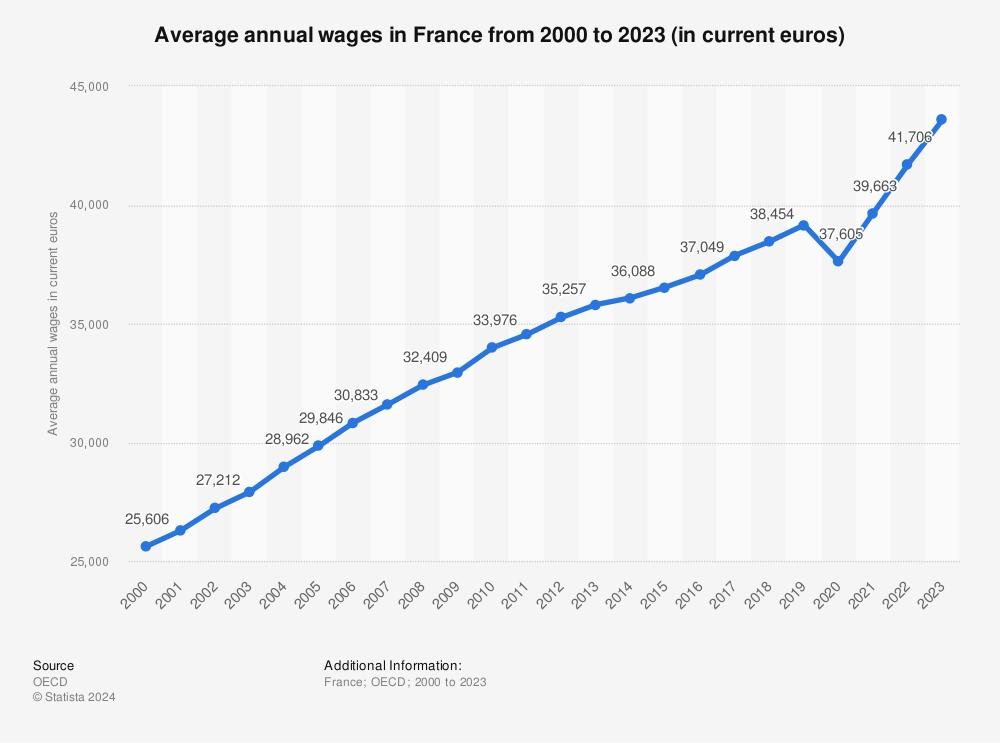
In a move that has sparked widespread discussion and debate, Michelin, the renowned French tire manufacturer, has taken a bold stance on what constitutes a “decent wage” in today’s economic climate. As the company recently announced plans to adjust its pay scales, it has ignited a contentious dialogue about the evolving standards of living and the responsibilities of corporations towards their employees. With labor markets shifting and inflationary pressures mounting, this issue resonates far beyond the automotive sector, inviting scrutiny from policymakers, labor advocates, and everyday workers alike. As France grapples with the complexities of fair compensation in the 21st century, Michelin’s decisions may well set a precedent that could reverberate across industries and borders. In this article, we delve into the implications of Michelin’s wage changes and explore the broader societal context that frames this pivotal debate.
Defining a Decent Wage in Today’s Labor Market
The definition of a decent wage has become increasingly complex in today’s labor market, where a variety of factors influence employee compensation beyond mere hourly rates. Many workers are demanding not just higher pay but also equitable benefits that account for the rising cost of living, inflation, and the crucial need for work-life balance. Organizations like Michelin are at the forefront of this debate, as they navigate the tension between shareholder expectations and employee needs. The following factors are often considered essential in defining a decent wage:
- Cost of Living: Adequate pay must reflect local living expenses, including housing, food, and healthcare.
- Job Type and Skill Level: Different roles require varying skill sets, justifying diverse compensation scales.
- Market Demand: Availability of jobs in specific sectors can heavily influence wage levels.
- Job Security and Benefits: Comprehensive health plans, retirement contributions, and paid leave are integral to overall compensation.
In light of these considerations, companies find themselves under increasing scrutiny regarding their wage policies. To further unpack this dilemma, a comparative overview of recent wage adjustments across sectors reveals significant disparities and highlights ongoing debates about fair compensation. The following table outlines notable companies and their approaches to wage standards:
| Company | Sector | Minimum Wage Offered | Notable Benefits |
|---|---|---|---|
| Michelin | Manufacturing | €13/hour | Health insurance, 401(k) |
| Air France | Aerospace | €15/hour | Free flights, health benefits |
| Danone | Food Production | €14/hour | Childcare support, flexible hours |
Michelin’s Controversial Wage Policy and Its Impact on Workers
The recent wage policy introduced by Michelin has ignited significant debate across various sectors, particularly among labor advocates and economists. With the announcement of wage increases that critics believe fall short of truly supporting workers, the company has found itself at the center of a storm. Many employees argue that while raises are welcome, they do not adequately address the rising cost of living, particularly in urban areas where inflation has dramatically outpaced wage growth. The disparity between corporate profits and employee compensation has led to accusations of prioritizing shareholder interests over worker welfare.
Experts are calling for a reevaluation of what constitutes a ‘decent wage’ in today’s economic climate. Key points of contention include:
- Living Wage Standards: Advocates argue that a living wage should not just cover basic needs, but also allow for savings and leisure.
- Profit Sharing: The idea of profit-sharing plans is gaining traction as a means to align worker compensation with company success.
- Comparative Analysis: Critics suggest comparing Michelin’s wages with those of similar corporations in the industry to highlight discrepancies.
In response to the backlash, Michelin has stated that they are committed to ongoing evaluations of their wage structures to ensure they remain competitive and fair. However, workers voice skepticism, feeling that the company’s assurances have not translated into the tangible gains necessary for their well-being. This ongoing dialogue raises pivotal questions about corporate responsibility and the definition of fairness in employee compensation.
Balancing Profitability and Employee Satisfaction in France
The recent discussions surrounding Michelin’s approach to wages highlight an ongoing tension between profitability and employee satisfaction. As businesses aim for financial growth, they must also consider how wage policies affect their workforce. Michelin’s proposal to increase wages has sparked debate among economists and labor advocates about what constitutes a “decent wage.” Stakeholders emphasize that fair compensation can significantly enhance employee morale, retention, and productivity. A considered wage policy might not only fulfill legal obligations but also reflect the company’s commitment to its employees and their well-being.
In this context, companies may benefit from implementing strategies that ensure both a healthy bottom line and a motivated workforce. Some of these strategies include:
- Transparent Communication: Maintain open dialogue with employees about financial goals and how wage decisions are made.
- Benchmarking Wages: Regularly assess pay scales against industry standards to ensure competitiveness.
- Flexible Benefits: Provide additional benefits such as wellness programs, which can enhance job satisfaction without significantly raising costs.
| Aspect | Employee Benefits | Company Outcomes |
|---|---|---|
| Wage Increases | Higher morale | Improved retention rates |
| Enhanced Benefits | Better work-life balance | Increased productivity |
| Workplace Flexibility | Job satisfaction | Lower turnover costs |
Strategies for Establishing Fair Wages in Competitive Industries
Establishing fair wages in competitive industries requires a multifaceted approach that balances profitability with equitable compensation. Companies can start by conducting thorough market research to understand the wage standards prevalent within their sector, ensuring employee salaries are not just compliant but competitive. Incorporating stakeholder consultations can also enhance transparency, fostering inclusivity in wage determinations. Moreover, businesses can implement the following strategies to promote fair wages:
- Benchmarking Compensation: Regularly compare wages against industry standards and local living costs.
- Pay Adjustments: Implement performance-based pay increases to reward employee contributions.
- Profit Sharing: Consider profit-sharing models that allow employees to benefit directly from the company’s financial successes.
- Employee Feedback: Create channels for employees to voice their concerns regarding wages, enhancing their sense of equity.
Additionally, companies may benefit from leveraging technology to monitor wage patterns and discrepancies. Utilizing apps and platforms that track industry wages in real-time can empower businesses to make informed adjustments promptly. A structured approach to wage increases, encapsulated in transparent company policies, will not only ensure fair compensation but also strengthen employee morale and retention. This brings us to the importance of establishing a framework for sustainable wage practices:
| Strategy | Expected Outcome |
|---|---|
| Regular Wage Audits | Identification of wage gaps |
| Living Wage Initiatives | Improved employee satisfaction |
| Training and Development Programs | Enhanced skill sets and productivity |
| Transparent Communication | Increased trust in leadership |
Insights and Conclusions
In conclusion, the debate surrounding what constitutes a “decent wage” has been reignited by Michelin’s recent actions and labor policies in France. As the company navigates the complexities of fair compensation amidst rising costs and economic pressures, it raises crucial questions about the broader implications for workers across industries. With labor movements gaining momentum and public scrutiny on corporate practices intensifying, the discourse around living wages is more pertinent than ever. As policymakers, businesses, and employees engage in this vital conversation, the stakes are high—ensuring that the definition of a decent wage reflects not only the needs of workers but also the values of a society committed to equity and sustainability. As the situation unfolds, the outcomes of this debate could set significant precedents for labor relations in France and beyond.


![[Interview] France school protests go deeper than rioting or reactionism, says Sciences Po lecturer – EUobserver](https://news-france.info/wp-content/uploads/2026/10/72634-interview-france-school-protests-go-deeper-than-rioting-or-reactionism-says-sciences-po-lecturer-euobserver-450x319.jpg "France School Protests Uncover Deeper Social Struggles Beyond Riots and Reactionism, Expert Says")