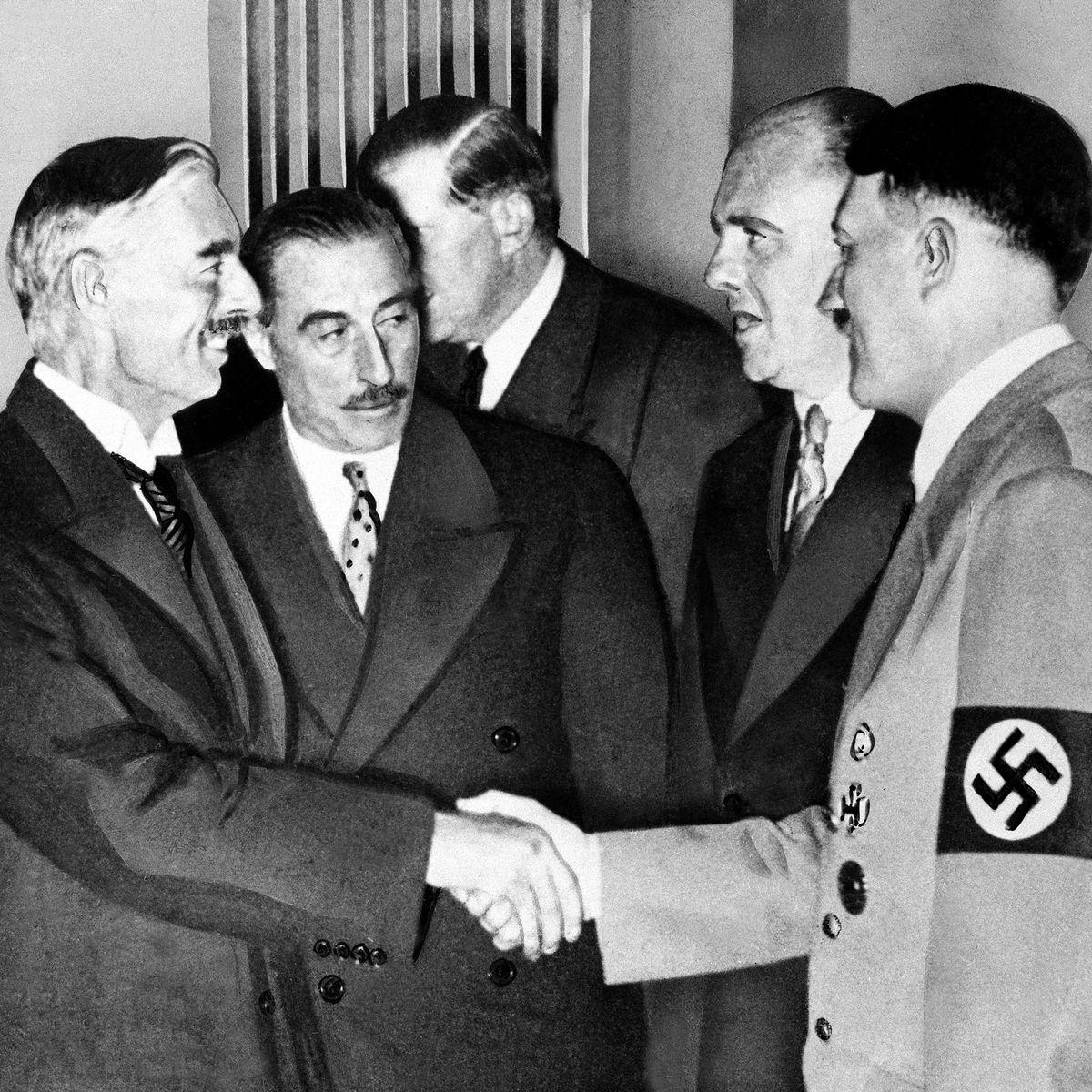
Appeasement and ‘Peace for Our Time’: A Reflection at The National WWII Museum
In a world increasingly marked by conflict and geopolitical tension, the echoes of history resonate powerfully. The National WWII Museum in New Orleans is delving into a pivotal moment that shaped the course of the 20th century: the policy of appeasement and the infamous pronouncement of “peace for our time.” As nations grapple with the lessons of the past, this exhibition offers a critical examination of how attempts to placate aggressive powers can lead to devastating consequences. Through artifacts, narratives, and expert insights, visitors will explore the tension between diplomacy and resolve, and reflect on the enduring relevance of historical decisions in today’s global landscape. Join us as we uncover the complexities of a strategy that aimed to preserve peace but ultimately precipitated a world at war.
Understanding the Dangers of Appeasement in Pre-WWII Diplomacy
The policy of appeasement, particularly exemplified by the Munich Agreement of 1938, has been widely criticized for its failure to curb the aggressive ambitions of totalitarian regimes. Leaders like British Prime Minister Neville Chamberlain viewed concessions as a viable means to secure peace, famously declaring that he had achieved “peace for our time.” However, this short-sighted approach ultimately encouraged further expansionism from dictators such as Adolf Hitler, who interpreted these gestures as signs of weakness. By placing immediate stability over long-term strategies, Western leaders inadvertently sowed the seeds for a larger conflict, undermining diplomatic efforts that aimed for a more durable peace.
Moreover, the consequences of appeasement extended beyond mere territorial concessions. They fundamentally altered the power dynamics in Europe and emboldened totalitarian regimes. To grasp these implications, one might consider the following factors that characterized pre-WWII diplomacy:
| Factor | Impact |
|---|---|
| Militarization | Accelerated arms race and military planning. |
| Public Sentiment | Increased support for peace at all costs. |
| International Alliances | Weakening of collective security arrangements. |
| Trust in Diplomacy | Erosion of confidence in diplomatic solutions. |
As history has shown, appeasement did not yield the expected dividend of peace but rather paved the way for a more significant confrontation. With totalitarian regimes emboldened, countries like Britain and France found themselves facing a reality far more grim than any diplomatic victory could hope to secure. The lessons learned from this era continue to resonate today, serving as a profound cautionary tale about the complexities of diplomacy and the consequences of yielding to unchecked aggression.
Analyzing the Legacy of Chamberlain’s ‘Peace for Our Time’ Speech
The impact of Neville Chamberlain’s proclamation in 1938 that he had secured “peace for our time” has reverberated throughout history, serving as a focal point for discussions surrounding appeasement and diplomacy in the face of aggression. This declaration followed his return from Munich, where he and other European leaders had acquiesced to Adolf Hitler’s demands regarding Sudetenland, a strategy meant to avoid war. Analysts note that Chamberlain’s speech, while calamitously optimistic, laid a foundation for examining the moral ambiguities of diplomatic engagement. In retrospect, it raises crucial questions about the efficacy of compromising with totalitarian regimes, ultimately posing the dilemma of whether peace can ever be genuinely achieved through concession.
Chamberlain’s legacy, however, is complex and invokes contrasting interpretations even today. Advocates of appeasement argue that it delayed the inevitable conflict and allowed Britain time to prepare for war, while critics label it as a disastrous miscalculation that emboldened Hitler. The consequences of this approach are starkly illustrated in the following table that juxtaposes the perceived benefits against the harsh realities of subsequent events:
| Perceived Benefits | Harsh Realities |
|---|---|
| Time for military rearmament | Increased aggression from Nazi Germany |
| Avoidance of immediate conflict | Failed to prevent WWII |
| Initial public support | Long-term skepticism about appeasement strategy |
Today, the speech serves as a stark reminder of the perilous balance between diplomacy and the moral imperatives of standing firm against tyranny. The concept of “peace for our time” highlights the constant struggle between short-term stability and the long-term implications of yielding to aggression—a relevant theme as modern leaders grapple with similar choices in volatile geopolitical landscapes.
Exploring the Lessons from History: Implications for Modern Conflict Resolution
Examining the era of appeasement prior to World War II reveals critical lessons for contemporary conflict resolution. Appeasement, often characterized by the concession to aggressive powers like Nazi Germany, illustrates the risks of delaying confrontation in hopes of maintaining peace. The infamous Munich Agreement of 1938, in which Britain and France agreed to Hitler’s demands, serves as a stark reminder that yielding to pressure can ultimately compromise national security and embolden aggressors. The fallout from such decisions has transcended generations, prompting current policymakers to reassess the balance between diplomacy and deterrence when faced with similar global tensions.
In today’s multifaceted conflicts, the appeal of diplomatic agreements must be tempered by the lessons learned from history. Achieving lasting peace requires a robust understanding of the motivations behind aggressive actions. The implications for modern diplomacy are profound, urging leaders to consider the following strategies:
- Staying vigilant against the resurgence of authoritarian regimes.
- Implementing credible deterrence to discourage future aggression.
- Encouraging collaboration among allied nations to present a united front.
- Prioritizing transparent communication to build trust and reduce miscalculations.
Innovative approaches rooted in historical understanding may pave the way for sustainable conflict resolution and a safer global landscape.
Visiting the National WWII Museum: A Journey Through Critical Historical Events
Stepping into the National WWII Museum in New Orleans offers an immersive experience that encapsulates the urgency and complexity of global conflict. Visitors are first greeted with displays that trace the intricate web of political decisions leading to World War II. Key moments, such as the Munich Agreement and the policy of appeasement, are explored through engaging multimedia presentations and carefully curated artifacts. Notable elements include:
- Historical Documents: Original letters and agreements from the 1930s.
- Interactive Exhibits: Simulations that allow visitors to explore the dilemmas faced by leaders of the time.
- Personal Stories: Accounts from soldiers and civilians impacted by the war, providing a human touch to historical facts.
The museum effectively portrays the ramifications of striving for “peace for our time,” illustrating how previous inactions and miscalculations set the stage for a global crisis. Furthermore, a detailed timeline showcases pivotal events leading to the outbreak of war, emphasizing crucial figures and their ideologies through a thoughtfully designed table:
| Event | Date | Significance |
|---|---|---|
| Munich Agreement | September 30, 1938 | Enabled Hitler’s expansionist policies. |
| Invasion of Poland | September 1, 1939 | Marked the start of WWII in Europe. |
Insights and Conclusions
As we reflect on the lessons of appeasement, encapsulated in the phrase “peace for our time,” the National WWII Museum serves as a vital reminder of the complexities and consequences of diplomatic choices. The historical narrative of the prelude to World War II underscores the importance of vigilance and the often delicate balance between negotiation and confrontation. As visitors engage with this pivotal chapter in history, they leave with a deeper understanding of how the pursuit of peace can sometimes lead down perilous paths. Ultimately, the museum not only honors the sacrifices of the past but also encourages a critical examination of contemporary geopolitical strategies, fostering a discourse on how we can navigate similar challenges in our own time. In a world where the echoes of history resonate loudly, the lessons of the past remain ever relevant.